The robot is the cheap part. What decides whether an inspection deployment earns its keep is the sensor package, the route, and what happens to the recordings.
- Pick the right round.
- Automating a round pays off when it is repetitive, frequent and dull, or when sending a person is expensive or unsafe: once a shift around a substation, a compressor house or a tank farm. Once a month does not, because the robot will be flat and out of date when you finally want it. Walk the route yourself first and time it, doors and gates included.
- Automate the dangerous rounds first.
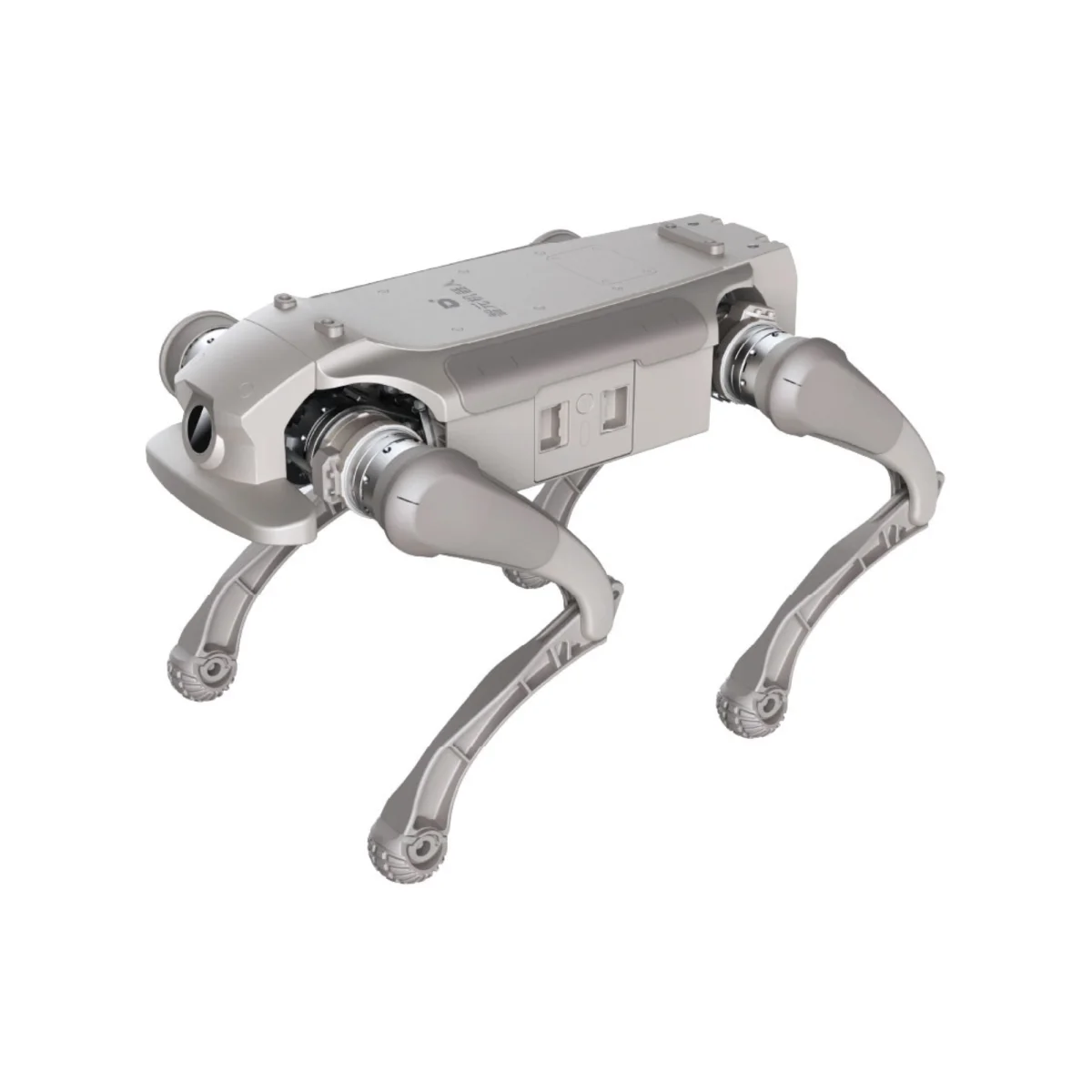
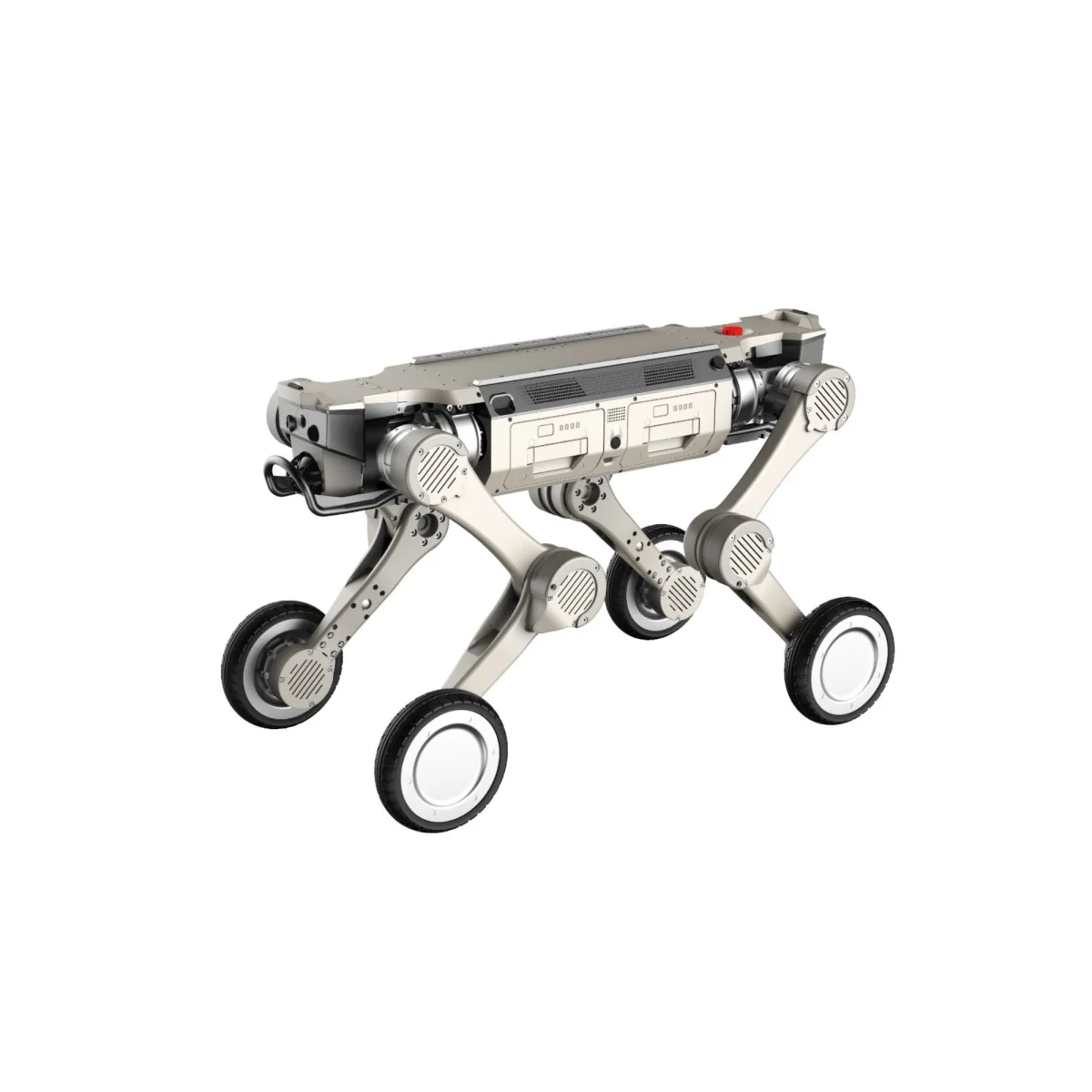
- A quadruped carries a gas detector, a thermal camera or an acoustic leak sensor. It walks a compressor house, a tank farm or a confined space and relays what it finds. A leak, an overheating bearing or a pocket of combustible gas is caught before a person stands next to it. This is where robot dogs earned their place first. Oil and gas sites, refineries and carbon-storage plants run them on the rounds that are hazardous, not just repetitive. The D1 is the platform for that work. The hazard sensor is a payload you pick for the specific risk. Its IP54 rating is dust and splash resistance. It inspects a fire-risk or contaminated zone; it does not wade through standing water or stand in flame.
- Someone has to read what it finds.
- This is where inspection projects quietly fail. A robot that walks a perfect round and drops 400 images a day into a folder nobody opens has automated the walking and left the inspecting undone. Agree up front what raises a ticket, where the ticket lands, and who reads it.
- A camera on the move means people.
- It will capture staff, so settle early how long footage is kept, who can see it, and what your works council has been told. This is easy to design in and awkward to discover later.