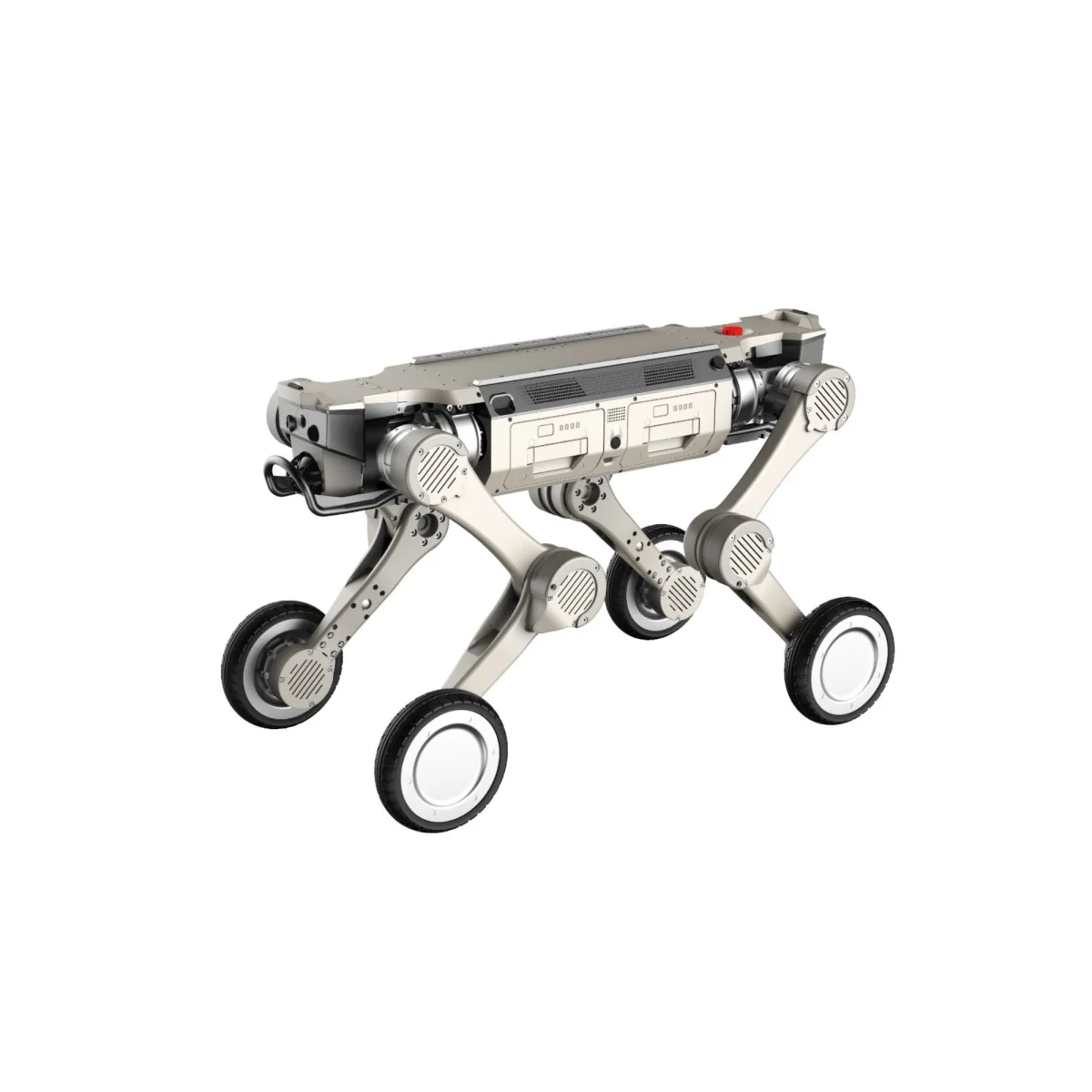
What it does
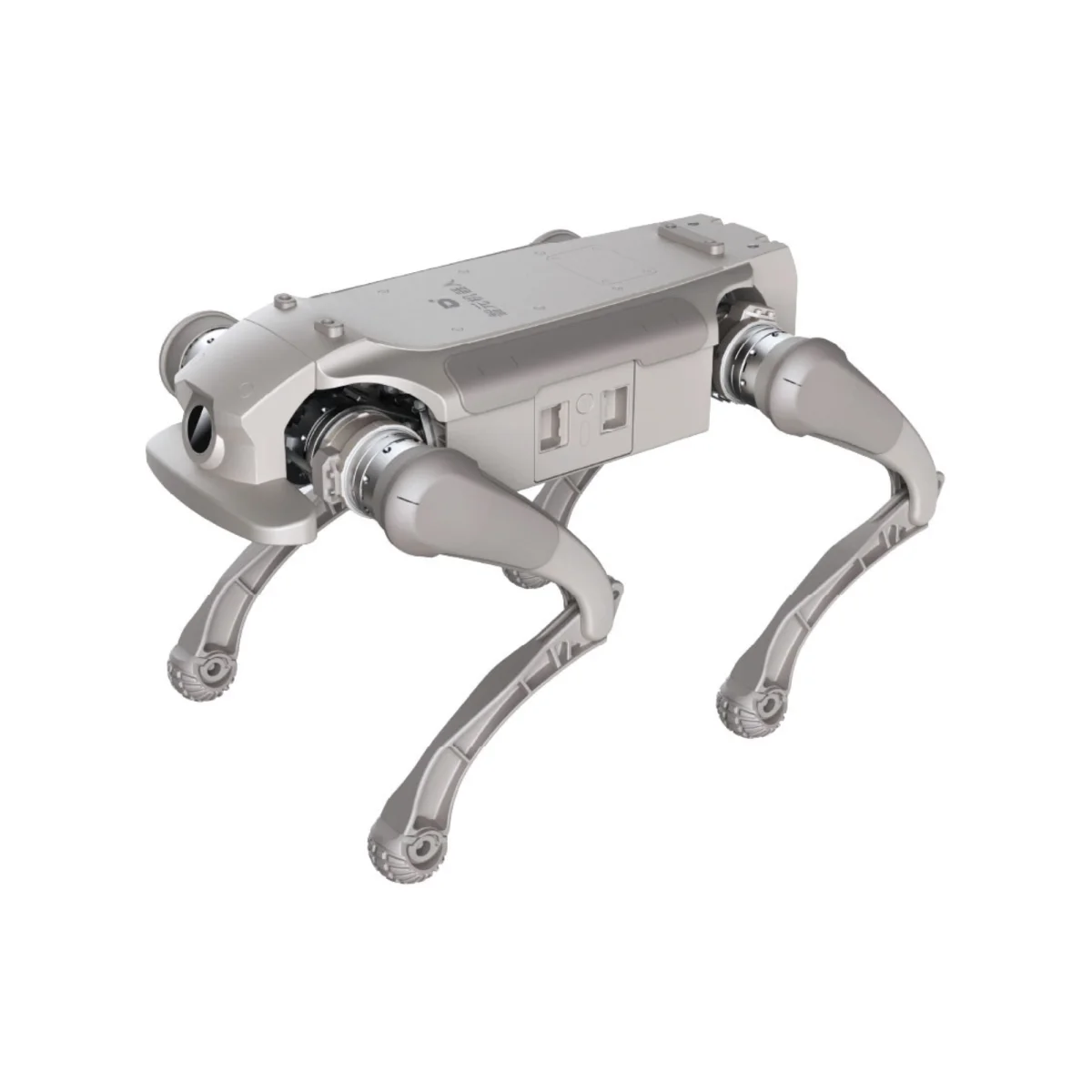
Photography and published figures from AGIBOT, the manufacturer of this model.
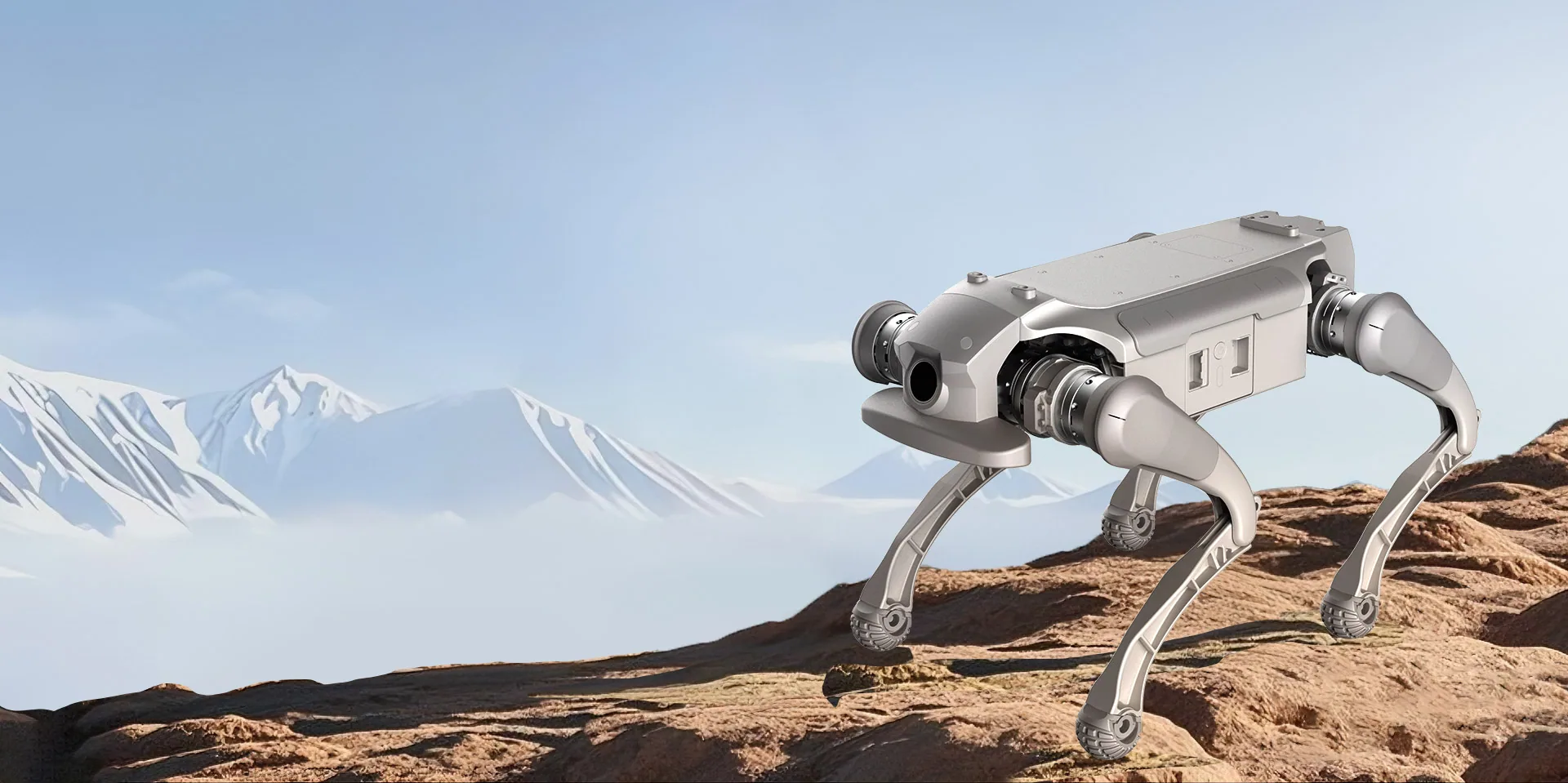
Learned gait for rough ground
Reinforcement-learning gait control self-balances and rejects disturbance. It runs to 3.7 m/s and takes 30-degree slopes, 40 at the extreme.
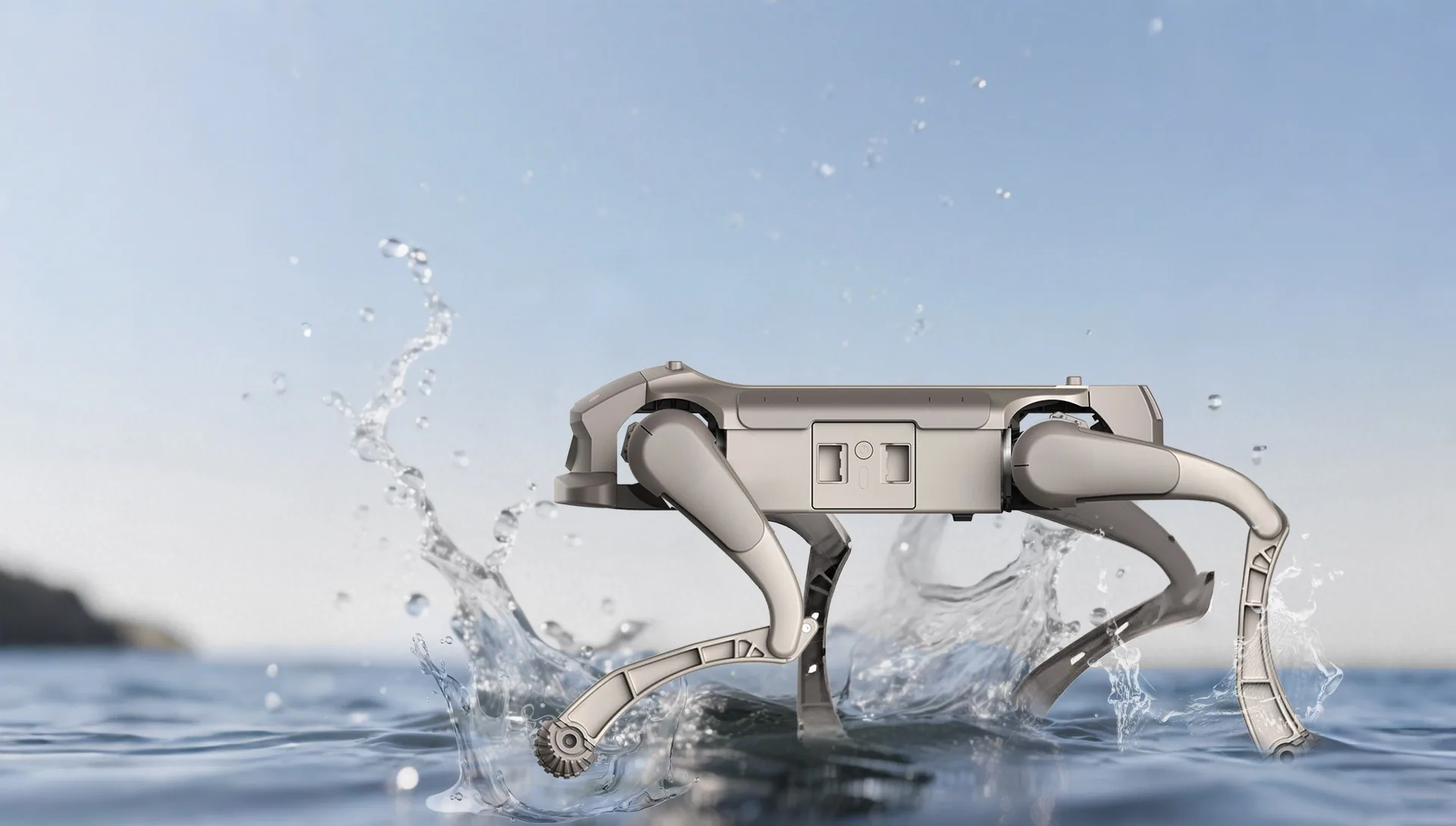
Sealed against dust and water
Aluminium alloy with high-strength engineering plastic, sealed and anti-corrosion treated on the core components against splashing, damp, mud and sand.
Standard mounting interfaces
Standardised interfaces carry LiDAR, depth cameras, RTK and 4G/5G modules, with an open SDK for secondary development.
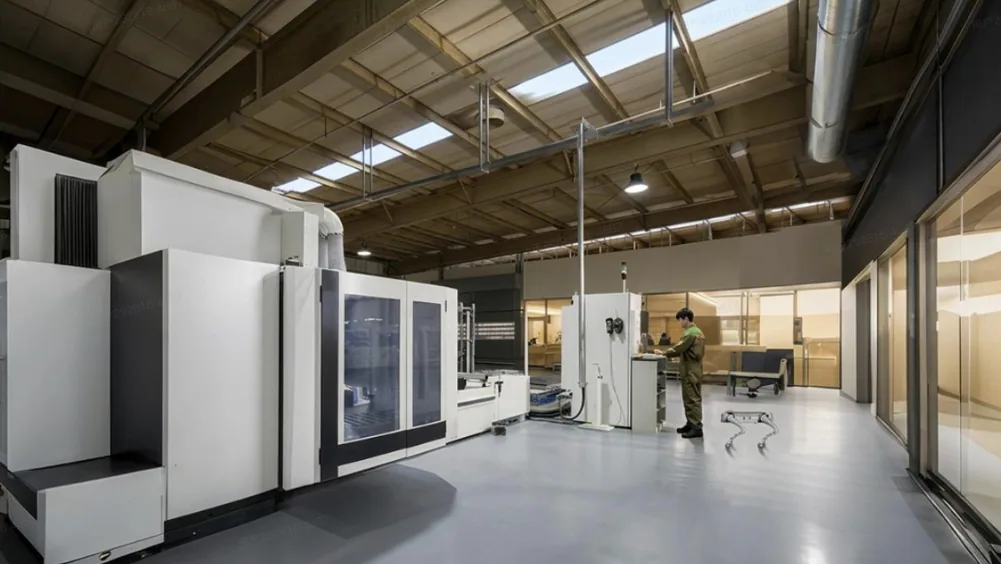
Patrol and plant inspection
Built for routes that have to be walked the same way every time, in places where sending a person is slow or unsafe.
Research and teaching
URDF models let the same robot be tested in Isaac Sim and MuJoCo before it moves anything in a real cell.
Shown in motion
Silent excerpts from footage published by AGIBOT, the manufacturer of this model. Each one shows something a still photograph cannot.
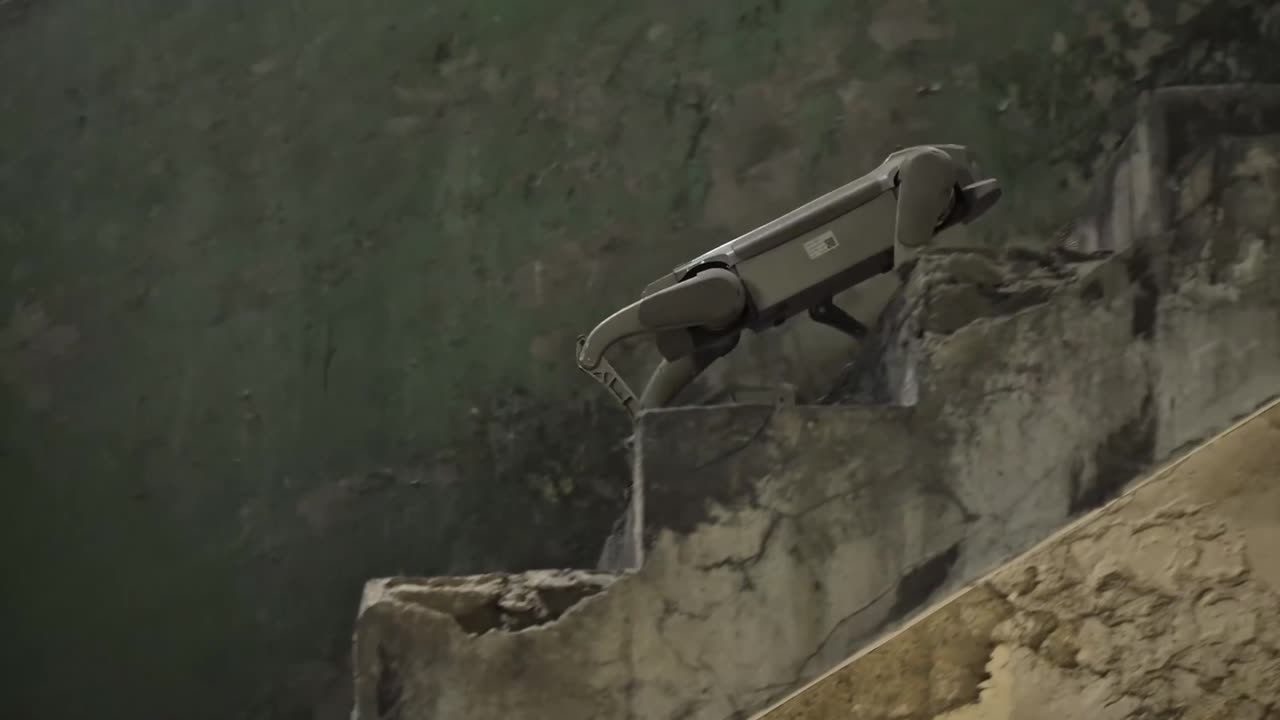
Down a broken stair
Twelve unbroken seconds on a damp concrete stairway with chipped treads and no rail to work against. Descent is the harder direction: the machine gives up height under control and puts each foot on an edge it cannot fully see. This is the sequence to watch if the site you have in mind has stairs rather than ramps.
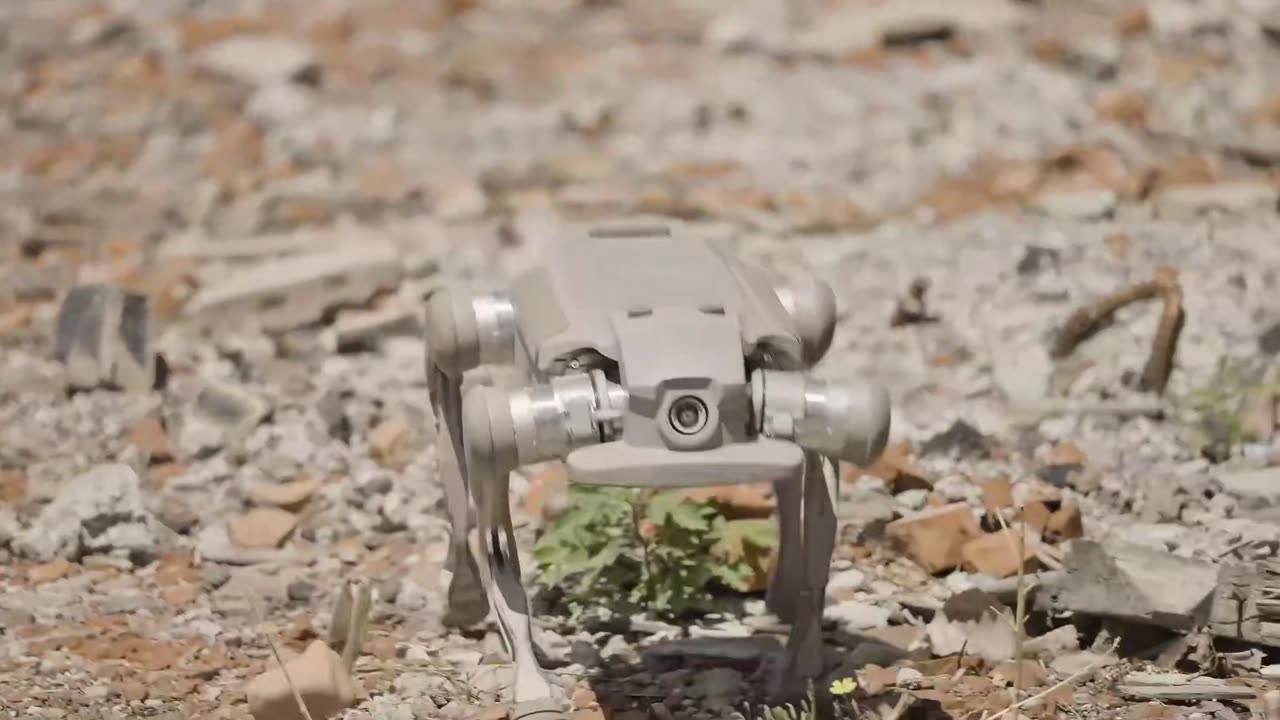
Scrub, then loose rock
The clip crosses a slope where the ground is hidden under vegetation, then cuts to loose rock where every footfall shifts. A slope figure describes ground that holds still. This is the other case, and it is most of what a real inspection route walks over.
Software and SDK
- Licence
- BSD-3-Clause
Permissive licence: you may build on this commercially, provided you keep the licence and notices. Verified against the repository, not a marketing page.
The variants, and what changes
These trims share the base platform, so the useful comparison is not the full parameter table repeated for each one but the rows where each one says something different. Where a variant is a mirror-image build with an identical specification, there is nothing to tabulate and we say so instead of inventing a difference.
Where these models differ. Rows every model states identically are left out.| Technical specification | AGIBOT D1 Ultra | AGIBOT D1 Pro | AGIBOT D1 EDU | AGIBOT D1 Ultra-W |
|---|
| Dimensions standing | 630 × 360 × 420 mm | 635 × 360 × 420 mm | 635 × 360 × 420 mm | 630 × 440 × 455 mm |
|---|
| Dimensions lying | 670 × 435 × 145 mm | 675 × 435 × 145 mm | 675 × 435 × 145 mm | 690 × 580 × 145 mm |
|---|
| Weight with battery | 16 kg | 15.5 kg | 15.5 kg | 20 kg |
|---|
| Range distance | 6 km | 6 km ± 1 km | 6 km ± 1 km | 9 km |
|---|
| Max speed | 3.7 m/s | 3.5 m/s | 3.5 m/s | 3.7 m/s |
|---|
| Effective payload | 5 kg | 5 kg | 5 kg | 10 kg |
|---|
| Max incline angle | 30° (up to 40° extreme) | 40° | 40° | 30° (standard, up to 40° max.) |
|---|
| Expansion ports | 1 × Ethernet, 2 × USB, 2 × power connector, 1 × SBUS, 1 × UART | Not equipped | Ethernet, USB, power connector, SBUS, UART | 1 × Ethernet, 2 × USB, 2 × power connector, 1 × SBUS, 1 × UART |
|---|
| Customer-side development | – | Not supported | Supported | – |
|---|
AGIBOT D1 Pro
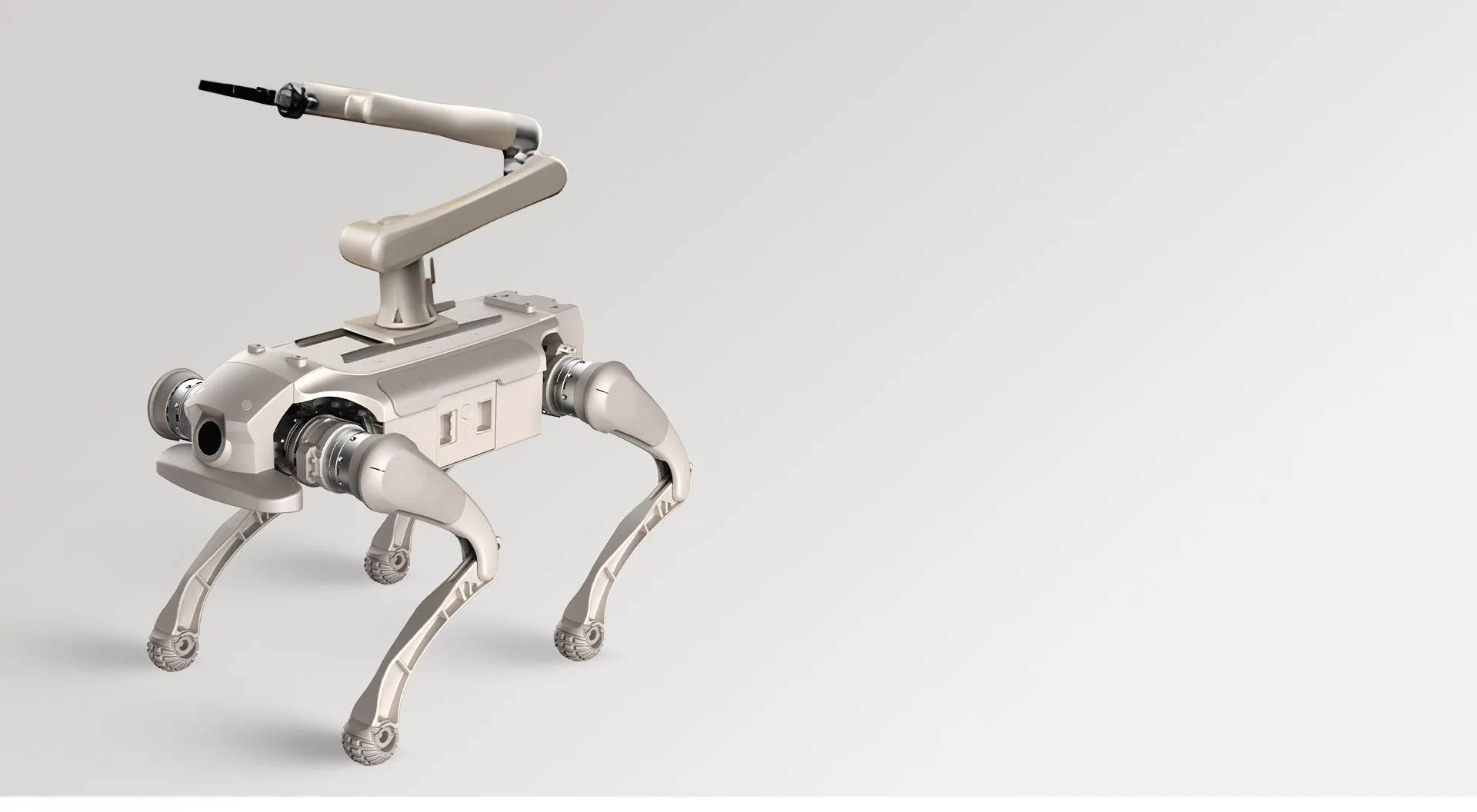
All-terrain quadruped for inspection and security patrol. Same 15.5 kg chassis as the D1 Edu, with a 5 kg payload, 6 km ± 1 km of range and a 3.5 m/s top speed, and it climbs a 16 cm step and a 40° slope at its limit. The one thing it does not do is run your code: secondary development is not supported and it has no expansion ports, so the sensor package is what the platform ships with. If you intend to write software on it, the D1 Edu is the same machine with those two rows reversed.
AGIBOT D1 EDU
The development version of the D1 Pro, and the reason to choose it is two rows in the parameter table: secondary development is supported, and it carries Ethernet, USB, power, SBUS and UART expansion ports. Everything mechanical is identical, so the published 15.5 kg, 5 kg payload, 6 km ± 1 km range, 3.5 m/s and 35 cm jump apply unchanged. The SDK is published on GitHub under BSD-3-Clause, which is permissive enough for a university group to build and publish on. Start here for teaching or research and keep the budget for sensors.
AGIBOT D1 Ultra-W
The wide-stance D1 Ultra, and the one to specify when the payload matters more than the footprint. It stands 630 × 440 × 455 mm against the standard 630 × 360 × 420 mm, weighs 20 kg rather than 16, and buys 10 kg of effective payload and 9 km of range where the standard trim publishes 5 kg and 6 km. Ingress protection is IP54 on both, so this is a capacity decision, not a weather one. Worth it when the sensor package is heavy or the round is long; unnecessary when a 5 kg payload already covers it, because the wider stance needs more room to turn.