

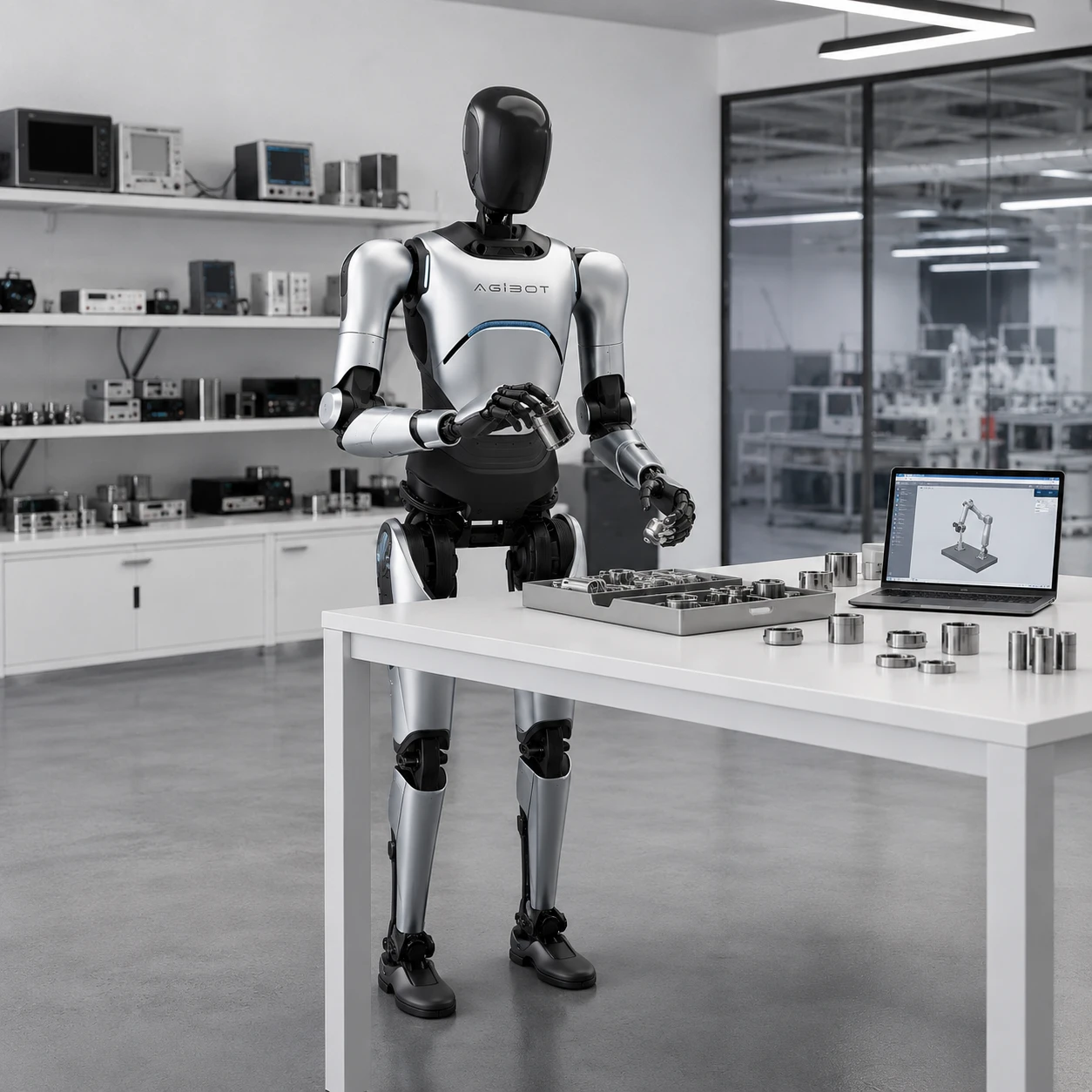
1-Day Pick & Place Workshop at Robotoplus
A one-day pick-and-place workshop at our premises, with the platforms set up and running so you can try the process before committing to hardware.
View detailsA day with a working robot tells you more than a month of evaluation documents.

A structured day with platforms set up and running, for teams evaluating the technology.
We bring a unit to your facility and work against your actual process.
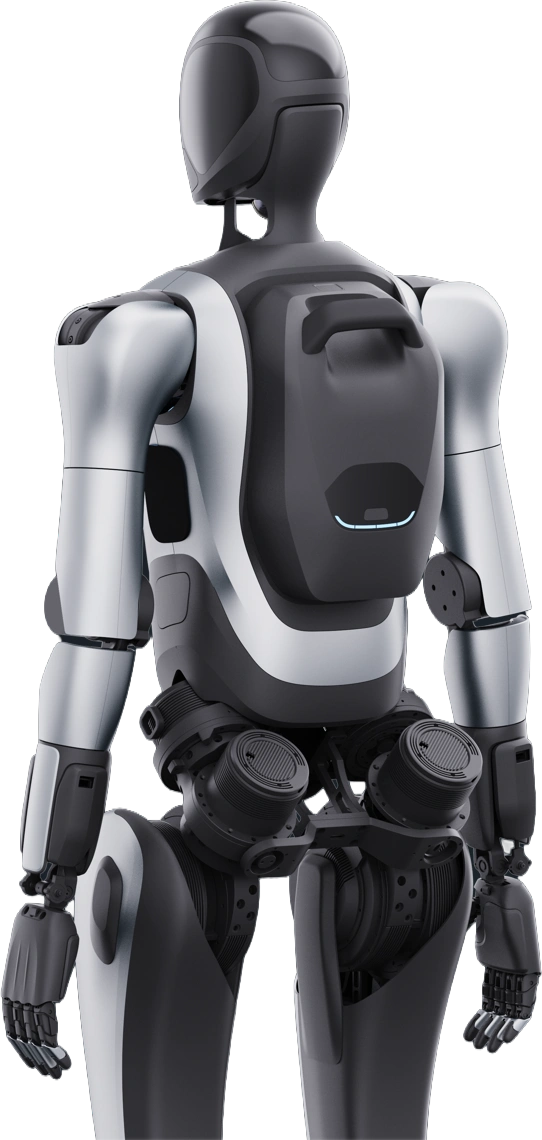
We pick the single operation the robot has to prove, and write down what counts as success before anything is booked. A proof of concept with three goals proves nothing, because there is no result you can act on.
We need the real parts, the real lighting and the real surface. A demonstration on clean geometry under good light tells you what the marketing already told you.
The platform runs the task in your environment, with your team watching and interrupting. Everything the robot gets wrong on the day is information you would otherwise have bought at production scale.
Cycle time, success rate over a run of attempts, and the failure modes with what caused each one. Numbers, not an impression of how it went.
One of three answers: proceed and here is the deployment scope, change the approach and here is what would need to be different, or do not automate this task. We have given all three.
A one-day pick-and-place workshop at our premises, with the platforms set up and running so you can try the process before committing to hardware.
View details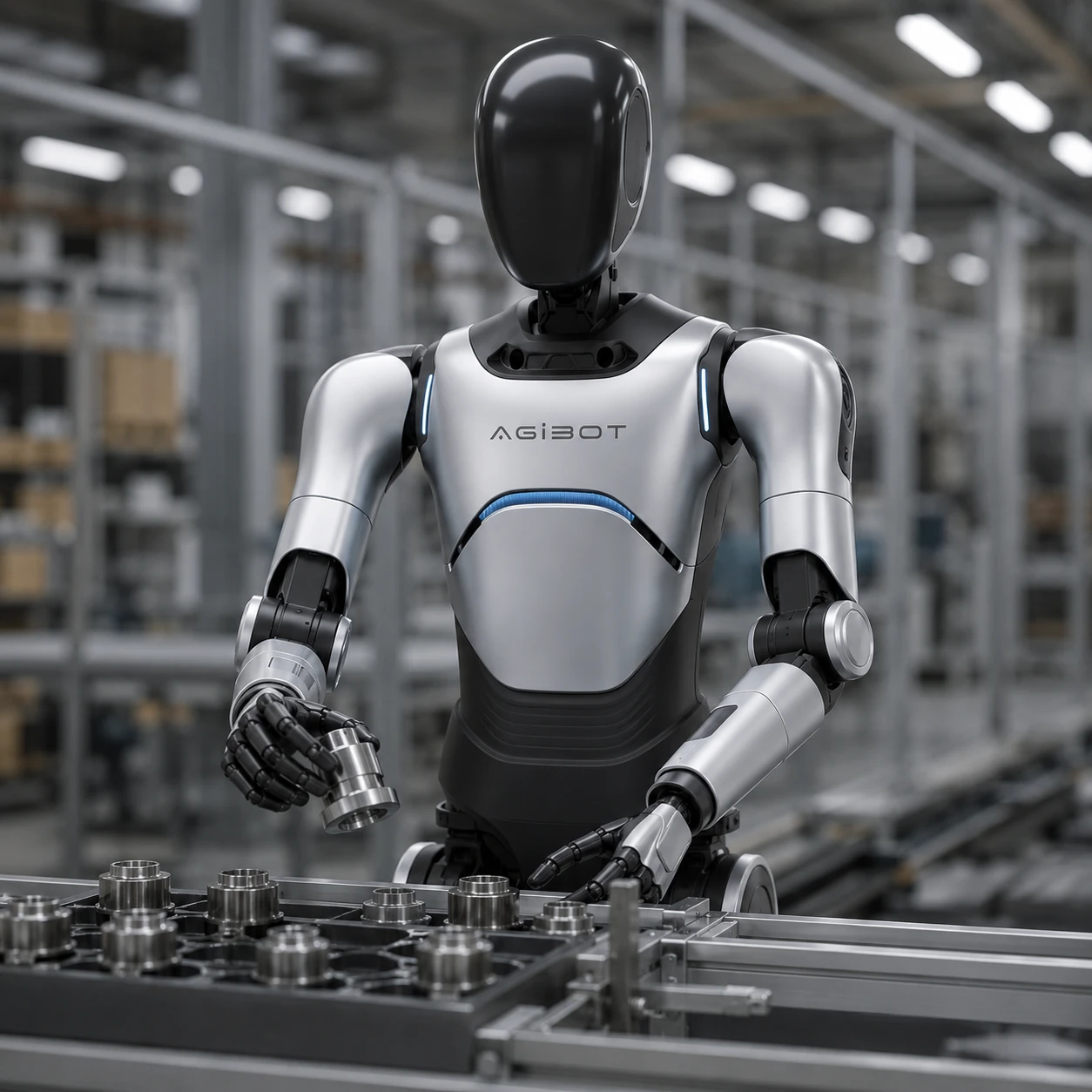
A one-day pick-and-place workshop at your site with a robot on the floor, so the team can test the process on the real parts and the real layout.
View details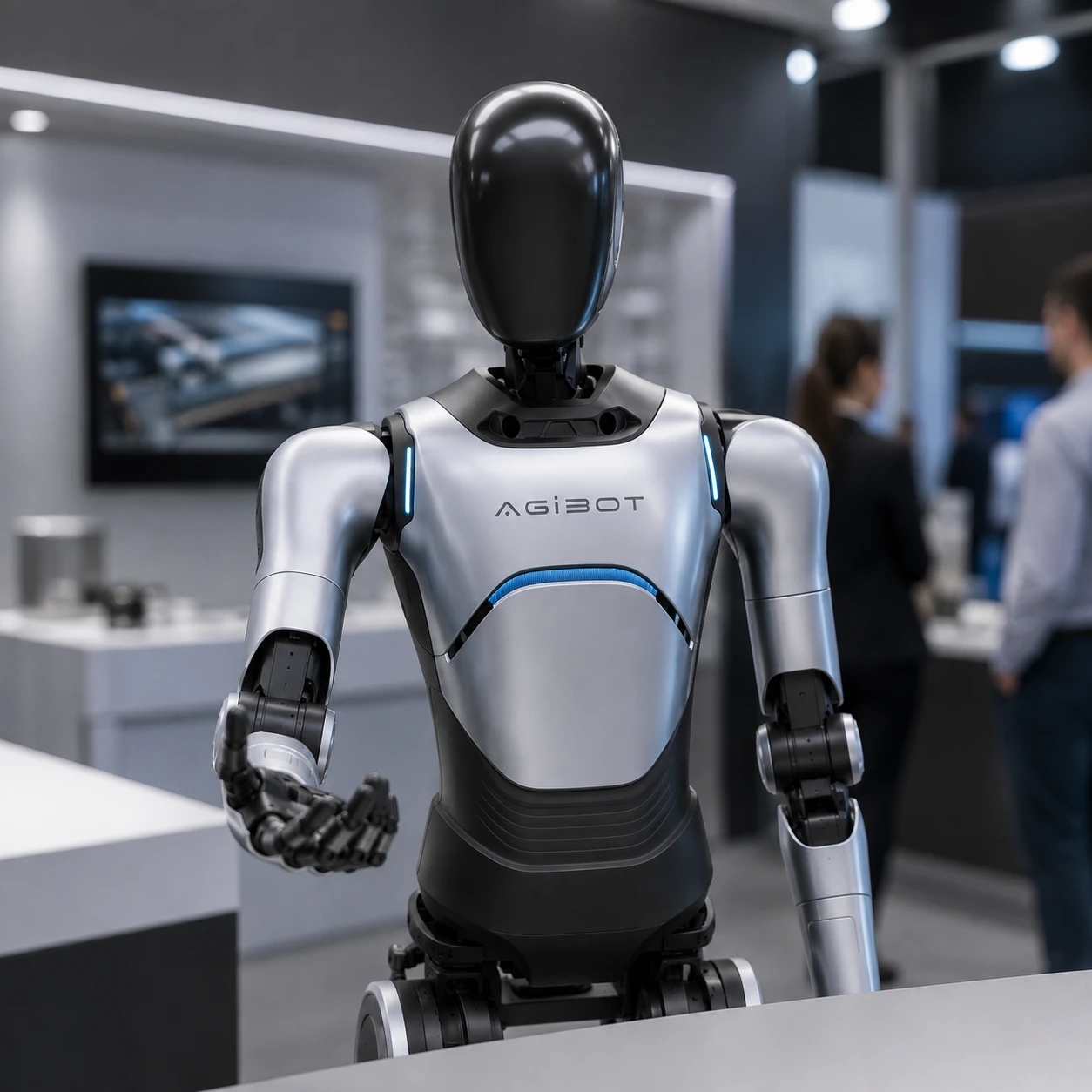
A one-day workshop at your site with a robot present, built around customer-facing use: presence, interaction and what an audience actually does.
View detailsPrices per workshop, net of VAT and of travel. For VAT registered businesses in another member state the reverse charge applies, so no VAT is invoiced. Otherwise VAT is added as required. We confirm the treatment in the quotation.
A workshop is for learning: your team spends a day operating a platform and understanding what the technology does and does not do. A proof of concept is for deciding: it targets one of your own processes and produces measured evidence about whether a robot can run it. Teams that are still forming an opinion should start with a workshop, because a proof of concept needs a specific question to answer.
Access to the area, the parts as they actually arrive rather than a selected sample, and someone who knows the process well enough to say when the robot is doing it wrong. Power and a table are usually the whole physical requirement. If the task needs a fixture or a change to the layout, we say so during scoping rather than discovering it on the day.
A written result: the measured numbers, the failure modes, the recommendation, and what a deployment would involve if the answer is yes. It is written to be read by the people who approve the spend, not only by the engineers who were in the room.
Then you have spent one day instead of a capital budget, and you know why. A negative result with a clear cause is a useful outcome and we report it as one. If the reason is a limitation we could have identified during scoping, that is on us and we will tell you that too.
We do not publish a figure, and the reason is in step one above: the scope is the single operation and the definition of success, agreed before anything is booked. Until that conversation has happened, a duration is a guess. Four things set it. Whether it is one operation or several, and one is the whole point. Whether the parts, the lighting and the surface already exist or have to be built. Whether the robot has to move through your space or can stand and work, because moving adds mapping and a navigation stack. And whether the software is already in our catalogue or has to be written. You can answer the first two today. Tell us the operation in the contact form and we will answer the other two, and give you a scope with a duration attached to it.