

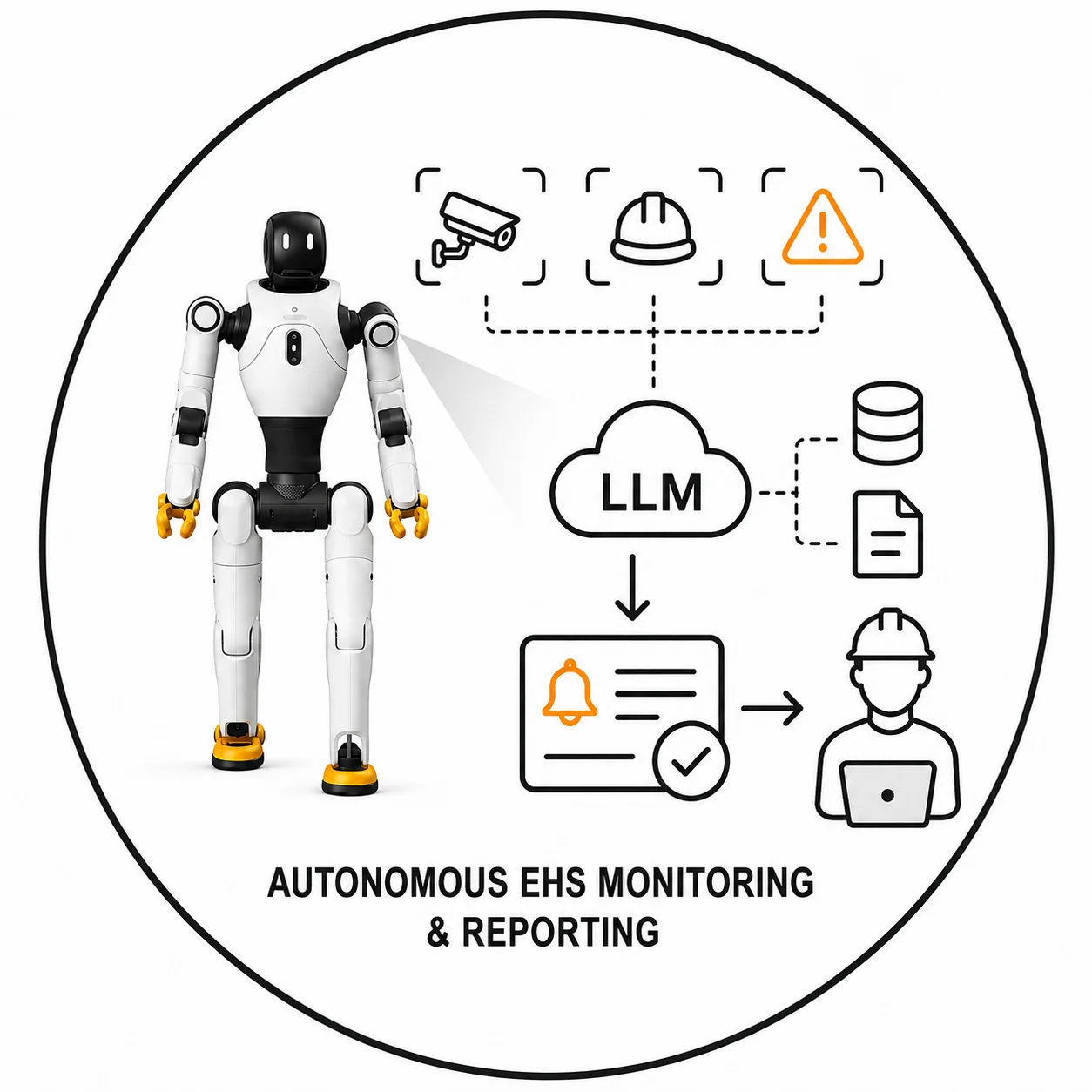
Autonomous EHS Monitoring Package (research project)
Autonomous environment, health and safety monitoring: the robot walks the route, records the readings and flags what changed. Run as a research project.
View detailsInspection and monitoring packages built on the platform's own sensor stack.
Autonomous environment, health and safety monitoring: the robot walks the route, records the readings and flags what changed. Run as a research project.
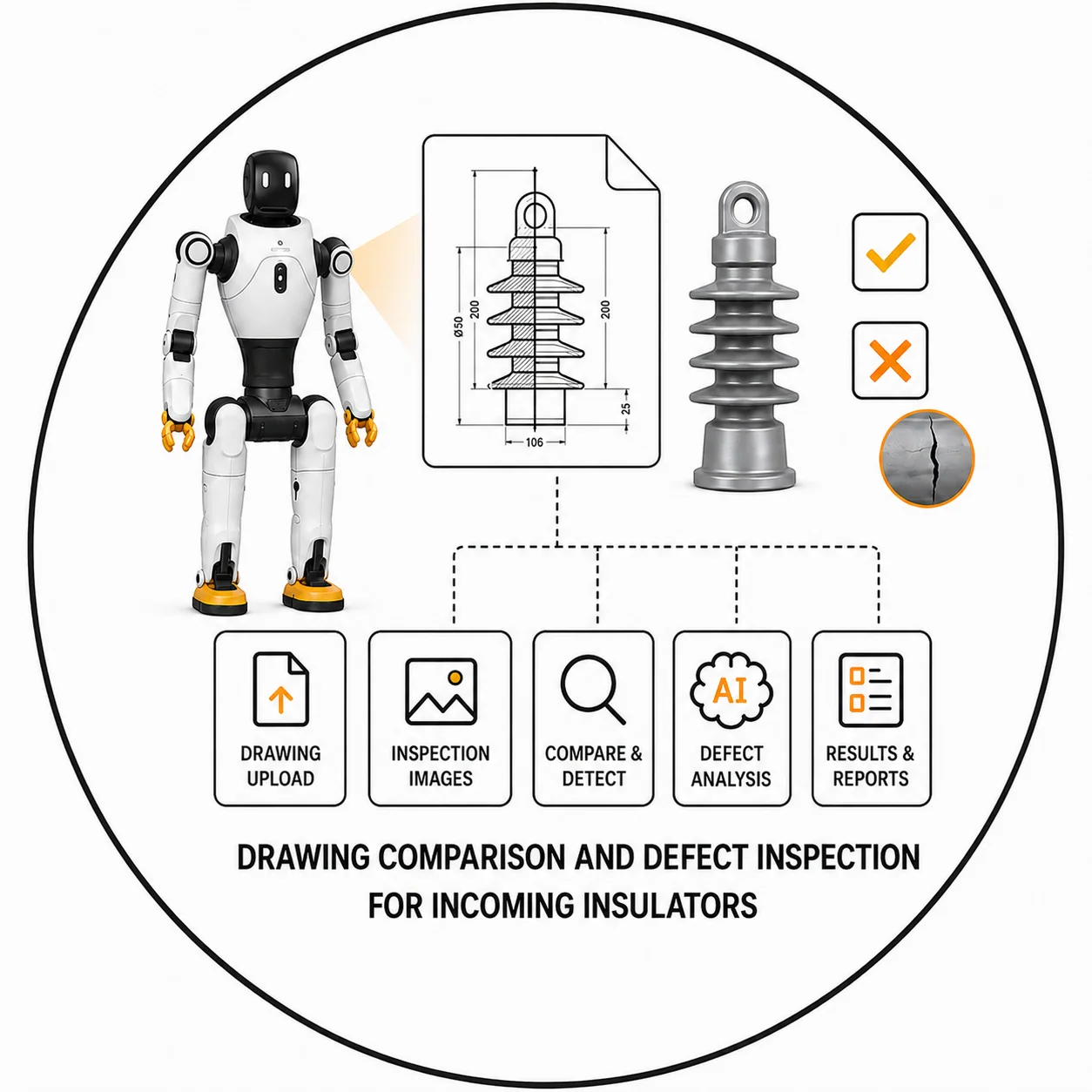
View detailsVision package that compares incoming insulators against the drawing and flags defects before they reach assembly. Delivered as a research project.
View detailsBoth items in this category are research projects. That is not a disclaimer added for safety, it is the commercial arrangement: they are billed on the engineering days actually spent rather than against a fixed scope, because neither problem has a known answer on your data until someone has looked at your data.
Neither of these is a safety function, and that distinction is the most important thing on this page.
Yes. Most platforms can be demonstrated on a working unit, and our humanoid robots, robot dogs and the cleaning robot are also available to rent for a trial on your own site.
See rental termsEvery supply includes commissioning, operator briefing and European service handling, with a 12 month warranty handled inside the EU. If a machine stops, a named engineer responds the same working day and works remotely first; on-site attendance is set in the service agreement. On-site engineering is 825 EUR per engineer per day within Europe, with travel and accommodation included. Remote engineering is quoted per request, as is work that runs past midnight or starts before 06:00. The figure here is indicative until we issue a written quotation.
For a standard configuration, allow 12 to 16 weeks from a firm order. A configuration built to order takes longer. The binding date is the one in your written quotation.