This is a facilities purchase before it is a robotics one: a machine that cleans a commercial floor on a schedule, then returns to its own station to recharge and to refill and drain its water without anyone attending it. Reach for one when the job is a repetitive floor that already needs cleaning every day, not a one-off.
- Size the machine to the floor, not the other way round.
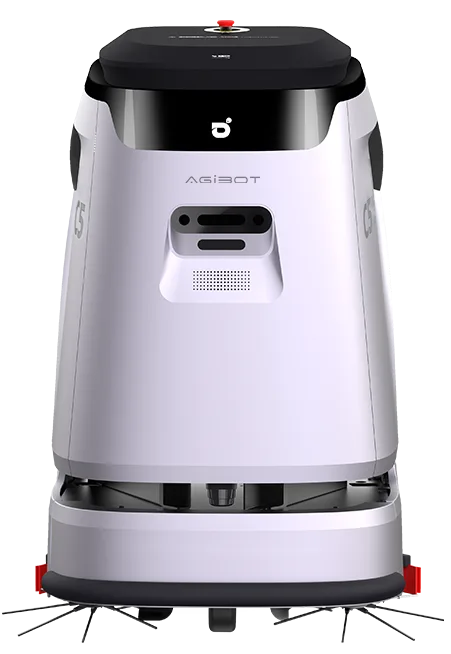
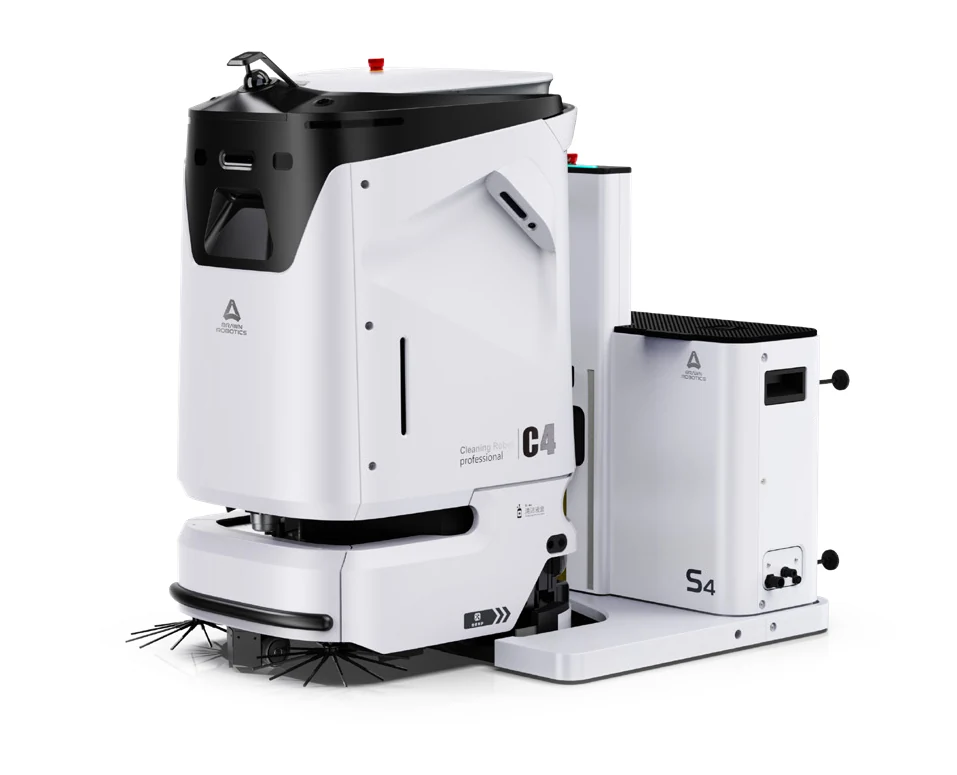
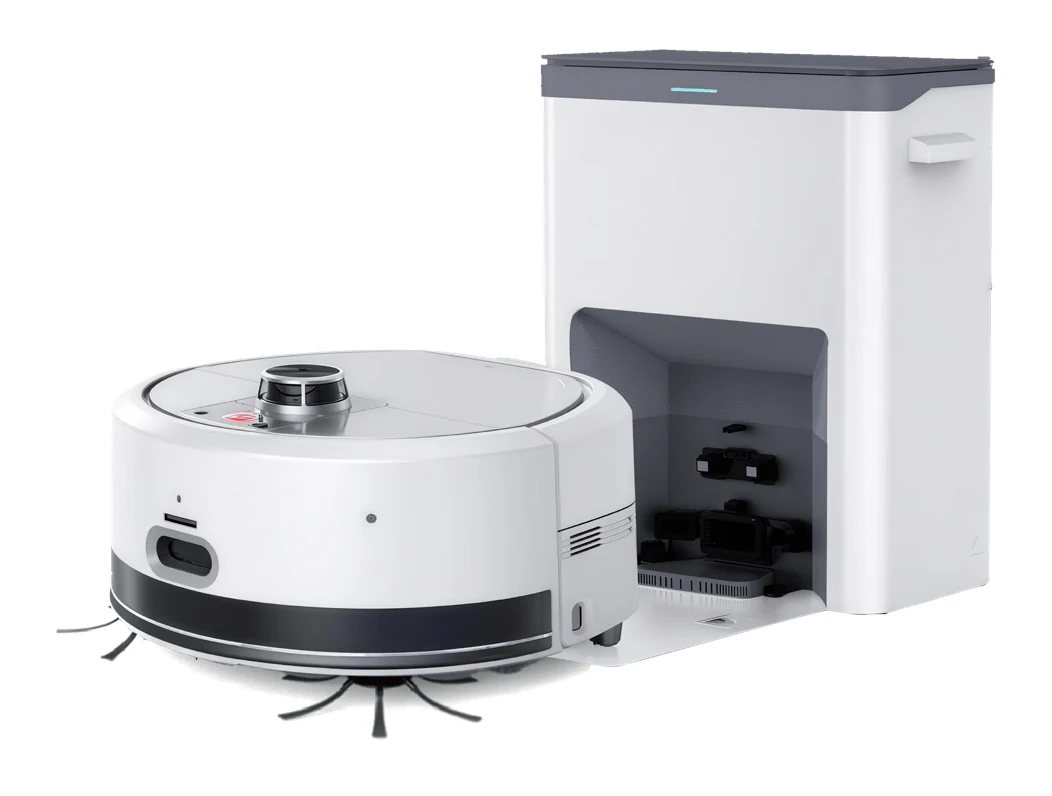
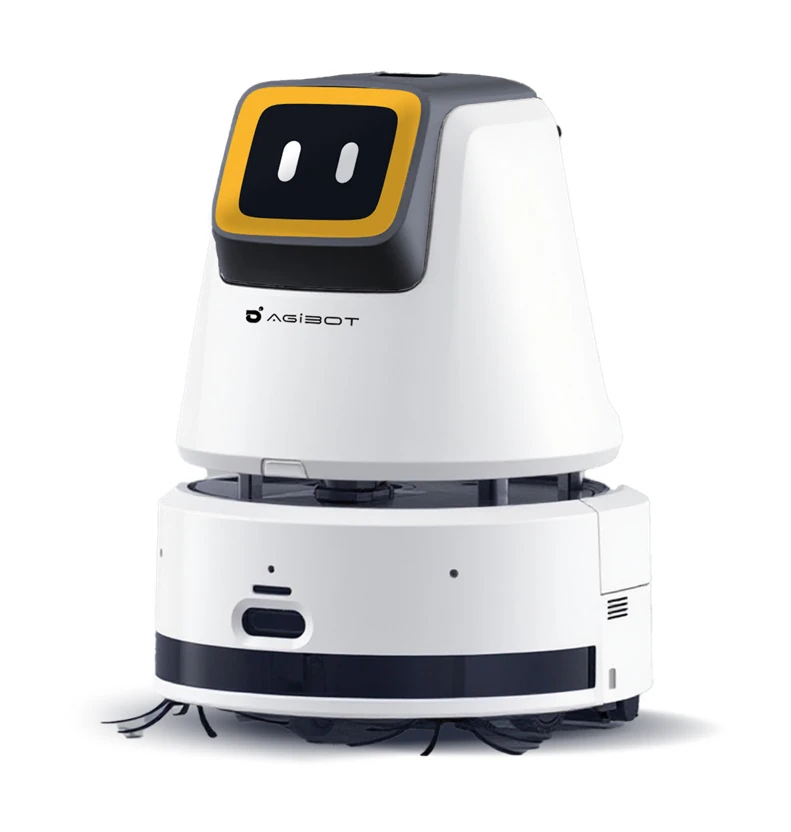
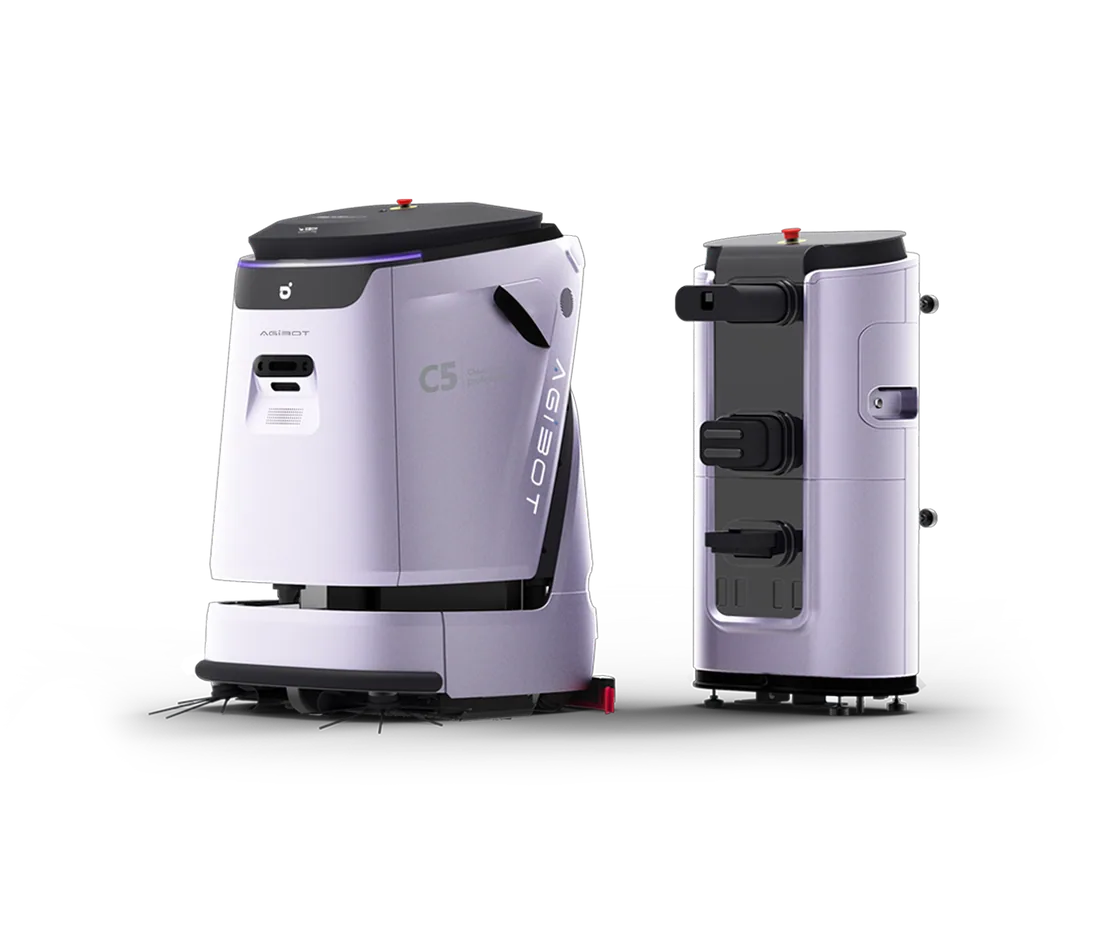
- The C2 is for small sites of roughly 500 to 1,000 m², such as shops, offices and serviced apartments, where it vacuums and mops under tables and between shelves. The C2P is for the same small sites where the floor also needs sweeping and scrubbing: it works with a roller brush, has a quiet mode for night work, and stands 680 mm tall. AGIBOT gives 700 mm as the lowest gap it passes under, and 180 to 250 m² an hour against 300 to 700 for the C2. The C4 is for small to mid-size sites with narrow aisles: it passes a 60 cm gap, turns around within 80 cm and covers up to 1,400 m² an hour. The C5 is for large open floors, up to 1,920 m² an hour, and it cleans up to 840 mm wide including its side brush.
- Aisle width decides more than area does.
- A supermarket and a warehouse of the same area are different jobs. Measure the narrowest gap on the route and the tightest place the robot has to turn before comparing hourly rates.
- Wet and dry work run on different clocks.
- The C5 scrubs for about 3 hours per charge and dry dust-mops for about 8; the C4 scrubs for about 3 hours and the C2 wet-cleans for about 4. The C2P runs for about 4 hours on a charge and 2 hours on one full tank of water. A site that needs both a wet clean and dry maintenance passes across a shift is running two duty cycles on one machine, and the schedule should say so.
The docking cycle is what makes back-to-back runs possible at all: charging, water refill and drain, all without a person meeting the robot at a tap.