


Requirements Analysis & Specification, Pick & Place
Requirements analysis and functional specification for a pick-and-place cell, the scoping step that decides whether a robot is the right answer at all.
View detailsPerception, localisation, navigation and picking software for handling tasks.
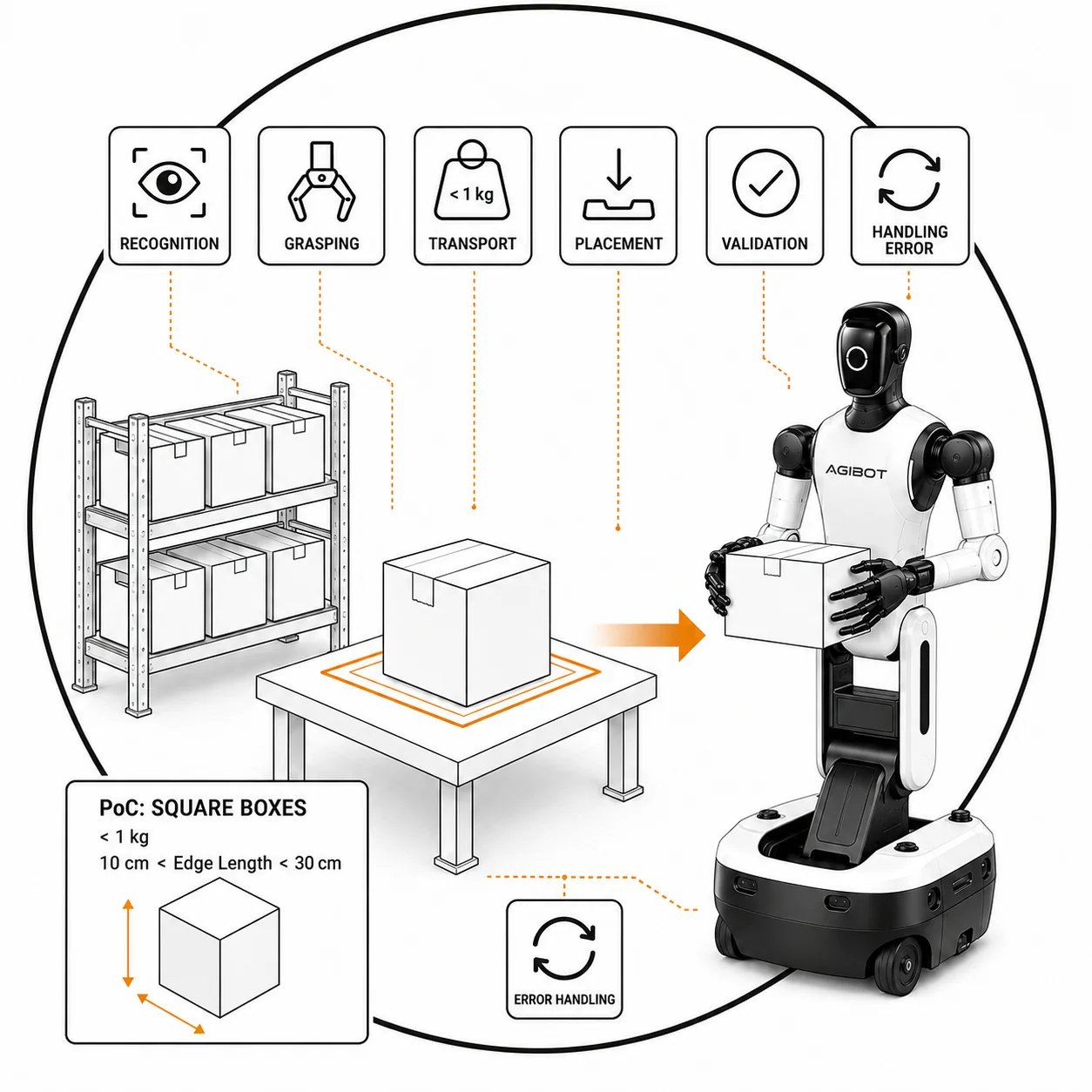
Requirements analysis and functional specification for a pick-and-place cell, the scoping step that decides whether a robot is the right answer at all.
View details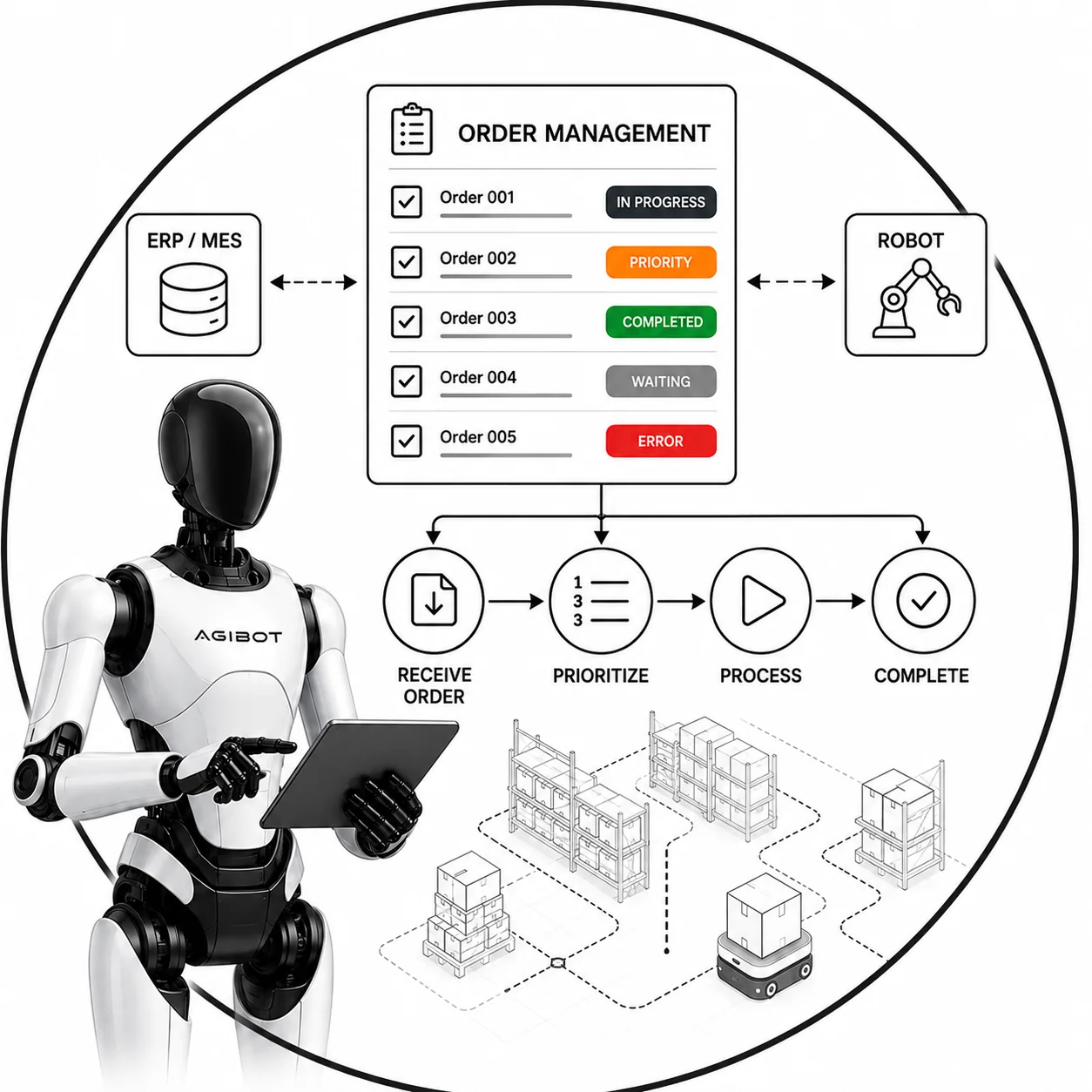
Order-management software for robot pick-and-place: it takes jobs from your system, sequences them and hands the robot a queue it can actually execute.
View details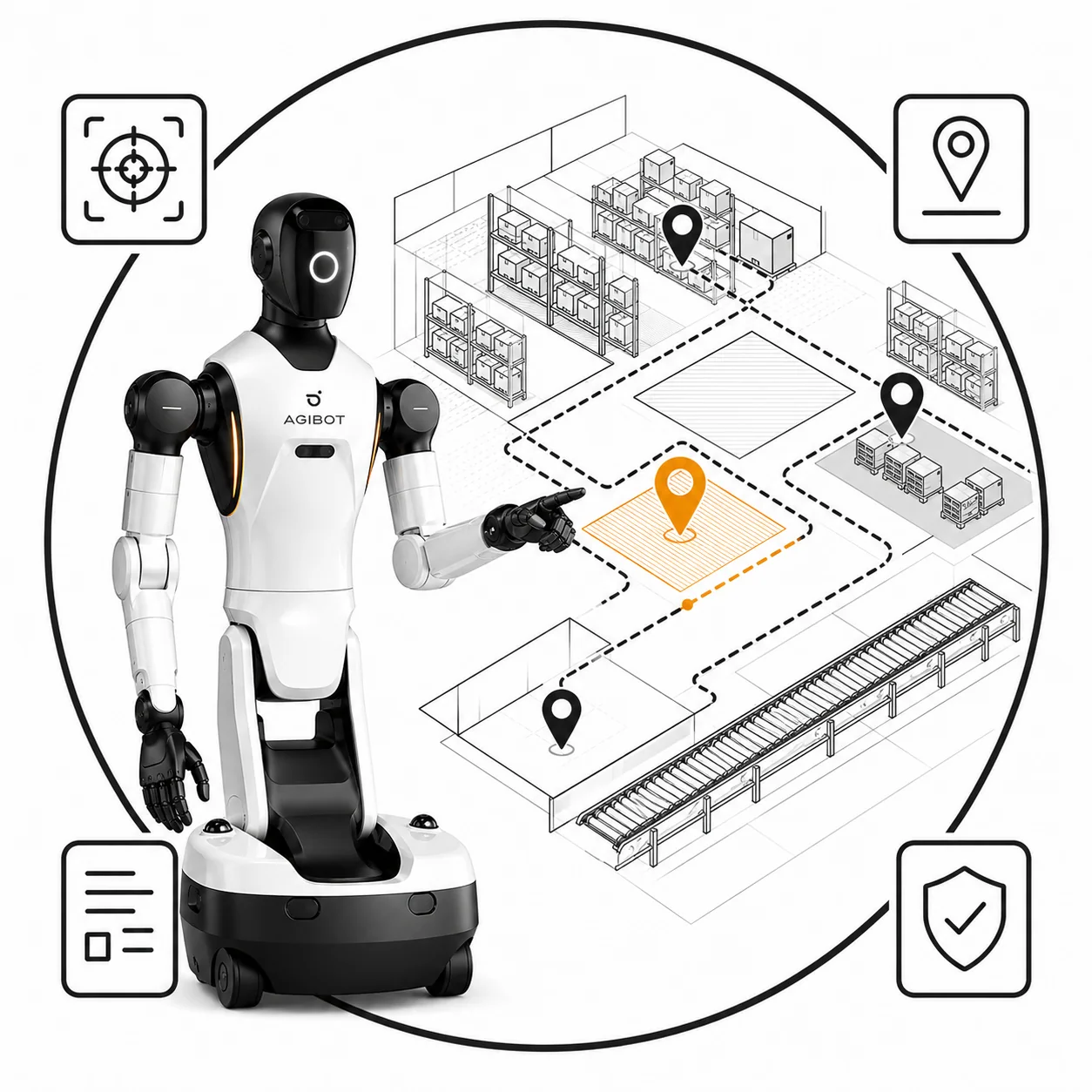
Mapping of the working area a robot will operate in, delivered as the map layer that the navigation stack and the picking process both depend on.
View details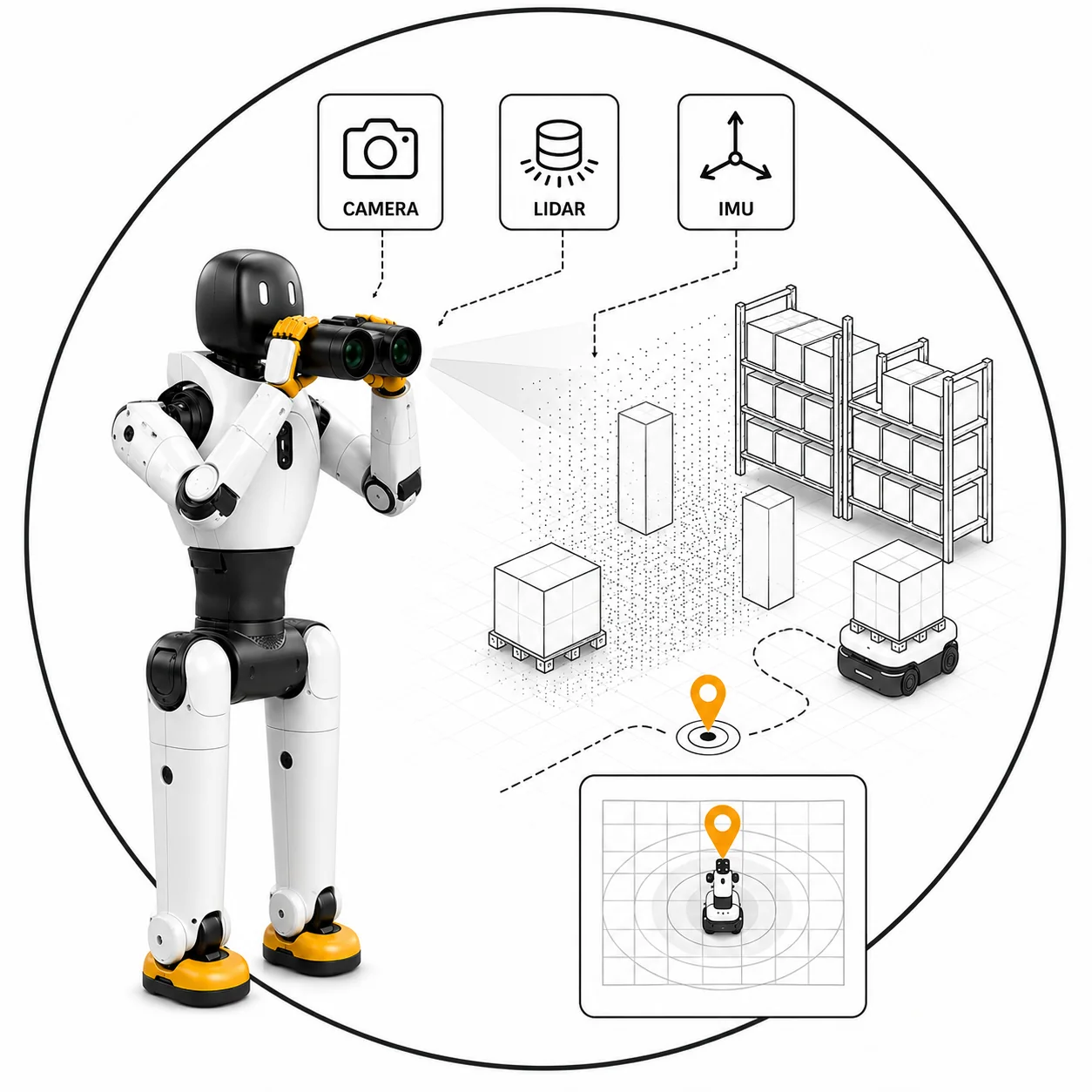
Perception and localisation for humanoid and mobile platforms: recognise the part, know where the robot is, and keep both stable in a live environment.
View details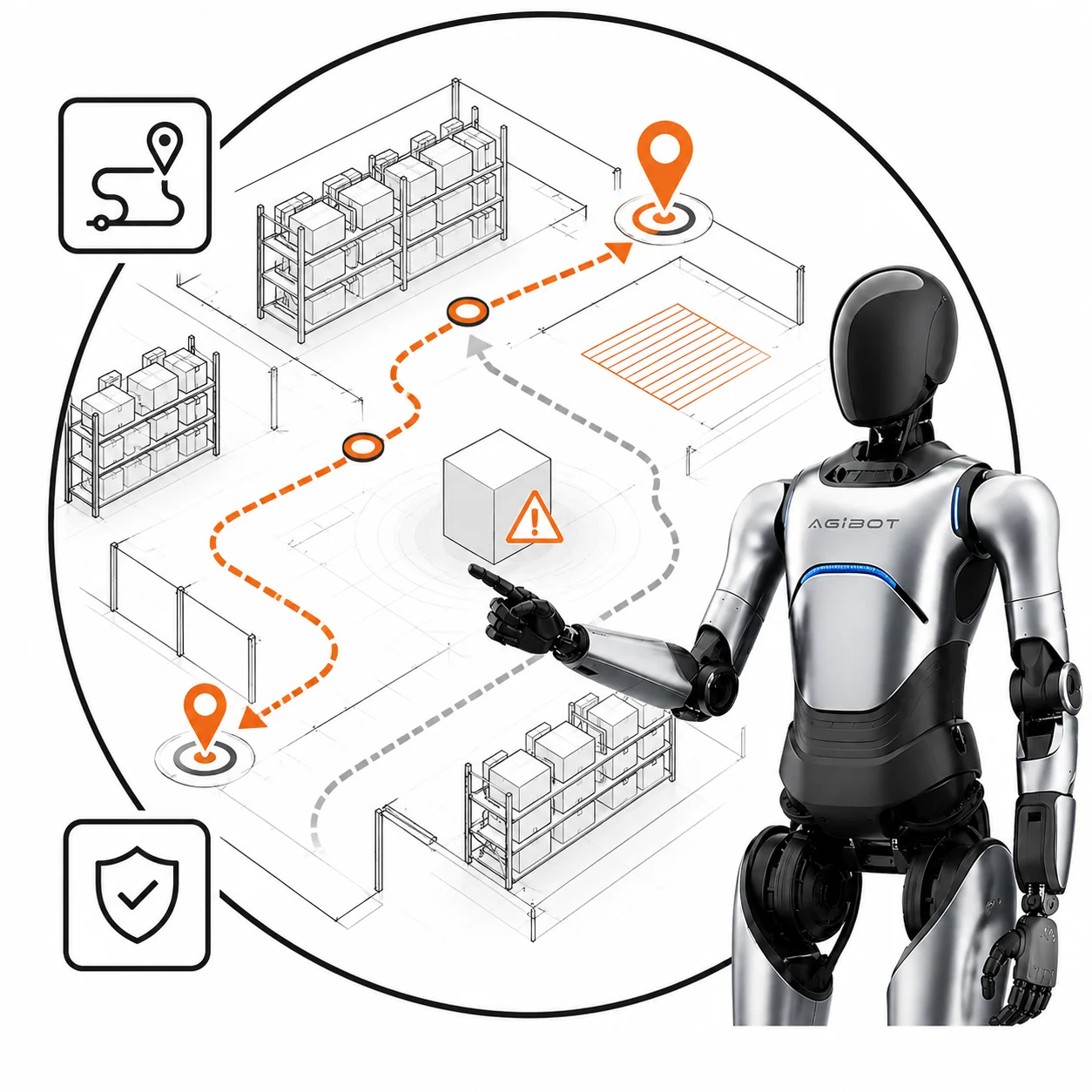
ROS-based navigation for humanoid and legged platforms, path planning, obstacle handling and recovery behaviour tuned to your floor, not a demo hall.
View detailsApplication engineering for the pick and drop-off cycle itself: grasp selection, approach, placement tolerance and the error handling around them.
View detailsThese six items are the parts of a pick-and-place deployment, priced separately because not every project needs all of them. Bought in the wrong order they overlap and you pay twice.
All of it is charged by the hour or by the engineering day, so the scope is yours to control. We would rather size it honestly and be asked for more later than pad it and be argued down.
Almost every argument about a pick-and-place cell traces back to nobody having written down what success meant. These are the numbers to agree before the engineering starts, because afterwards they become a negotiation.
Yes. Most platforms can be demonstrated on a working unit, and our humanoid robots, robot dogs and the cleaning robot are also available to rent for a trial on your own site.
See rental termsEvery supply includes commissioning, operator briefing and European service handling, with a 12 month warranty handled inside the EU. If a machine stops, a named engineer responds the same working day and works remotely first; on-site attendance is set in the service agreement. On-site engineering is 825 EUR per engineer per day within Europe, with travel and accommodation included. Remote engineering is quoted per request, as is work that runs past midnight or starts before 06:00. The figure here is indicative until we issue a written quotation.
For a standard configuration, allow 12 to 16 weeks from a firm order. A configuration built to order takes longer. The binding date is the one in your written quotation.