Robot dog inspection in hazardous areas: the ATEX gap
Oil and gas sites, refineries and carbon-storage plants were among the first places a robot dog earned its keep, and the job there is narrower than "inspection." It is not walking a repetitive round to save a person's legs. It is carrying a sensor into a place where the risk to a person is the entire reason the robot goes instead.
- The payload is the point, not the platform.
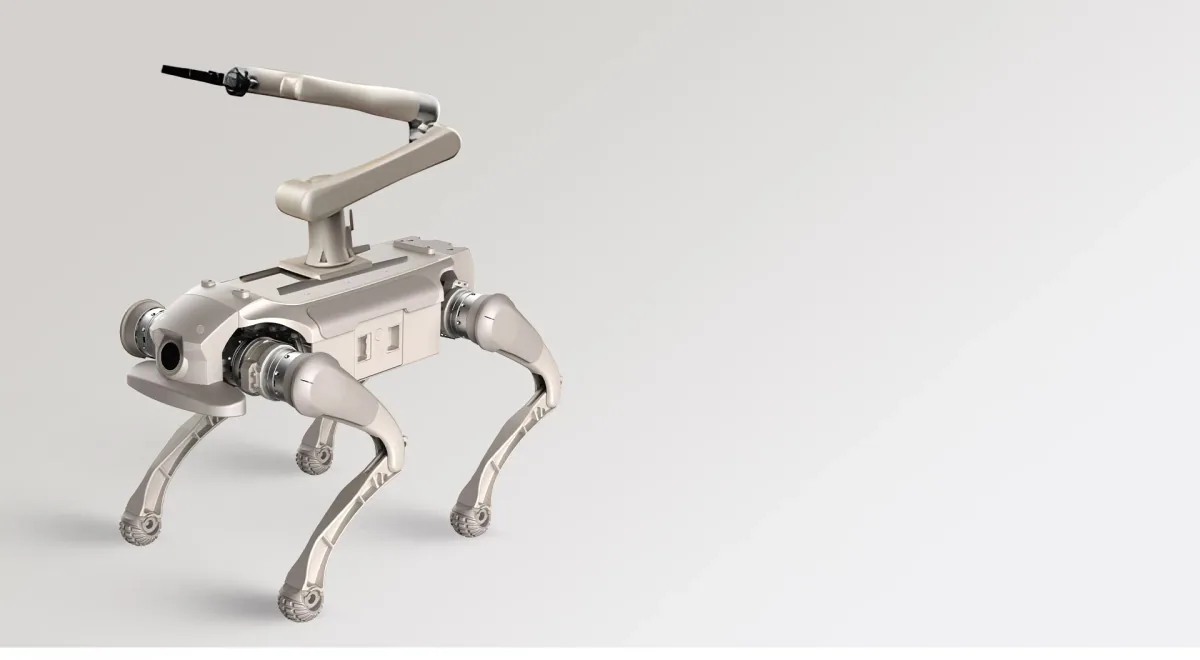
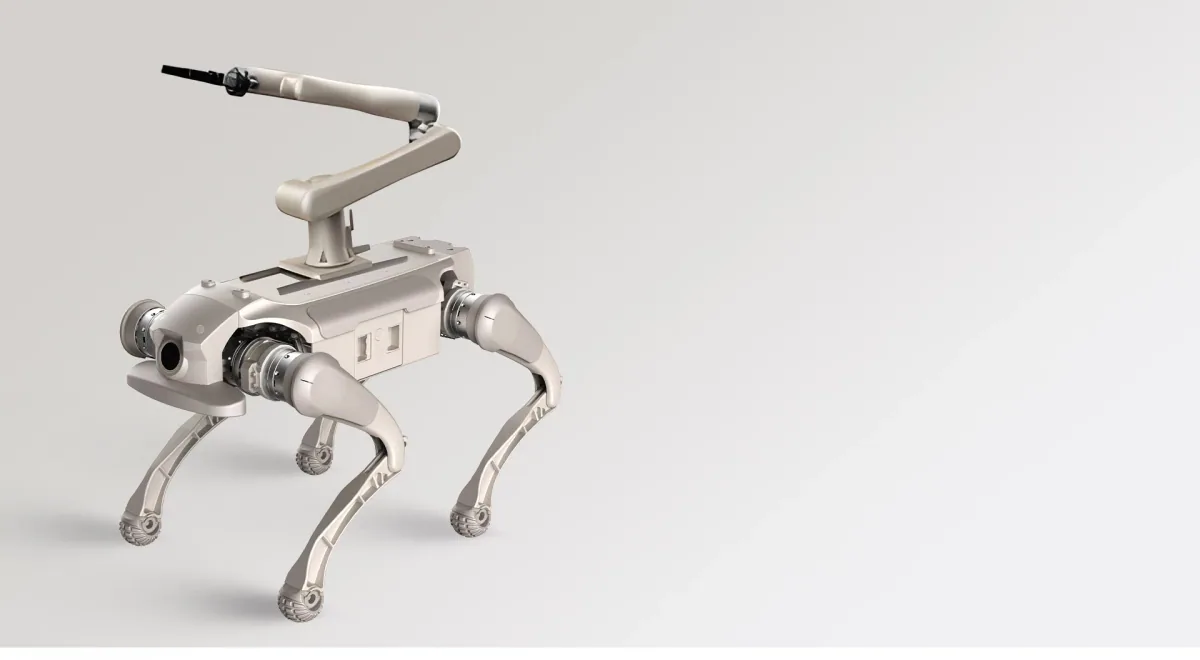
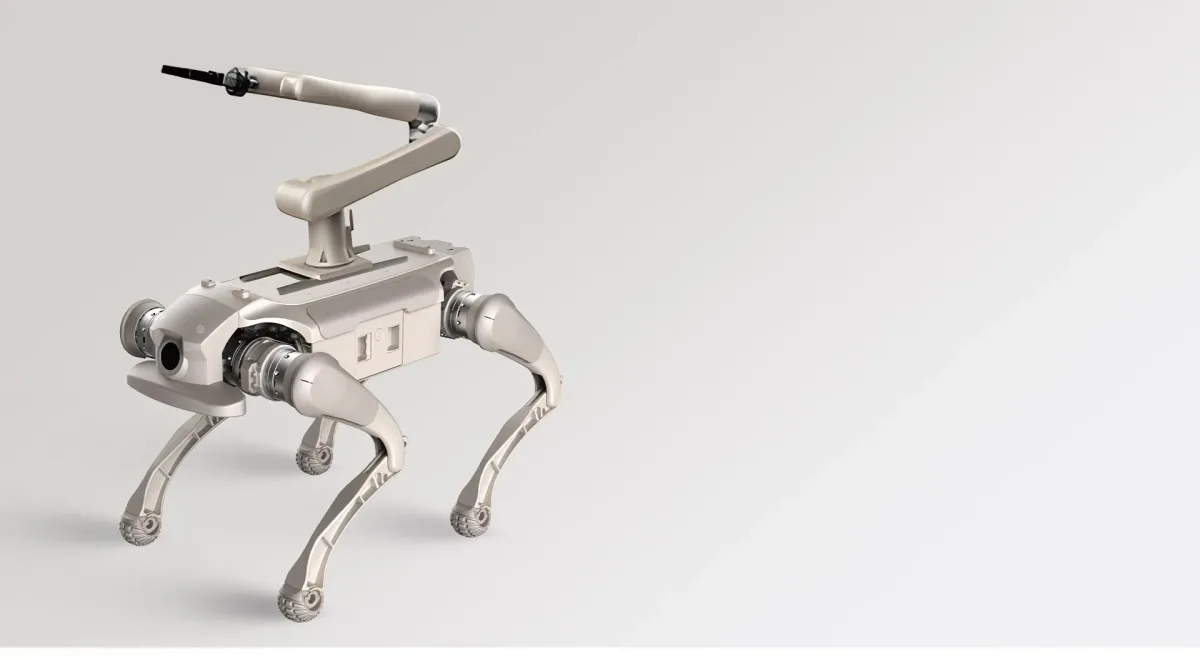
- A D1 Ultra or an Ultra-W carries up to 5 kg, a Max 25 kg. None of that is about the robot. It is about what the site needs strapped to its back: a gas detector for a compressor house, a thermal camera for a bearing that runs hot before it fails, an acoustic sensor for a leak too small to see. The quadruped is the vehicle. The instrument the buyer chooses for the specific hazard is the actual answer to the question "what does this catch that a fixed sensor does not."
- Legs earn their place on the terrain a wheeled platform cannot cross.
- A tank farm has berms, gravel, stairs and grating. A confined space has a sill. Range varies with the model, from around 6 km on the Ultra and around 9 km on the Ultra-W to around 29 km unloaded, or 18 km fully loaded, on the Max. So does the sensing: an IMU on all three and, on the Max, LiDAR, ultrasonic to 5 m and GNSS, which its sheet lists as serving autonomous navigation. On the Ultra and the Ultra-W, AGIBOT's flyers present autonomous navigation as something added through the expansion interfaces and secondary development, not as delivered, and the Ultra-W's manual tells the operator to keep the robot within line of sight.
- The honest limit, stated plainly.
- An IP rating is dust and water ingress protection. IP54 on the Ultra and the Ultra-W, IP67 on the Max, and IP55 on the D1 Max Patrol, the Max with AGIBOT's patrol kit and its thermal camera fitted, supplied on request. It says dust and rain will not disable the electronics, and on the Max without that kit neither will a brief immersion. It says nothing about an explosive atmosphere, and the specifications available here carry no ATEX or explosion-proof rating. That is not a detail to skip past. If the round includes a zone where the air itself can ignite, the robot detecting that condition and a robot rated to operate inside it are two different questions, and only the first one has an answer here.
- What the robot does, and what it does not do.
- It detects and monitors. It puts a sensor where a person would otherwise have to stand, reads the result, and lets someone decide what happens next from outside the hazard. It does not make the atmosphere safe, it does not neutralise the leak, and it is not a substitute for the ATEX assessment a genuinely explosive zone requires. Treating a dust and water rating as if it covered that question is the kind of gap that gets found in an audit rather than in a spec sheet.
- Where this differs from a general inspection round.
- A platform chosen for range and payload on a routine walk is a different decision from a platform chosen because the round is dangerous. The distinction matters for procurement: buy for the hazard, not for the tier number. A Max carrying 25 kg of monitoring equipment into a tank farm is answering a different brief than an Ultra doing a nightly perimeter pass, even though both are quadrupeds from the same range.
The buying question this answers is simple: does the site have a round where the risk is to the person walking it, not the schedule. If so, the sensor payload and the ATEX gap are the two numbers to check before anything else on the spec sheet.
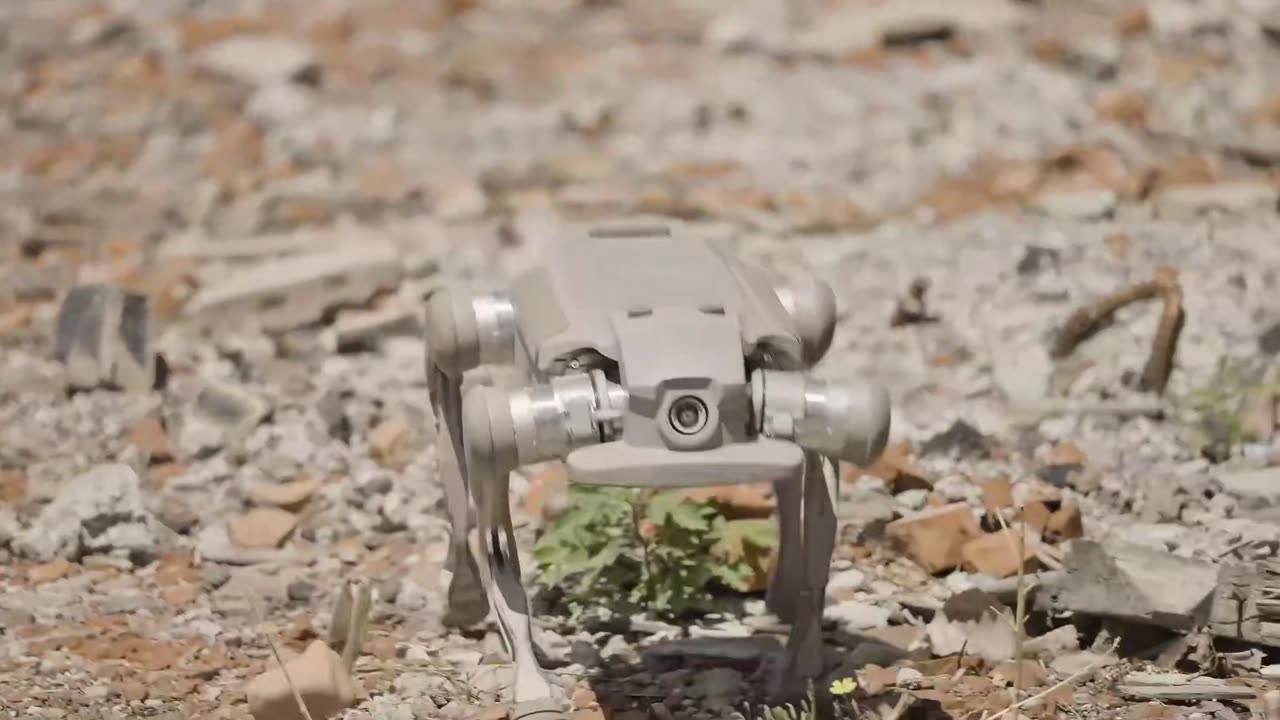
Manufacturer footage of a D1 Ultra walking over scrub and loose rock. This is the terrain a hazardous round actually crosses: uneven ground a wheeled platform would need a ramp for. The clip shows mobility, not the sensor payload or the ATEX question the paragraph above addresses.
We can talk through which tier and payload combination fits a specific hazardous round, and where the ATEX question needs a separate answer from us or from your integrator.