What are robot dogs used for? Patrol, inspection, cargo
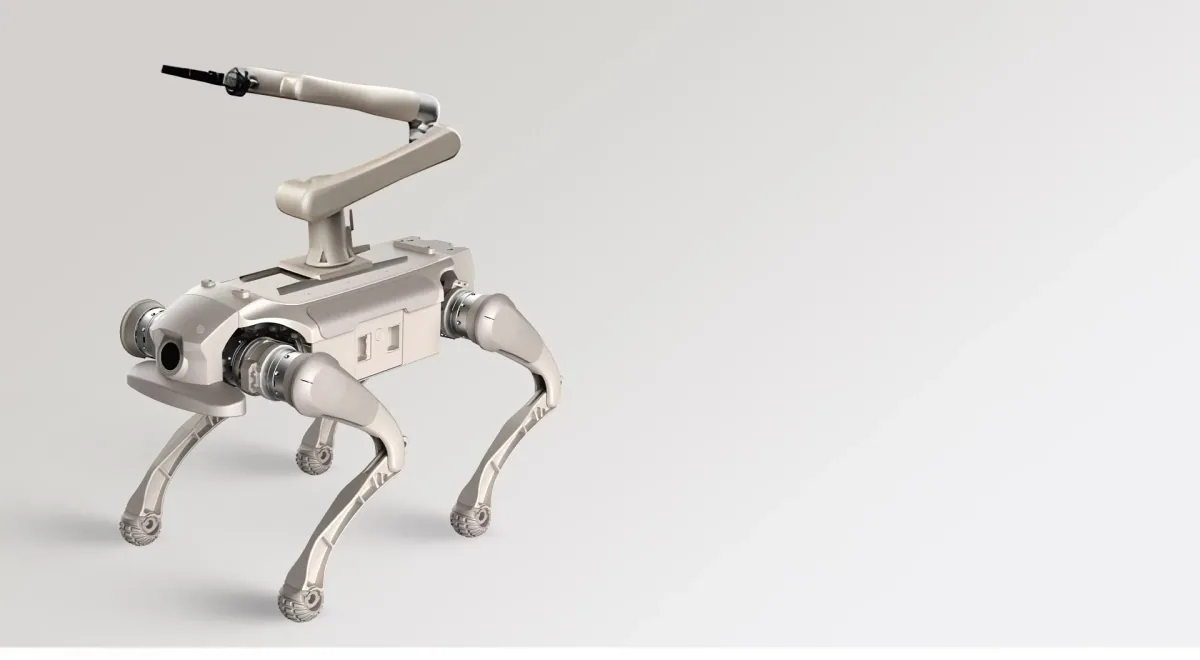
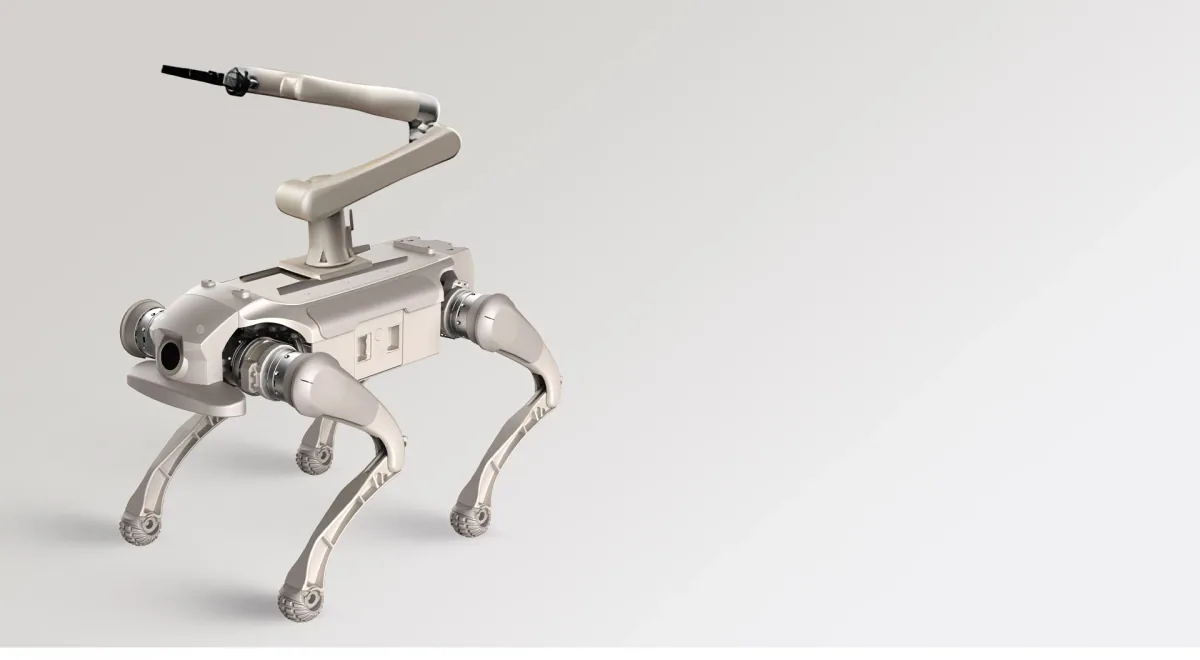
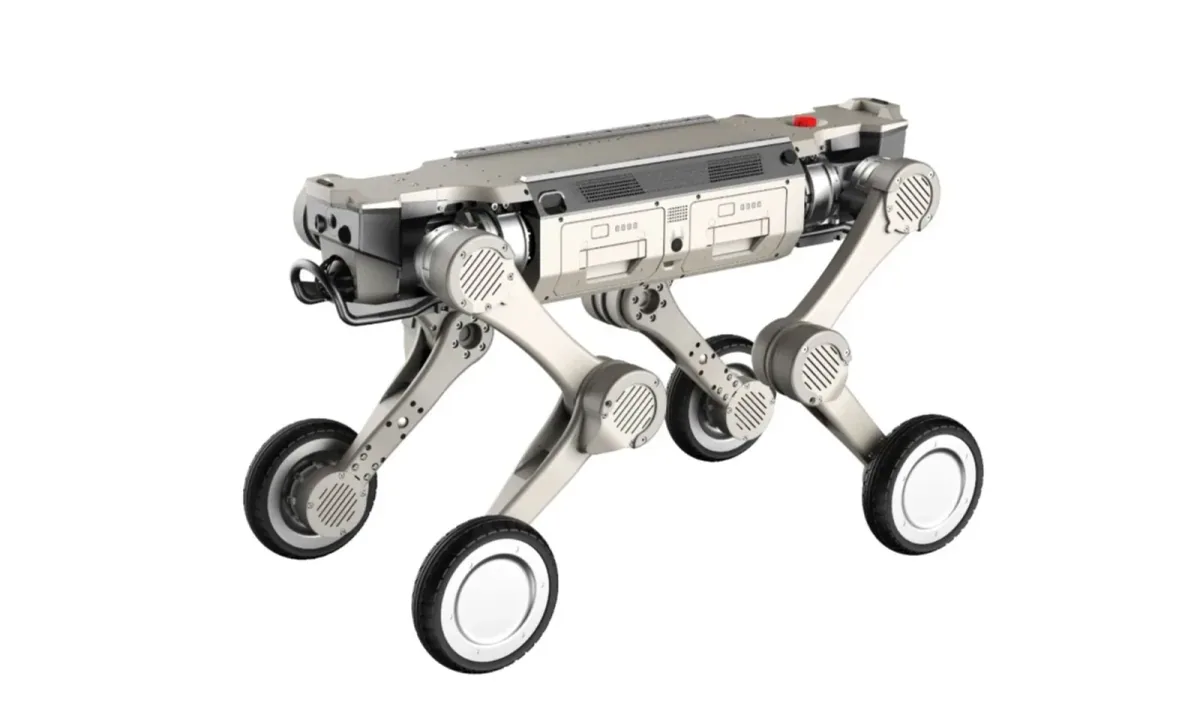
"What is a robot dog used for" assumes one answer, and the robot dogs in this catalogue alone are built for genuinely different jobs. Two of them, the D1 Max and the D1 Ultra, show how far apart those jobs sit.
- Outdoor sealing decides the environment before the task does.
- The D1 Max is rated IP67, sealed against dust ingress and temporary submersion, built for genuinely wet or dusty outdoor conditions. The D1 Ultra is IP54, protected against dust and splashing water but not built for the same exposure. A site that floods, or a route through standing water or heavy rain, is a D1 Max question; a covered or lighter-duty outdoor route is where the D1 Ultra's lower weight and cost make more sense.
- Payload is what separates "carries a sensor" from "carries cargo."
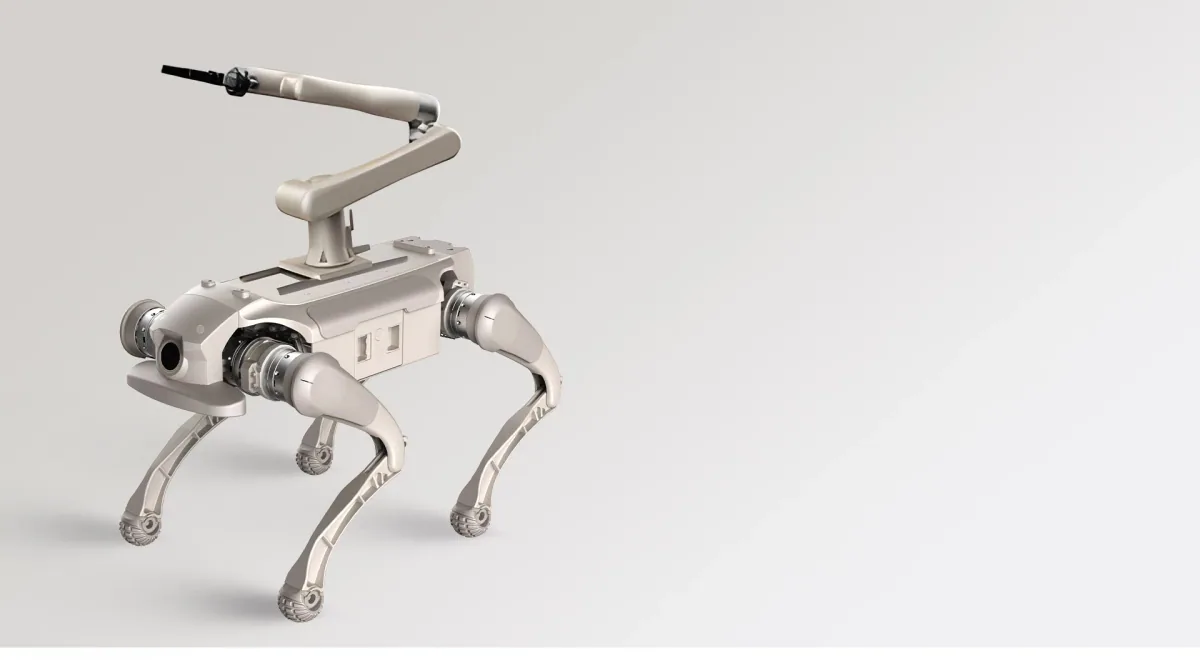
- The D1 Max is rated for 25 kg, enough for a mounted arm, extra sensors, or actual cargo on top of the platform itself. The D1 Ultra carries 5 kg, enough for its own sensor payload but not a meaningful additional load. A route that needs the robot to carry something, rather than just look at something, is a D1 Max decision by weight class alone.
- Terrain figures are what make "goes where wheels can't" a specific claim rather than a slogan.
- The D1 Max clears an 80 cm obstacle, climbs a 45-degree slope, and is rated to cross 50 cm with its payload on board, published as three separate figures because a route needs all three, not just the headline number. That is what lets it patrol a perimeter, inspect a site, or monitor an area that a wheeled vehicle or a person walking a fixed round cannot reach as reliably. The D1 Max is also supplied with a patrol kit already fitted, the D1 Max Patrol, which has figures of its own: IP55 and a range of 9 km.
- Range decides how much of a shift the robot actually covers.
- The D1 Max publishes 29 km unloaded or 18 km with its payload on, a genuinely large difference that matters for planning a route rather than assuming the same number applies loaded and empty. A route mapped against the unloaded figure for a job that always carries something will come up short.
"What a robot dog does" is really "what does this specific model's sealing, payload and terrain rating actually allow on this specific site," and the D1 Max and D1 Ultra answer that differently enough that picking by weight class and IP rating first, use case second, is the right order.