IP42, IP54 or IP67: what each one actually survives outdoors
An IP rating reads like a single sliding scale from indoor to outdoor, and the three ratings in the title describe three genuinely different jobs rather than three points on one line.
- IP42 is an indoor rating: it keeps out objects larger than 1 mm and tolerates the occasional drip, nothing more.
- A platform carrying it is built for a factory floor or a showroom, not a courtyard with weather in it. Reading IP42 as fine outdoors on a dry day is already asking more of the rating than it promises.
- IP54 adds real dust protection and resistance to splashing water from any direction, which is the rating a covered outdoor space or an occasional-rain courtyard actually needs.
- It is not a rating for standing water, a hose-down, or a route that crosses a puddle deeper than a splash, and treating it as weatherproof in that fuller sense is the gap between the rating and the job. IP55, which the D1 Max Patrol carries, is the same dust protection and withstands water jets (IPX5), not only splashes, and is still not a rating for standing water.
- IP67 is the rating built for water the platform actually goes into, not just water that lands on it: immersion to one metre for thirty minutes, not just splashing.
- That is the rating a site with standing water after rain genuinely needs, and it is a materially different engineering commitment from IP54, not an incremental step up. It does not cover jets or pressure washing, which are tested separately (IPX5 and IPX6 for jets, IPX9K for high-pressure washing), so a hose-down bay needs the matching code on the sheet as well.
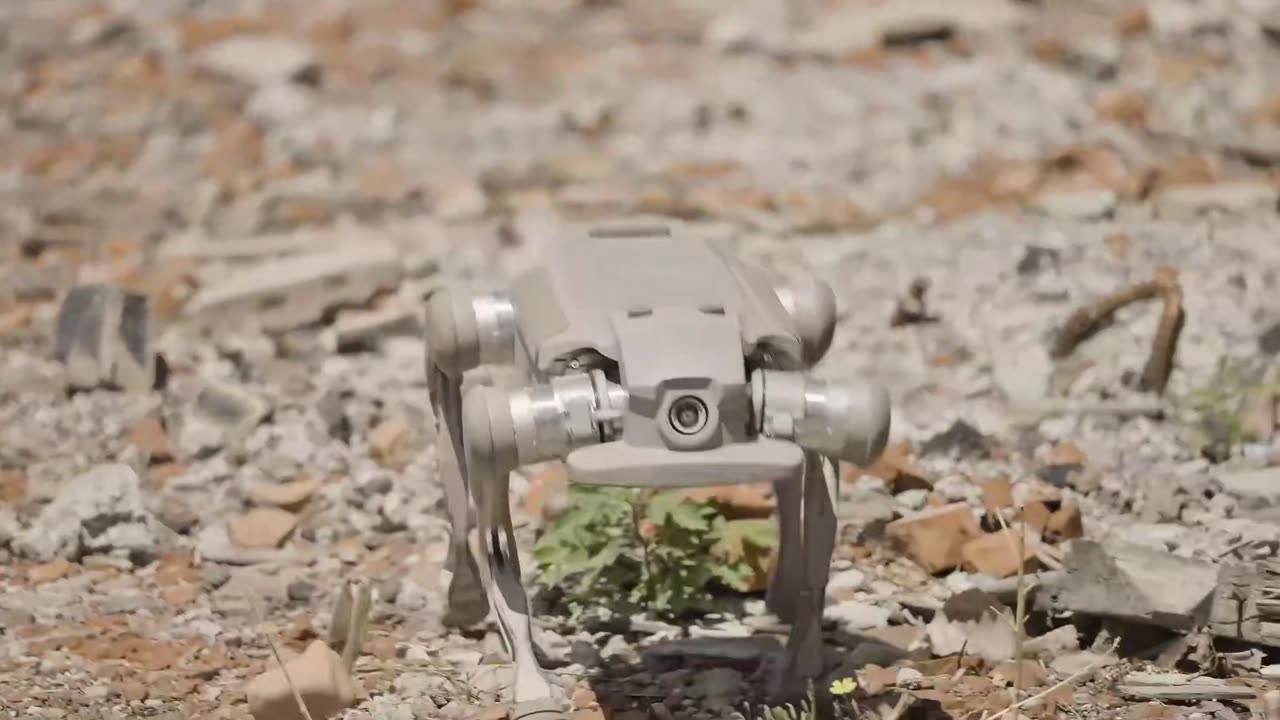
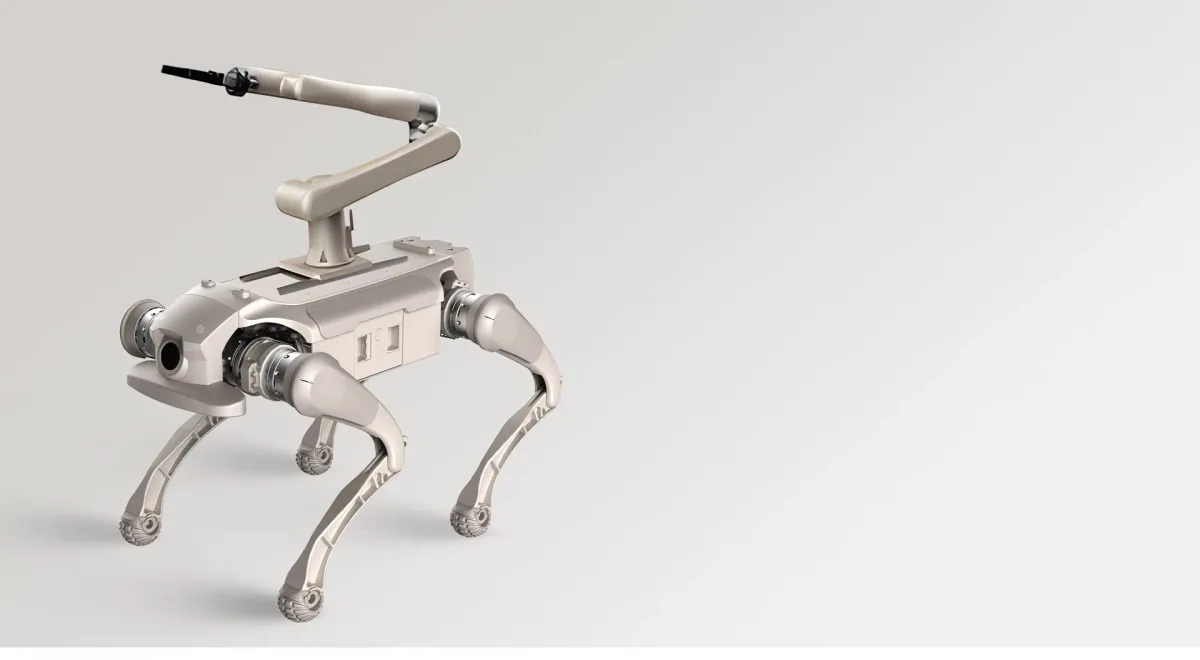
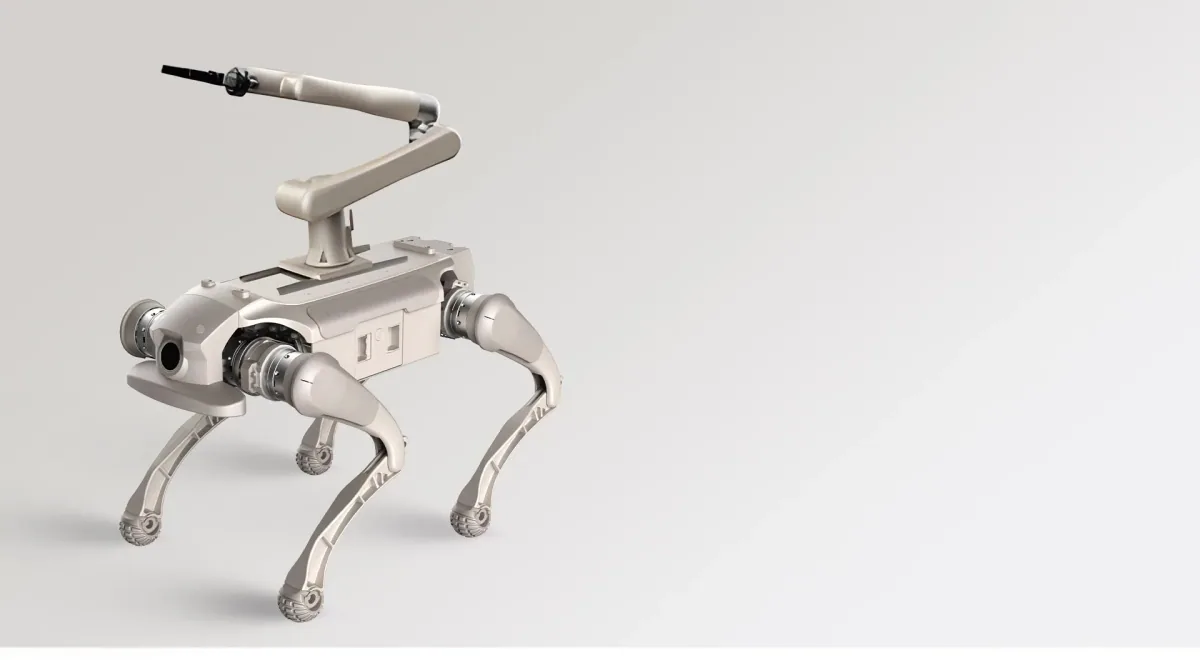
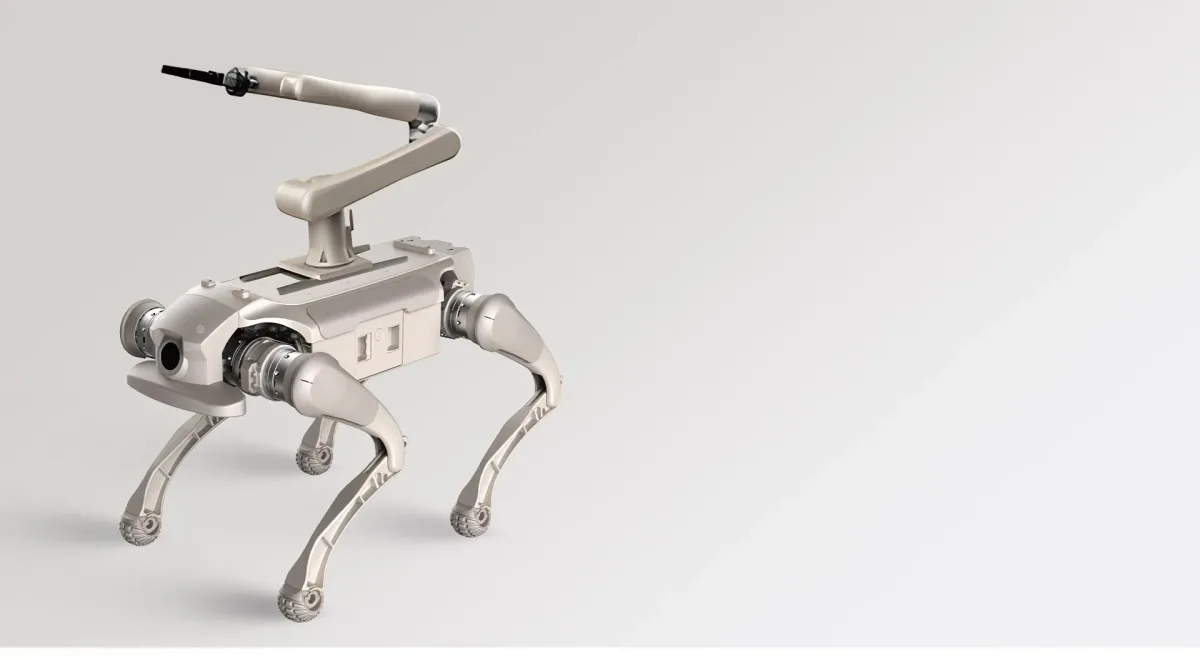
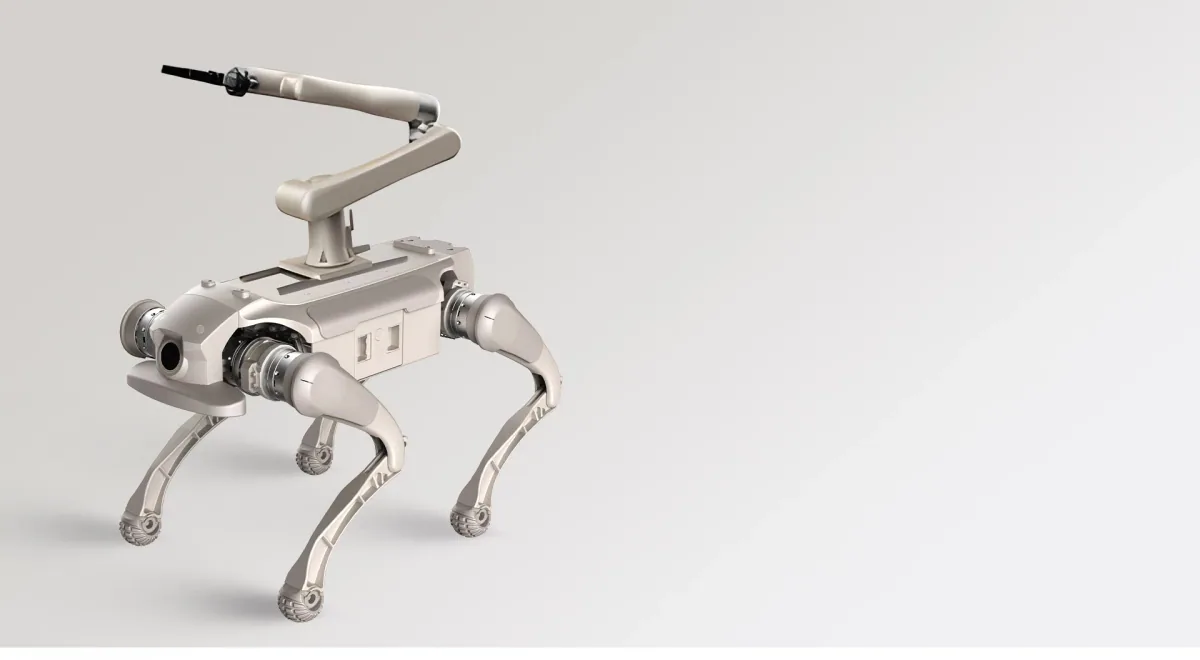
A D1 Ultra crosses scrub and loose rock: the kind of ground an IP54 platform can cross dry, and where the rating starts to matter the moment the ground gets wet.
None of the three is simply more outdoor than the last. Each answers a specific question about what water and dust the platform actually meets on its route, and naming that route's worst case, rather than reading the ratings as a ladder, is what actually picks the right one.
The practical version of that question is short: does the route ever cross standing water, or does it only ever get rained on. A courtyard that floods after a storm or a route that fords a drainage channel both answer yes, and the answer is IP67 regardless of how rarely the worst case happens, because the rating has to cover the route's worst day, not its average one. A route that only ever meets rain and dust, never standing water, is answered by IP54, and paying for IP67 there buys a margin the job never uses. Getting this backwards is the more expensive mistake of the two: an IP54 platform sent somewhere it floods fails exactly where the rating said it would.