Robot dog for security patrols: range and IP rating
A quadruped patrolling a perimeter or a night round is being asked two questions before anything else: how far can it go on one charge, and what happens the first time it rains.
- Range decides the round, not top speed.
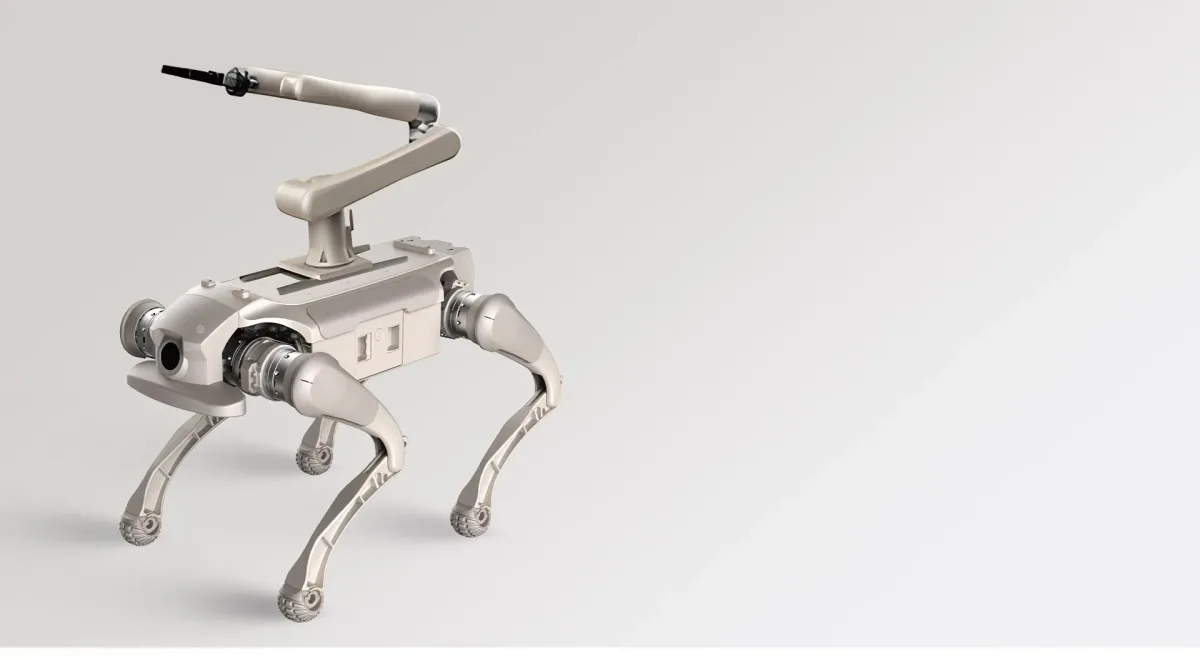
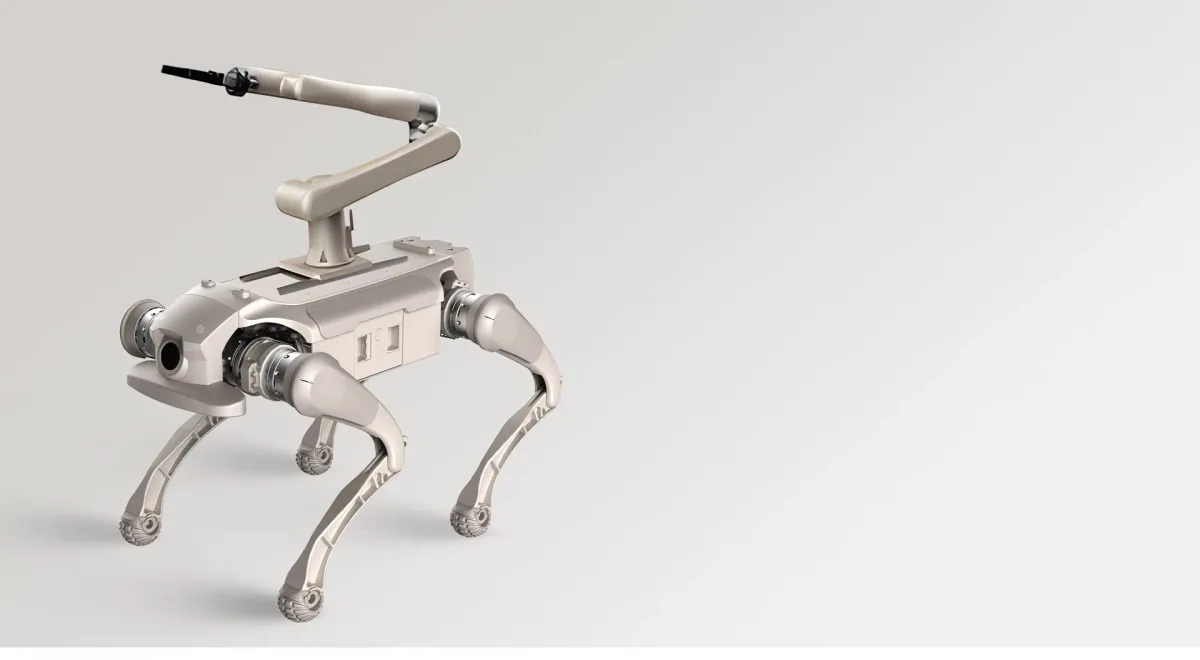
- The D1 Ultra covers up to 6 km on a charge, rated IP54, which is dust-protected and splash-resistant rather than built for standing water. The D1 Max covers 29 km unloaded or 18 km fully loaded, and is rated IP67, meaning it survives full submersion to a metre for thirty minutes rather than just a shower. A perimeter with a fixed walking distance either fits inside those numbers with margin for a second lap, or it does not, and that arithmetic is worth doing before a platform is chosen rather than after a round comes up short.
- Rough ground is where a wheeled guard robot would already have stopped.
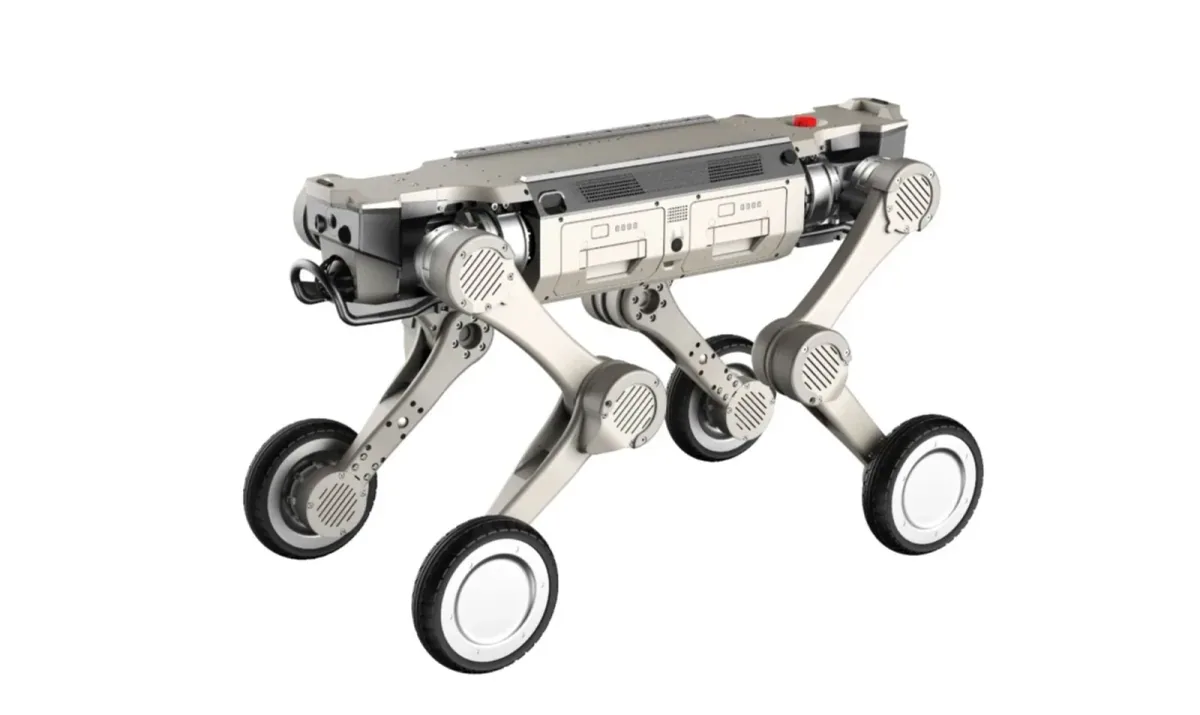
- A wheeled platform crossing gravel, a drainage grate or a flooded gutter after heavy rain is exactly the terrain a patrol route tends to include somewhere along its length, and it is also exactly where wheels lose traction or simply cannot pass. Legs negotiate that ground where wheels stop, which is the reason a quadruped rather than a wheeled platform is worth considering for an outdoor round at all. Whether it may also walk through standing water is a separate question, and the rating answers it: the D1 Max's IP67 covers that, with its expansion port cover closed, and the D1 Ultra's IP54 does not.
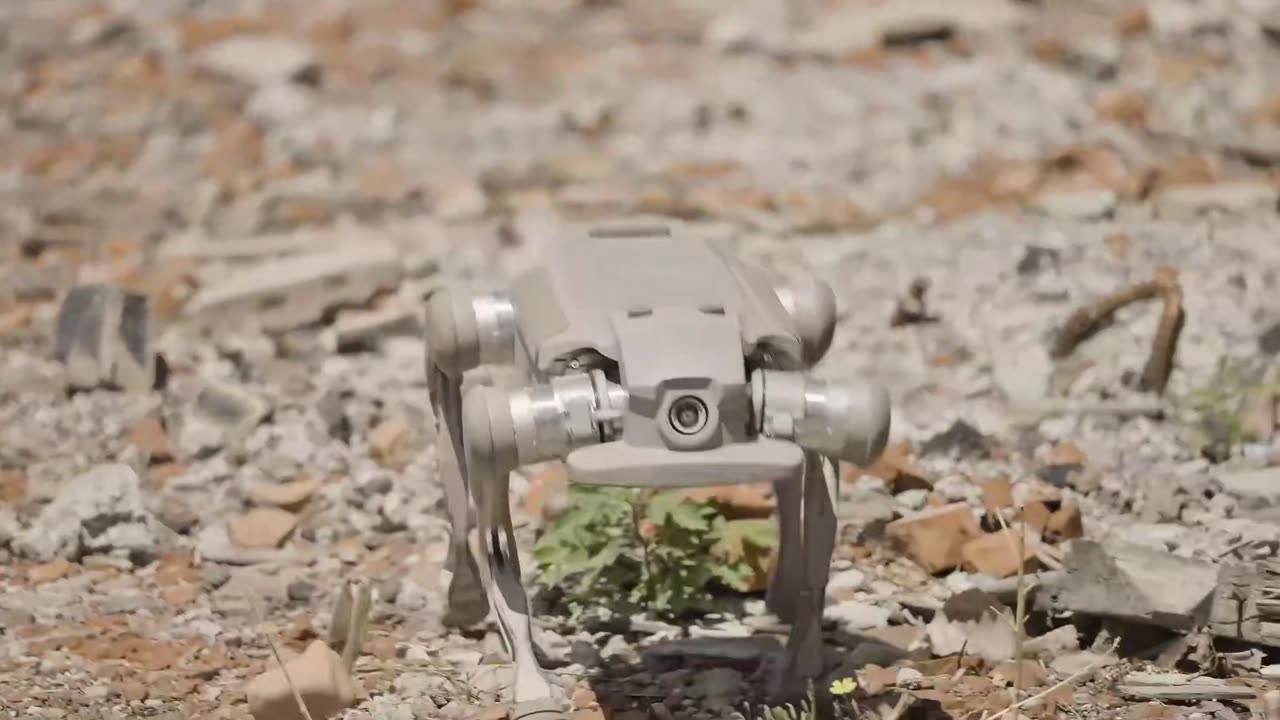
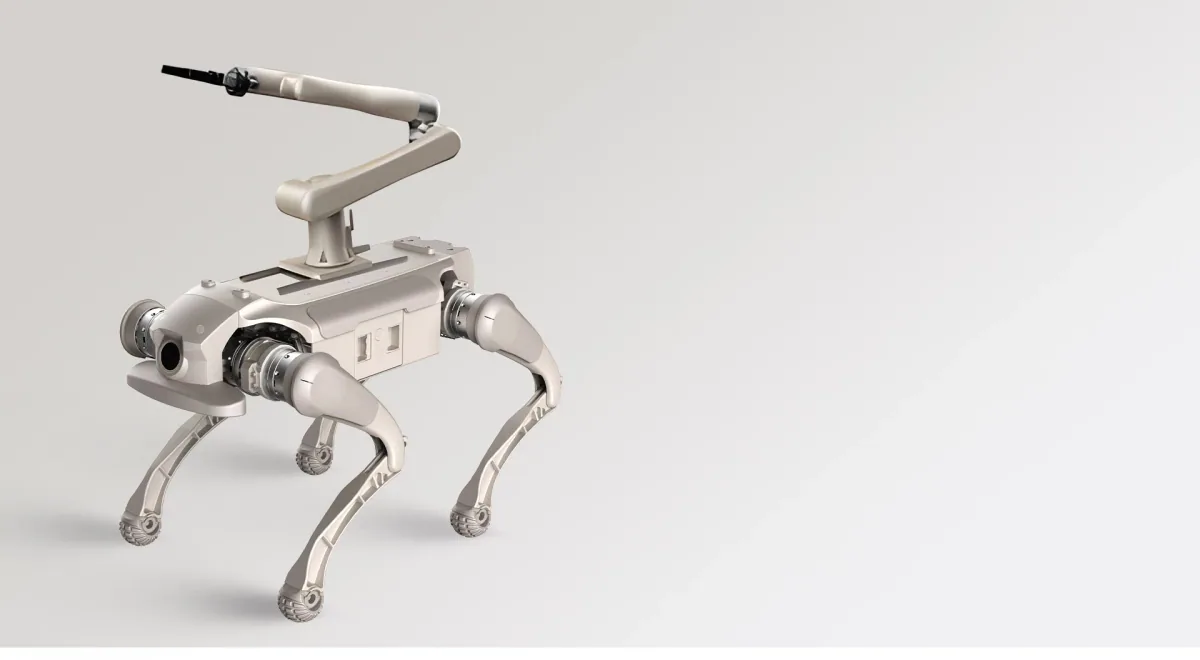
A D1 Ultra crosses scrub and loose rock: the surface a patrol route can include without warning, and exactly where a wheeled platform loses traction.
- The two ratings are not the same number wearing different clothes.
- IP54 and IP67 both mean "rated for outdoor use" in a sales conversation, and they describe genuinely different jobs: a courtyard with occasional rain calls for one, a site with standing water or a stream crossing calls for the other. Naming which one a given route actually needs is a site-survey question, not a platform question, and getting it backwards either overpays for a rating the route never uses or sends a machine somewhere it was never rated to go.
- The patrol kit changes both the range and the rating.
- AGIBOT also supplies the D1 Max with a camera and thermal patrol kit fitted, as the D1 Max Patrol. Its specification for that machine gives 9 km and IP55, not 29 km and IP67. It also gives 3 hours at 1 m/s, in a laboratory test. Do the lap arithmetic on the configuration that will actually walk the round.
None of this replaces a walked survey of the actual route. What it does is narrow the platform choice to the two or three questions that decide it before anyone visits the site: the distance in one lap, the worst water the machine will actually meet, and how many laps a shift needs to cover.