Planning a corporate event with a robot: the checklist
A corporate event with a robot is decided in the planning more than on the day. The machine is rarely the open question. What needs writing down is what it is for, which room it will stand in, and who will be watching it. This checklist follows the order an organiser works in, so each decision narrows the next.
- The job and the machine.
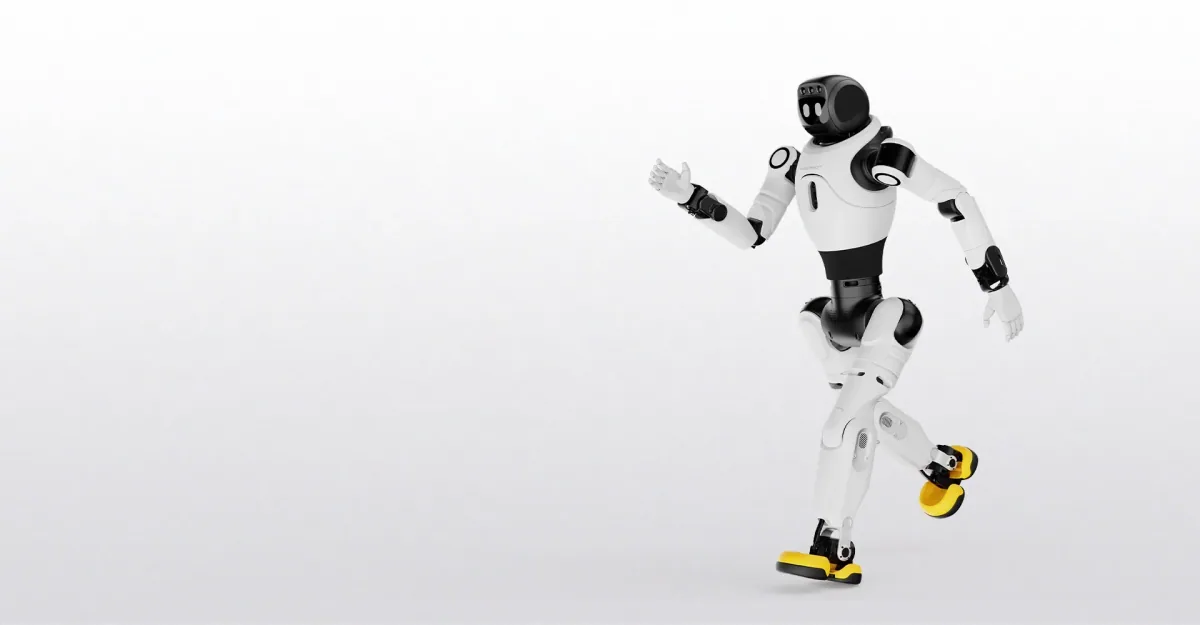
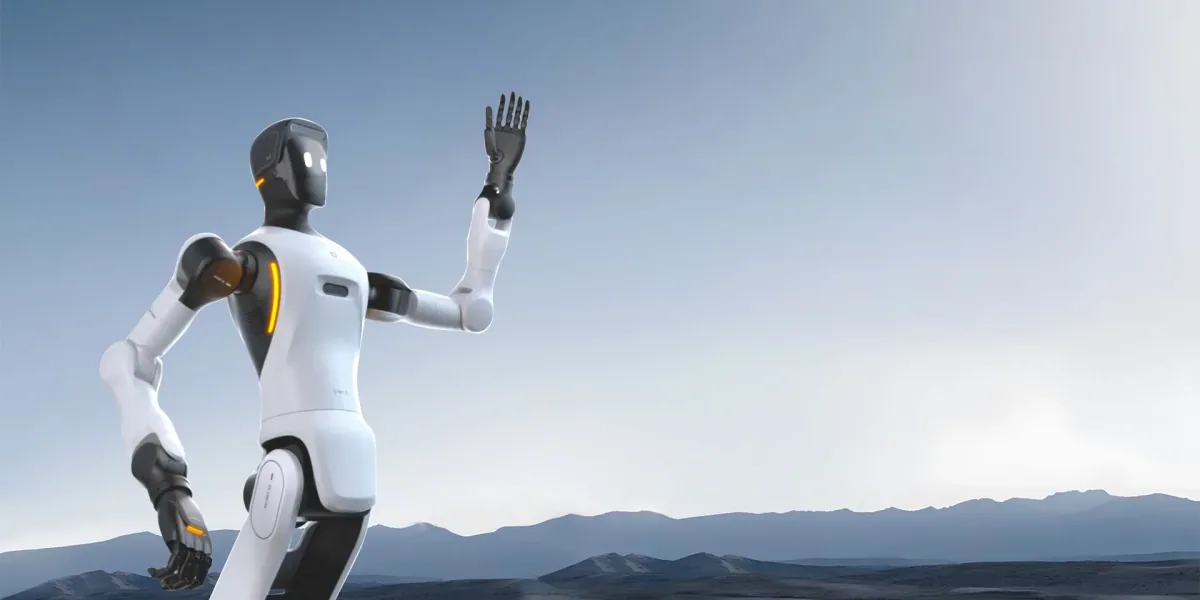
- Write one sentence on what the robot is for: greeting guests, staging one moment, holding a photo point, or repeating one demonstration. The X2, at about 131 cm, is for movement, seen from outside a safety area of at least 1 m around it in which nobody stands, as its manuals ask, and AGIBOT's manuals list more than 20 voice-command actions for it, with complex dance routines named on its X2 page. The A2 Ultra at 169 cm greets a standing adult at eye level. The G2 is wheeled, adjusts between 1225 and 1795 mm and has two 7-DoF force-controlled arms, which suits one task repeated in front of people from behind a barrier: it is hired for events with a fenced area around it, which the organiser arranges with the venue, and guests do not enter it while it is powered. If the job needs a routine timed to your music or a scripted stage show, that is engineering agreed before the day, not a setting.
- The room and the battery.
- Measure the route, not just the room: doors, lifts, thresholds, cable ramps and the floor it will stand on. The X2 Ultra weighs about 39 kg, the A2 Ultra 69 kg and the G2 185 kg, a floor-loading question for the building manager. The G2's 640 by 760 mm footprint needs a step-free route. Check the operating temperature, not only the forecast: the X2 is rated -10 °C to 40 °C, the G2 0 °C to 40 °C, and the A2 Ultra publishes no operating range. Some halls treat a walking robot as a moving exhibit and want the arrangement in writing, so ask the venue early. Then fit the run of show to the battery. The A2 Ultra publishes about 3 h standing and 1.5 h or more walking, the X2 Ultra about 2 h at 0.5 m/s walking with up to 1.5 h to charge, and the G2 about 4 h on dual hot-swap batteries. A robot working a room is walking, so plan in blocks: put a pack swap on the A2 Ultra or the G2 in a real gap such as between two speeches, and a charge, which takes up to 1.5 h on the X2 Ultra, in a stretch the robot is not part of, such as the meal.
- The people, the content and the data.
- Name one person whose only job for the event is the machine, who knows how to stop it and is not also running the bar. Agree a marked area that belongs to it, and who may step inside. Decide what it says and who wrote it: either somebody scripted the lines or a language model somebody configured produces them, and whose account that runs on is a question for before the night. Then ask what its cameras and microphones record. Both X2 models carry an interactive camera and a microphone array, and the X2 Ultra adds 3D LiDAR, an RGB-D camera and front and rear cameras, so the question is real: what is stored, where it goes, for how long, and what guests are told at the door.
- What to put to the supplier.
- These are questions, not terms, and the answers belong in the quotation. Is an operator booked for the days the robot performs? How is transport handled, and who is at the venue for delivery and collection? Is a rehearsal in the room a separate day? What is engineered for a cued or filmed moment, and what ships as it is? And what is free on your date? Rates are on the rental page. Tell us the date, the venue and the run of show, mark the moments when the robot must be live, and ask for a quotation against a specific platform.