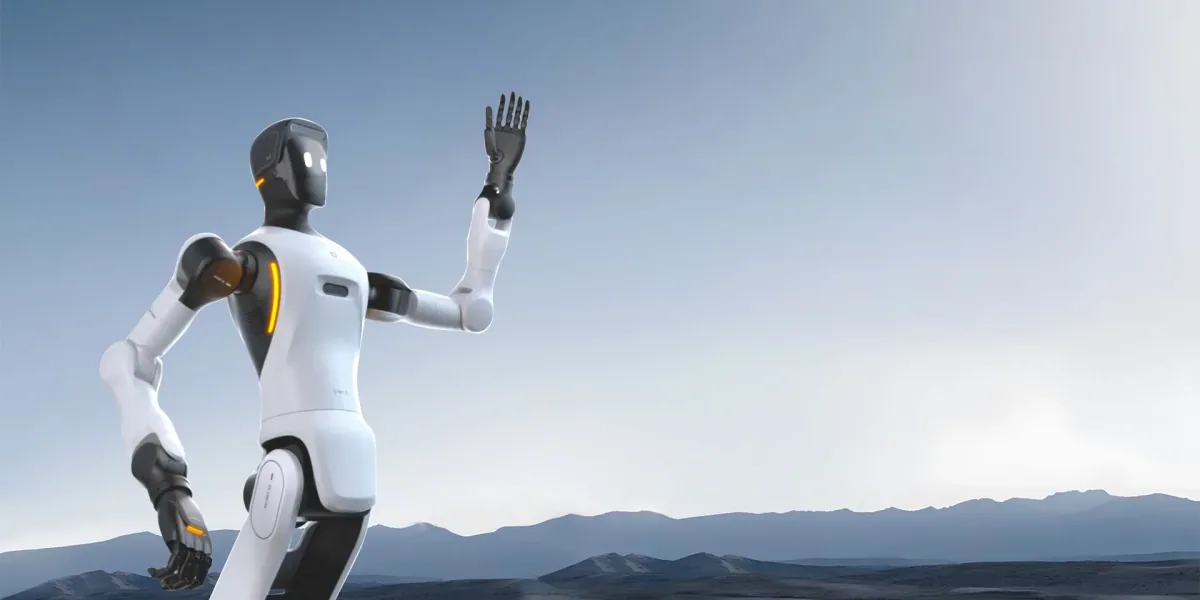
Robot waiter price vs a humanoid: which to buy
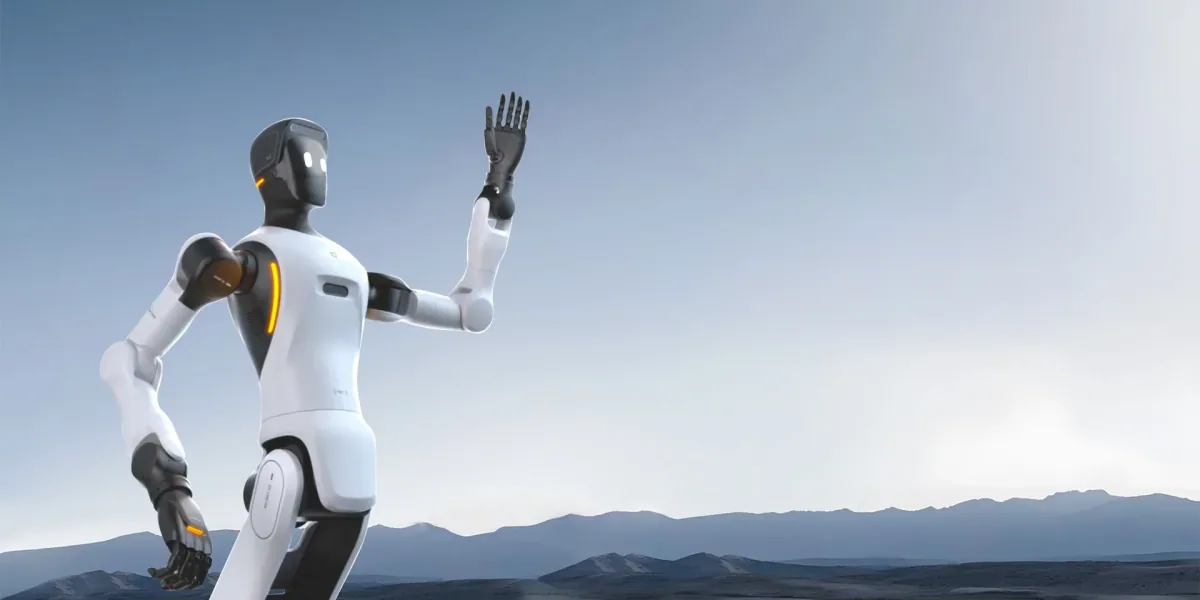
If the job is carrying plates from the kitchen to the table, buy a tray delivery robot. Robotoplus does not sell one, and a humanoid is the wrong machine for that job. A humanoid earns its place in a restaurant or hotel doing what a tray robot is not built for: greeting at the door, answering questions, walking a guest to a table or a room, and being the thing people stop to photograph.
| Job | Better fit | Why |
|---|---|---|
| Plates from the pass to the table, every service | Tray delivery robot | Built around trays and a mapped route |
| Greeting and answering questions at the door | Humanoid such as the X2 Ultra | Microphones, speaker and gestures, with your own language model |
| Leading a guest to a table or a room | Either, on a step-free route | Needs mapping and navigation for your floor |
| Drawing attention at an opening | Humanoid, rented by the week | Presence is what the evening pays for |
What does a robot waiter do?
The machines sold as robot waiters are delivery robots on wheels. Pudu's BellaBot is a common example: its maker describes modular trays, navigation by LiDAR and visual SLAM, and calling it from an app or a button device. It has no arms, so a person still puts plates on and takes them off. That is the right design for the job. A server stays near the tables while the robot makes the trips.
We do not quote a price for one, because we do not sell one. Ask its maker or local distributor.
Can a humanoid carry plates instead?
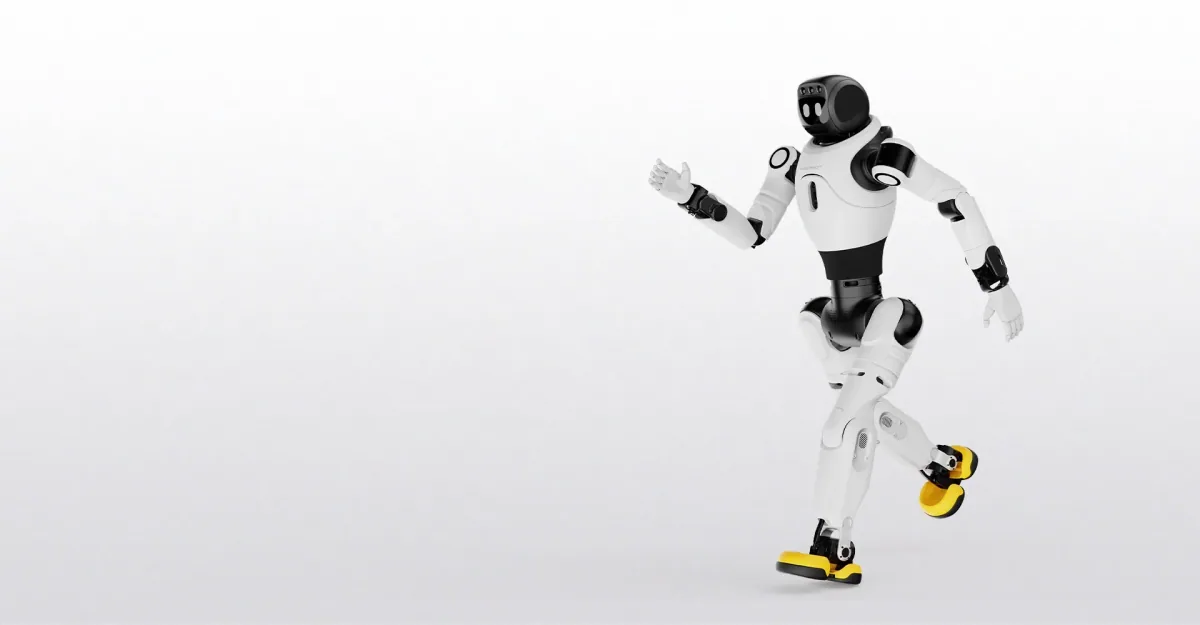
It can hold a light object, but that is not what it is for. The X2 Ultra publishes a payload of 3 kg at most, 1 kg or less across the full range, and the A2 Ultra approximately 2 kg. Walking a full plate through a busy dining room on two legs adds balance, spills and people stepping into its path to a job a wheeled tray robot does more simply.
The wheeled G2 carries 5 kg per arm, but it weighs 185 kg, and AGIBOT deploys it in factories. At the 2nd World Humanoid Robot Games in August 2026, AGIBOT reported gold medals in scenario tasks including hotel services, which shows where the work is heading. A competition task is not a Friday evening service.
What does a humanoid do better in a hotel or restaurant?
Front of house. It stands at the entrance, greets arriving guests, answers the questions staff are asked again and again, and with mapping and navigation it walks a guest to a table or to the lift. AGIBOT lists speech, gesture, facial expression and touch among the X2's interaction modes.
With a language model connected, it answers from your own documents: the menu, the opening hours, where the spa is. The account is yours, whether OpenAI, another provider or a local model such as Ollama, and usage is billed to you directly. It is also the part guests remember, which is what an opening night pays for.
What does each cost you?
For a tray robot, ask its maker. For a humanoid, AGIBOT lists the X2 on its own store at USD 24,240 before shipping, duty and tax, and we quote the delivered EU price. Renting is 1,500 EUR a week for the X2 Basic and 2,500 EUR for the X2 Ultra, net of VAT and shipping, and an in-stock unit reaches you inside 48 hours of a confirmed booking. Engineering to set up the greeting, the routes or a language model is 825 EUR per engineer per day on site.
Which should you buy?
Buy for the job that costs your staff the most time. If it is the trips between kitchen and table, that is a tray robot, and we will say so. If it is the door, the questions and the first impression, try a humanoid for a week before you buy one.
Tell us which job you want off your staff's hands. If it is front of house, ask us for a week with an X2 Ultra and a greeting set up for your entrance.