
AGIBOT tops the medal table at the World Humanoid Robot Games
A humanoid-robot competition is not usually where a buyer looks for evidence, and that is the point worth stating plainly: this one is. The 2nd World Humanoid Robot Games ran in Beijing on 26 August 2026, and AGIBOT entered for the first time. The event being in its second year rather than its first matters too: a recurring competition with a returning field of manufacturers is a harder table to top than a debut event with no track record to measure against.
- The count is 46 medals: 18 gold, 16 silver, 12 bronze.
- That total put AGIBOT first on the gold medal table and first on the overall medal table, ahead of every other manufacturer entered, on a debut appearance rather than a returning champion's form. A first attempt topping both tables is the harder result to produce than a repeat win, because there is no prior year's data to tune against, and no home-field familiarity with how the judges score a given event.
- The medals came from four products, not one showcase machine.
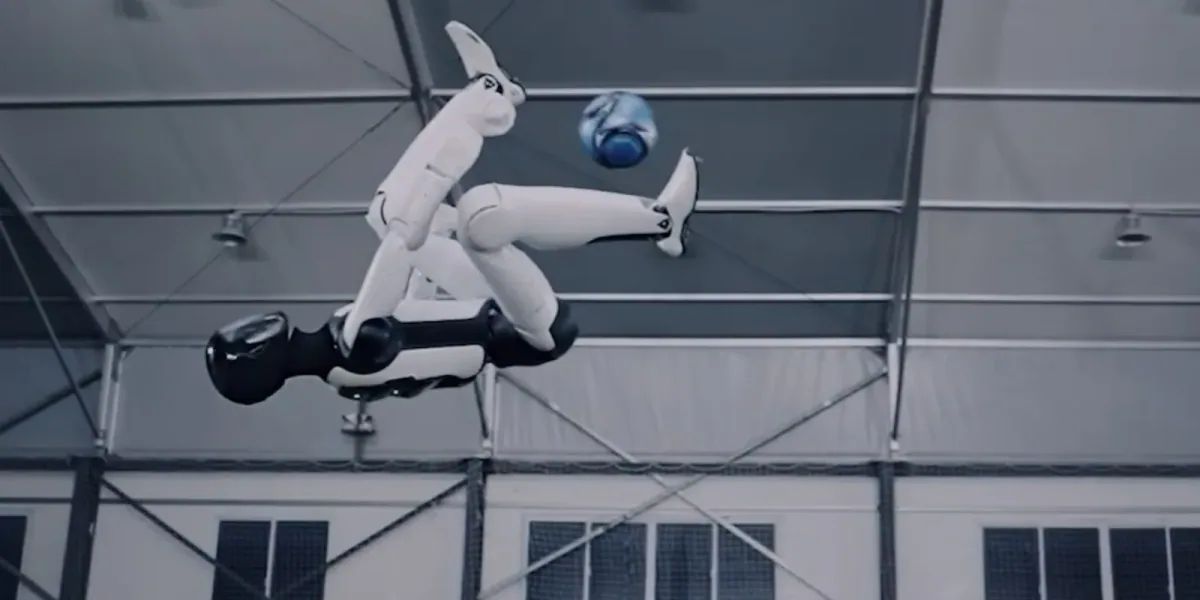
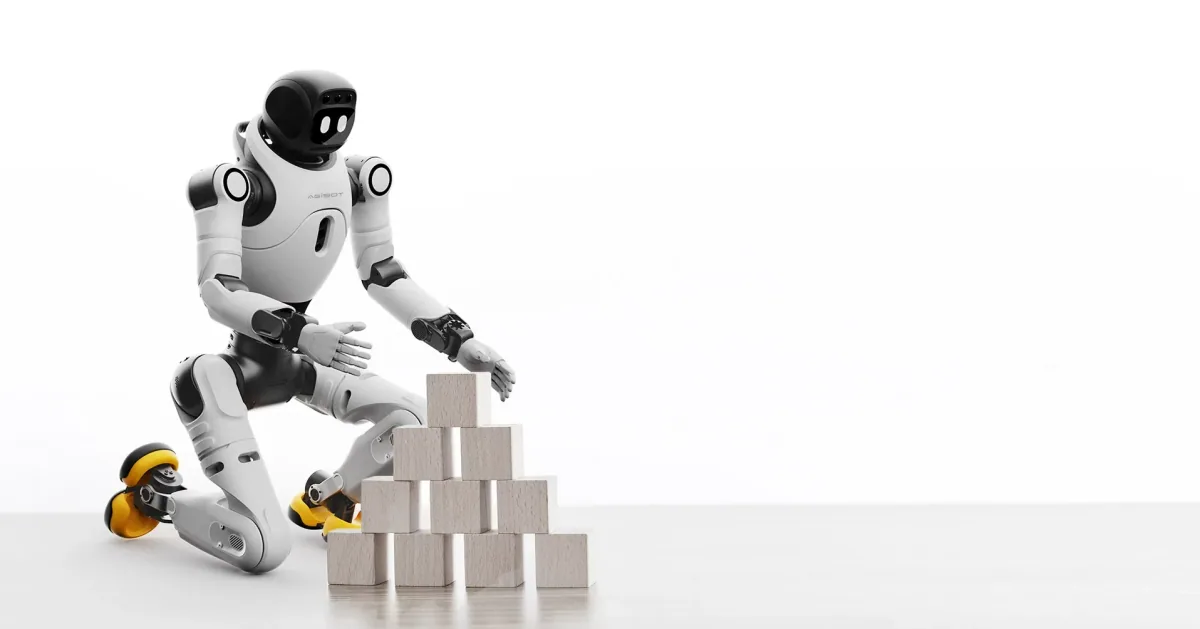
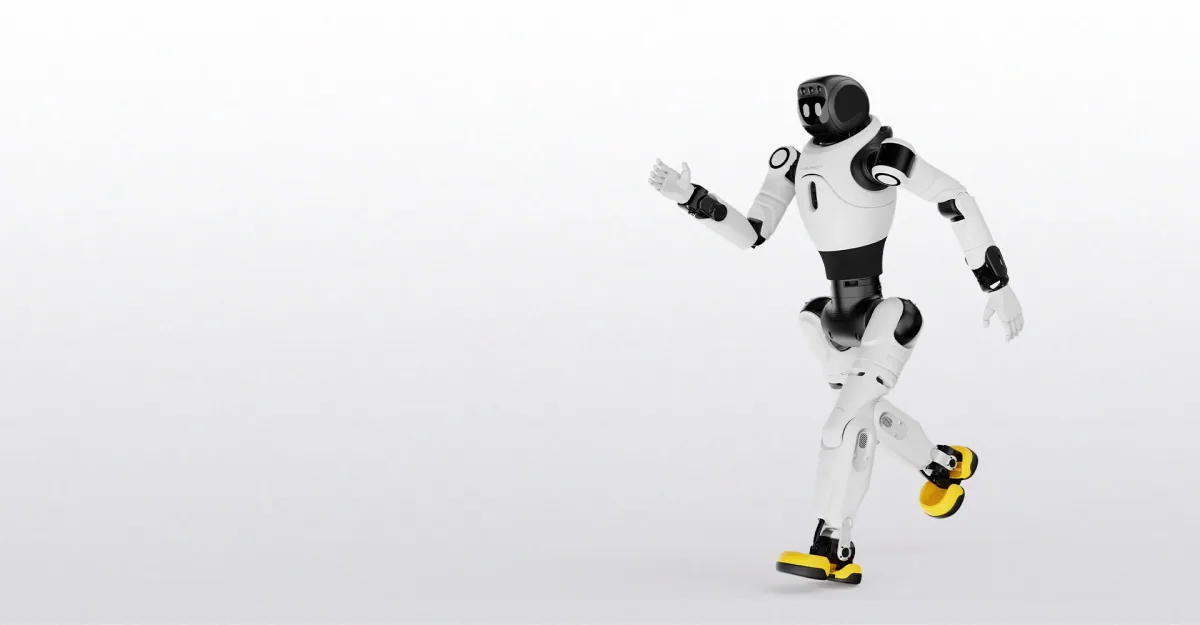
- The dexterous hand OmniHand reached the finals in all eight of its events and won seven golds. The G2 took five golds in scenario-based tasks modelled on hotel service, library work and emergency response. The X2 won gold in the 100m obstacle race and silver and bronze in the 400m. The A3 took gold in Tai Chi. Four different capability classes, four different medal hauls, is a broader result than a single robot doing one trick well, and it is the more useful figure for a buyer comparing manufacturers: a company that only ever shows one machine's one strong event is telling you less than one that fields four different platforms and wins across all of them.
- None of it was built for the competition.
- AGIBOT's own account of the entry is specific on this point: the lineup was mass-produced and already-deployed hardware, not a version prepared for the Games and then retired. The same OmniHand, G2, X2 and A3 that competed are the models in this catalogue.
- A medal table is not a spec sheet, and it should not be read as one.
- It says a machine performed under competition conditions on the day, against other manufacturers' best entries, judged by rules written for the event. It does not say how that machine performs on a named site with a named task, which is why every other page on this site still leads with a specification and a source rather than a trophy count. What it is fair evidence for is narrower and still useful: these are not laboratory demonstrators. They compete, in public, running the software and hardware a buyer can actually book.
- When you compare humanoid robot manufacturers on results rather than marketing, ask for the breakdown, not the headline number.
- A single medal count is easy to state and hard to check. A breakdown by event, and by which specific product earned which medal, is checkable against the organiser's own published results, and it tells you whether a manufacturer's strength is broad or borrowed from one lucky entry. AGIBOT's own release names the products and the events, which is what makes the 46-medal figure worth citing here rather than treating it as an unverifiable claim.