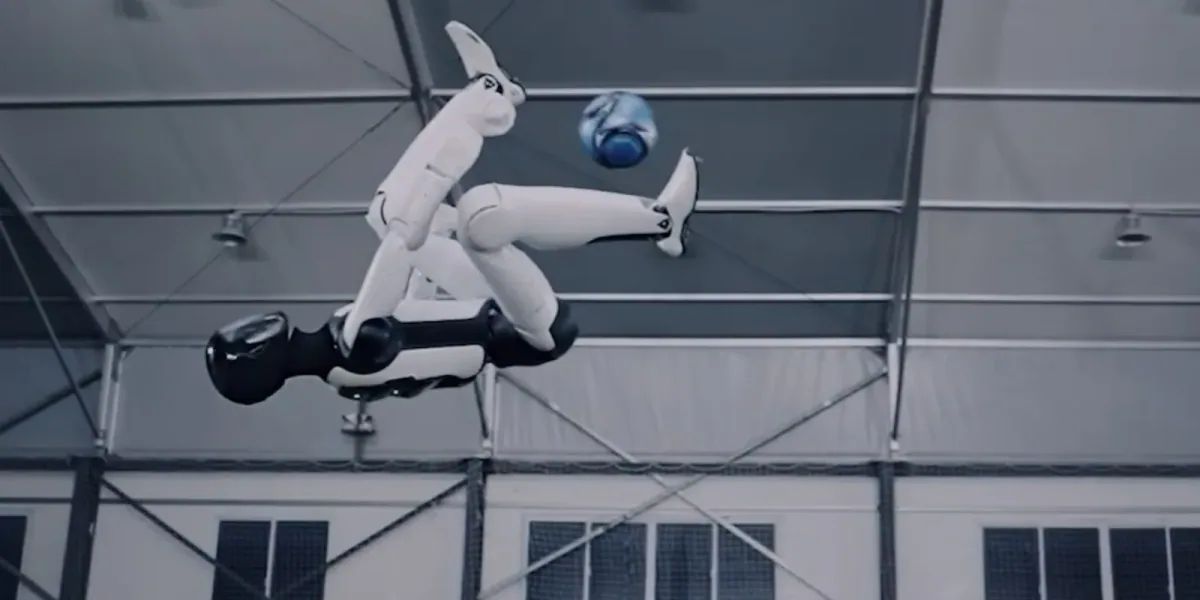
AGIBOT at IFA 2026
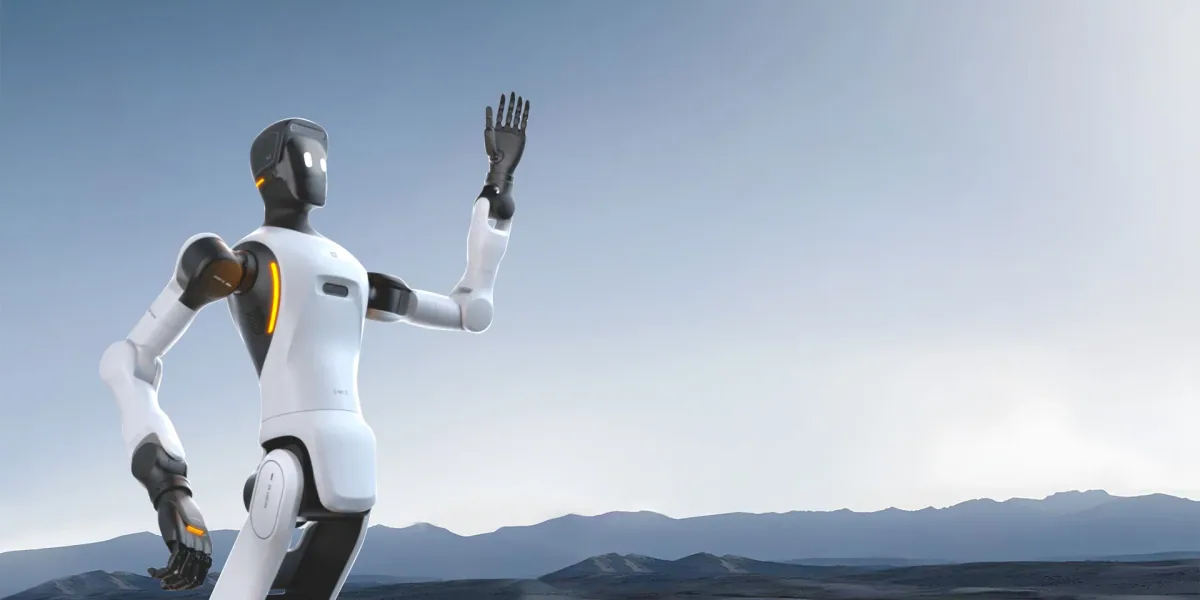
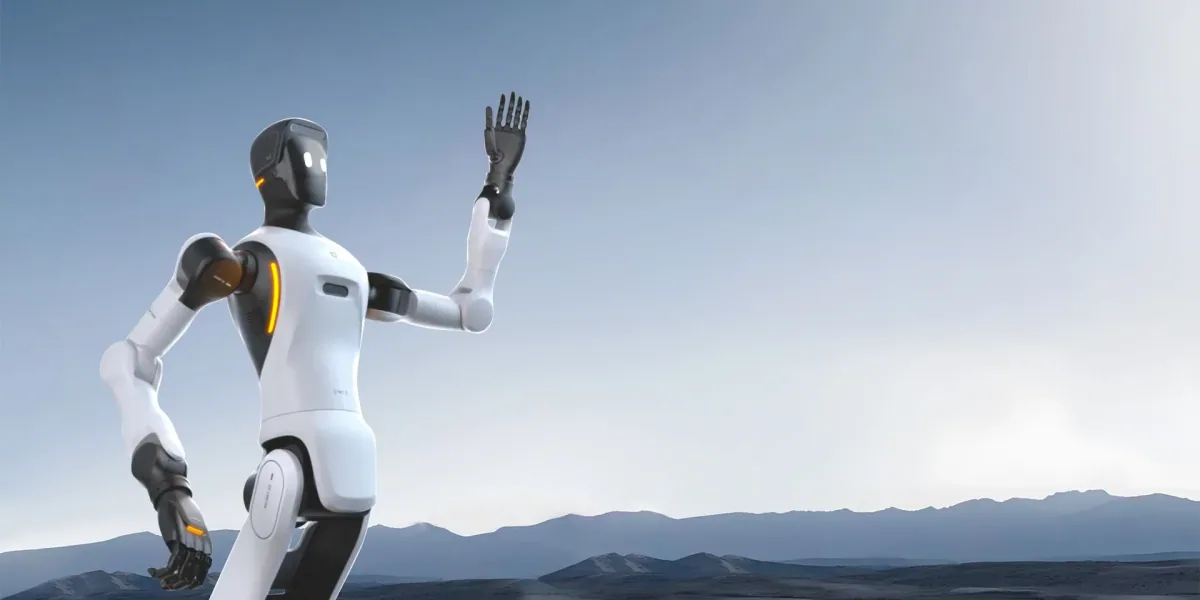
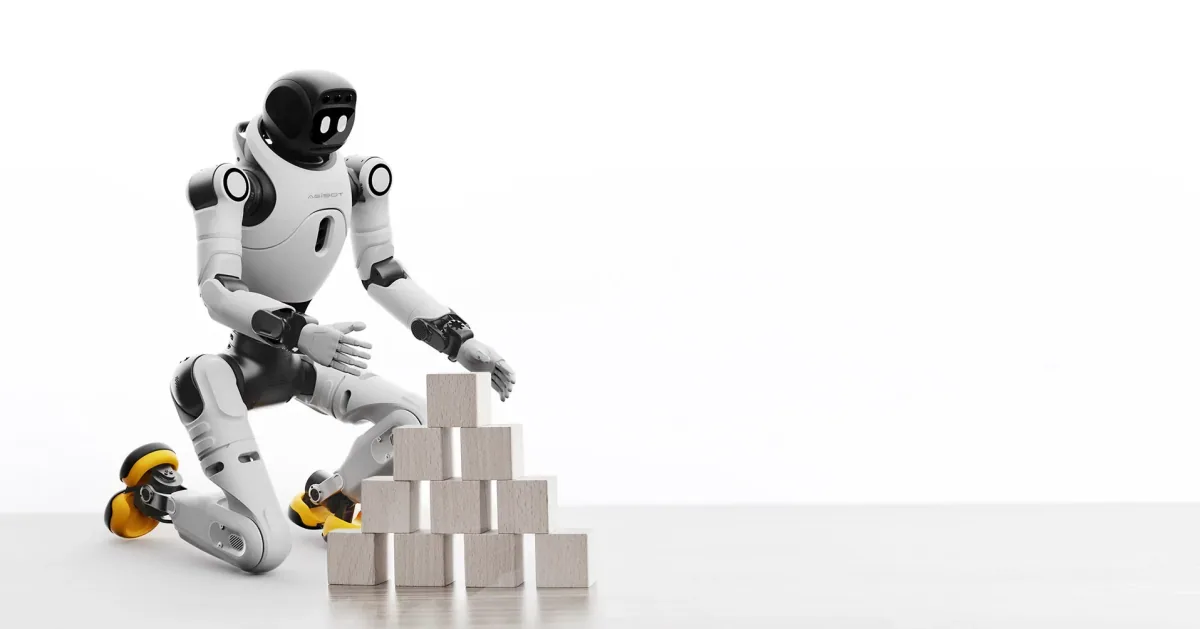
IFA Berlin runs from 4 to 8 September 2026, and two of the platforms we supply in Europe have come out of it with something. The A3, the full-size humanoid, was named a winner in the IFA Innovation Awards. The X2, the half-size one, was an honoree in the same category. We were not on the stand, so this is a reading of the award list, not a report from the hall.
- Which award this is, and who gives it.
- The IFA Innovation Awards are the show's official programme, run in partnership with Gadgety Awards, and IFA publishes the winners itself. A manufacturer enters, and the entries are judged by what IFA describes as an independent international jury of technology journalists, industry analysts and innovation specialists. Both entries landed in one category, Best in IFA Next and Emerging Technologies, the A3 as a winner and the X2 as an honoree. Neither took one of the headline awards for the show as a whole. TechRadar separately put the A3 in its own Best in Show list for the week, which is a publication's pick and a different thing.
- Why that distinction is worth making.
- At CES in January the same manufacturer collected several honours, and every one of them was a technology publication's own list. We said so at the time, because an award is worth whatever you think of whoever gave it. The IFA result deserves the same plainness in the other direction, and it is easy to oversell: the jury is largely journalists and analysts too. What changes is the process. Four publications each picking a favourite is four opinions. One entered programme judged against shared criteria is a comparison, which is worth more. It is still a judgement about a machine on a stand.
- What the A3 put in front of the jury.
- The category is emerging technology, so the rows that earn a place are the unusual ones, not the big ones. The catalogue publishes 55 kg for a full-size humanoid, a power-to-weight ratio of 0.218 kW/kg, peak joint torque of 320 Nm, and up to 10 h of runtime on dual packs with a 10-second hot-swap. The row that reads least like a specification bump is swarm control: over 100 units coordinated on UWB positioning accurate to below 10 cm. What the catalogue does not publish is a failure rate. It gives 92 automotive-grade tests and a design life, and neither is a mean time between failures, so nothing there tells you how often a unit stops.
- What a jury never has to ask.
- An award is decided in a hall built for showing machines off. The floor is level, power is on the stand, a rope holds the public back, and the manufacturer's engineers are beside the robot all week. On your own site those decisions are yours, and they are what a day turns on: where the power is, how close people may stand, who is on the ground when the machine needs a hand, and what happens in the half hour it is off its feet. A jury never had to answer any of that, so an award cannot.
Nor does an award decide which of the two belongs in your room. The A3 is the full-size machine, the one that stands through a trade day on packs that swap rather than charge. The award names the X2, and both trims are on our fleet. The Ultra is half-size, at most 3 kg and 1.8 m/s, and it returns to its own docking station, so about two hours at 0.5 m/s is not its whole day. Where visitors queue to interact at close range, the smaller machine is the easier guest. Where the robot has to read from the back of a hall, it is not.
Both X2 trims are on the fleet we rent. The A3 is not: it is a machine we supply rather than one you can book by the week, and saying so is more use than letting an award imply otherwise. An award tells you a robot convinced people who look at robots all year. A day in your own room tells you whether it convinces yours.