What it does
Photography and published figures from AGIBOT, the manufacturer of this model.
Made to be looked at
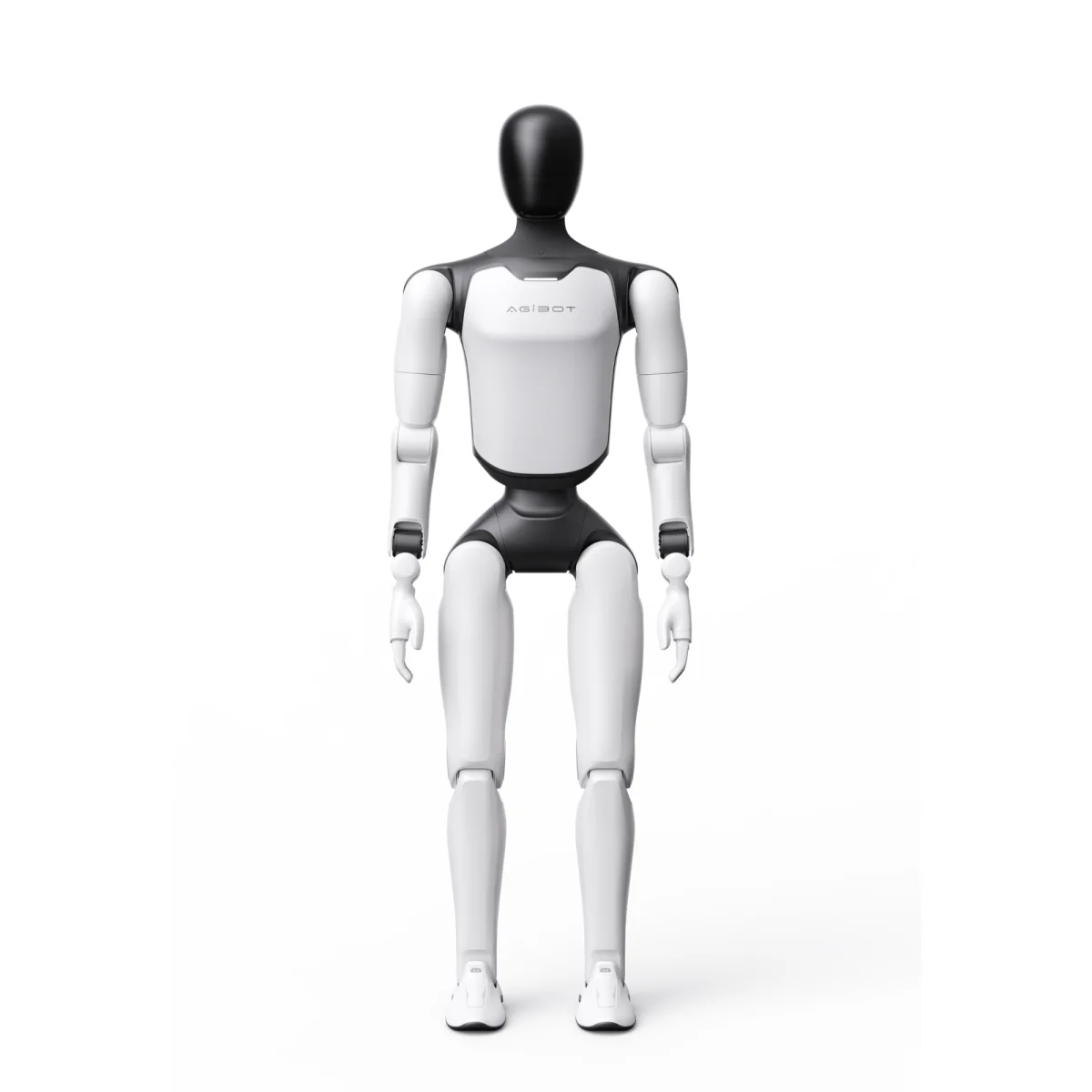
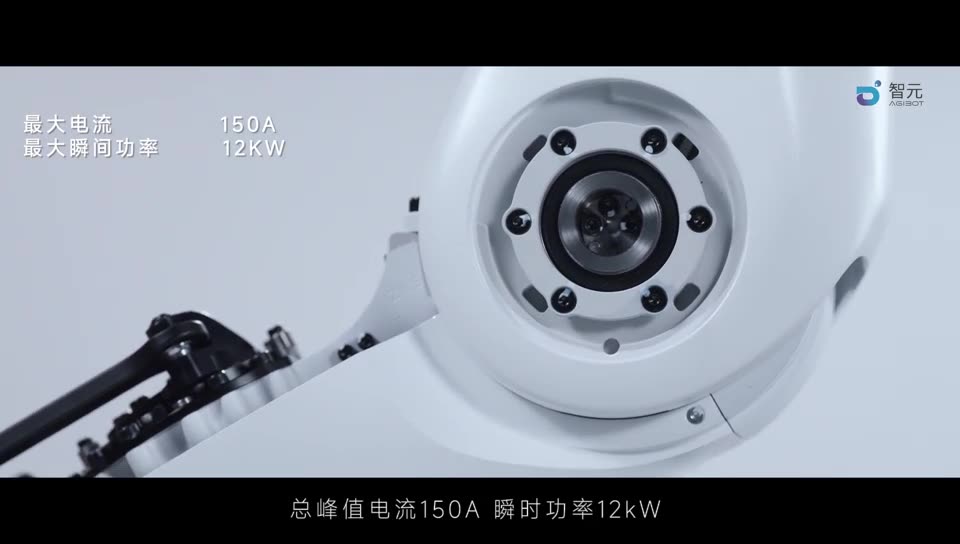
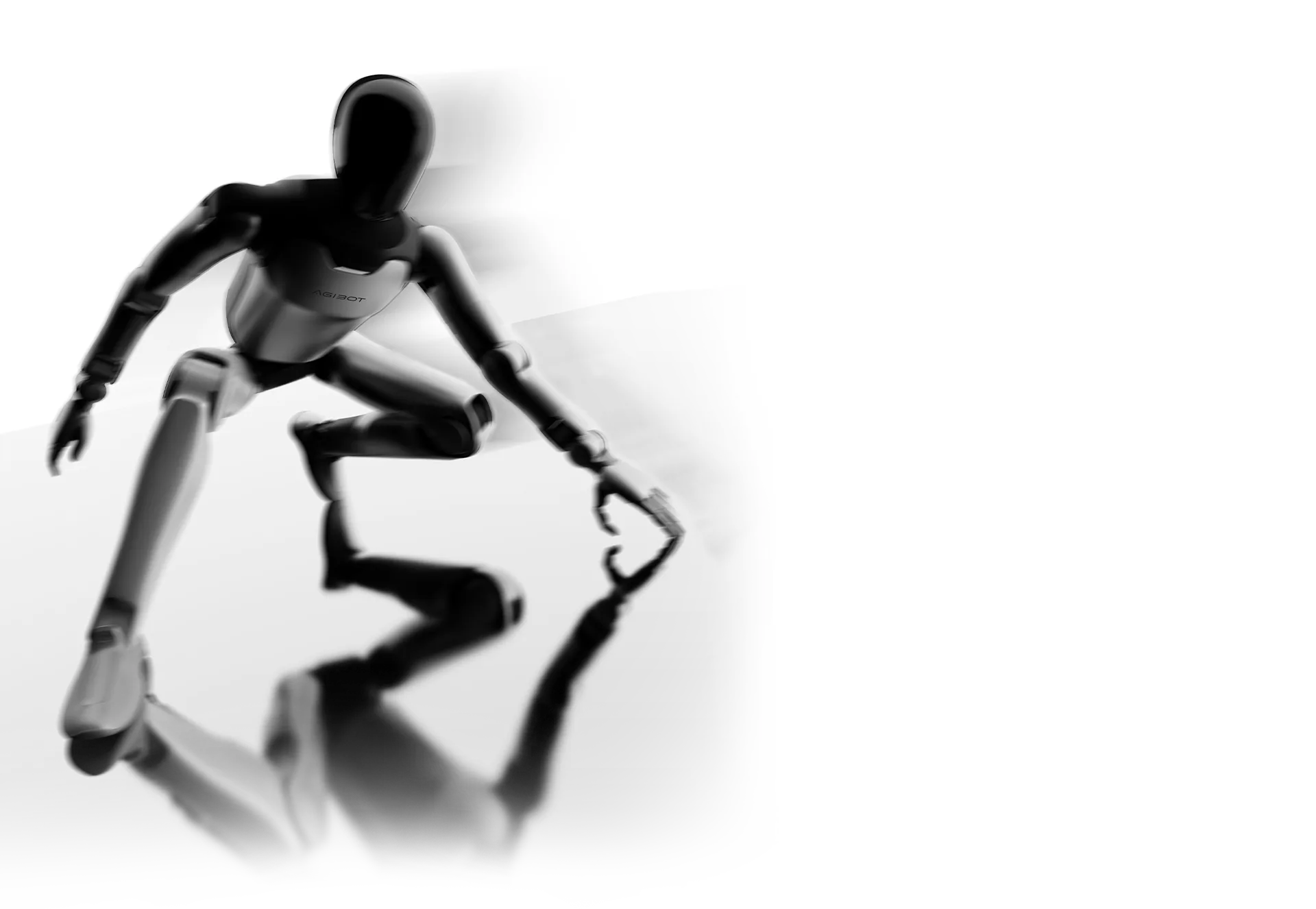
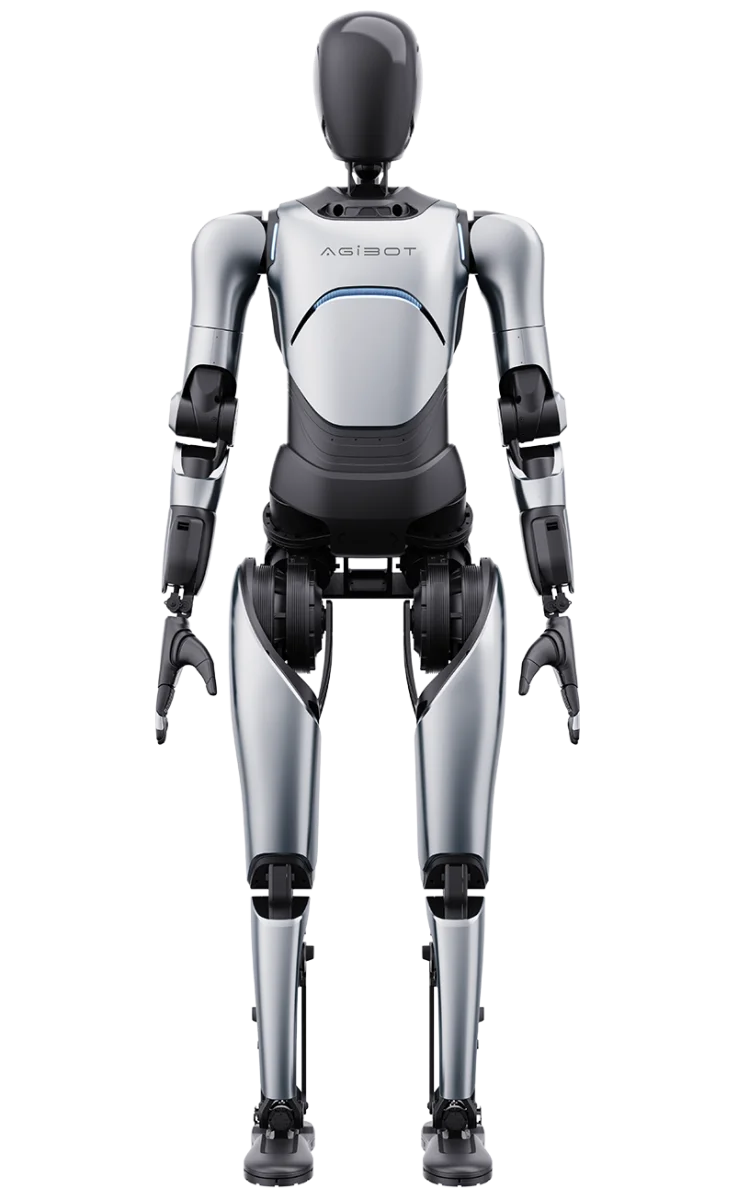
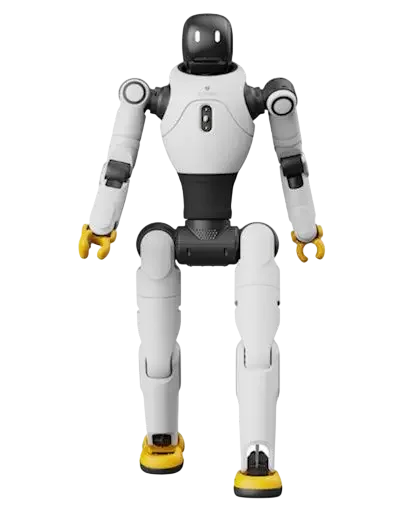
173 cm and 55 kg, built in magnesium, titanium and TPU. AGIBOT puts the power-to-weight ratio at 0.218 kW/kg, which is what lets a machine this size move like a performer rather than a forklift.
A hundred of them, in step
UWB positioning accurate to better than 10 cm keeps over a hundred units synchronised, and an eight-channel microphone array handles the close-up half of the job.
Shown in motion
Silent excerpts from footage published by AGIBOT, the manufacturer of this model. Each one shows something a still photograph cannot.
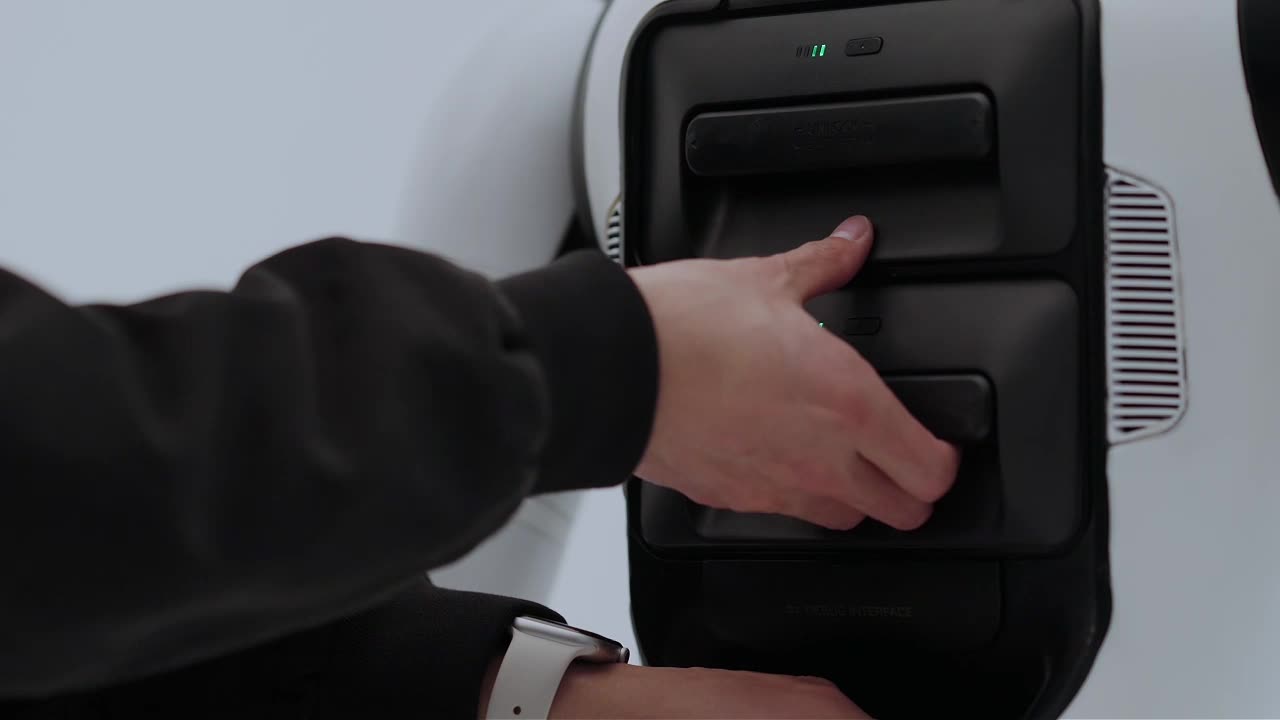
Two packs, swapped by hand
The A3 carries dual battery packs rated 1152 Wh, and AGIBOT puts a swap at ten seconds. The clip shows one module released, drawn out and put back, with no tools involved. Runtime is the figure that decides whether a platform covers a shift, and a swap routine is something a floor plan has to make room for.
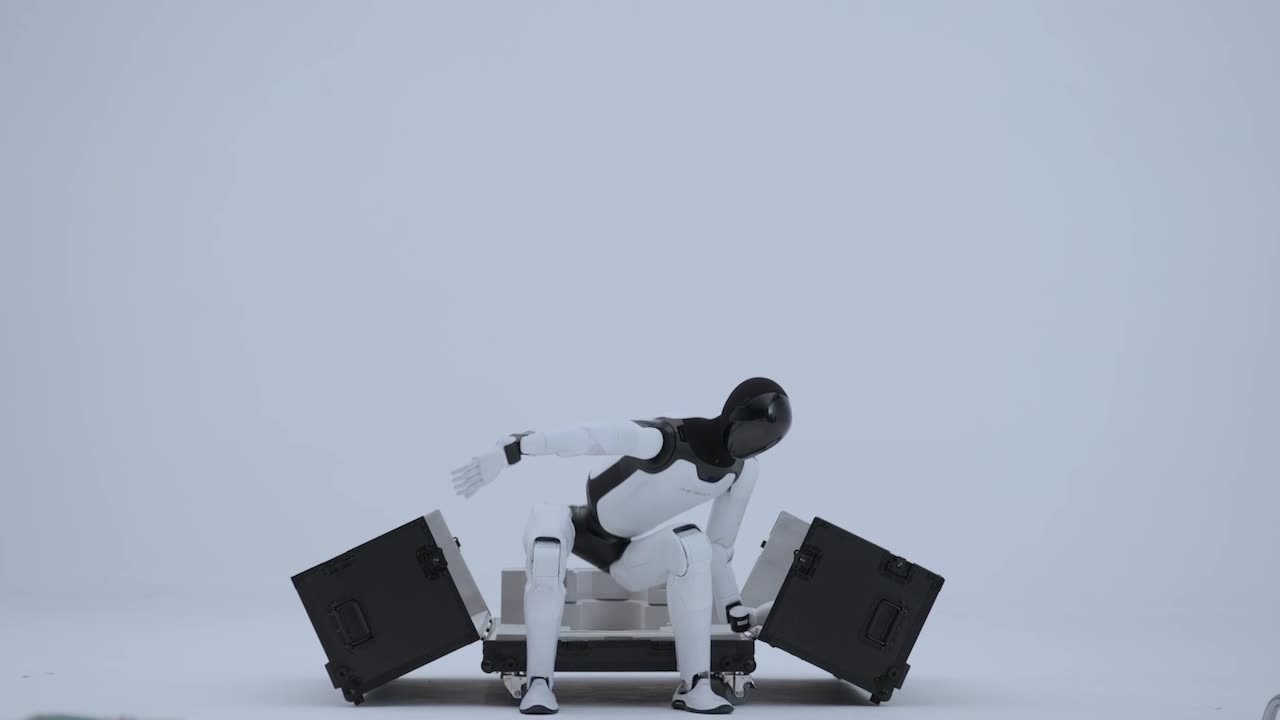
Out of the flight case
The A3 ships folded into a wheeled flight case, and the clip runs from packed to seated. AGIBOT does not state whether the sequence is autonomous or driven by an operator, so read it as a demonstration of the packing geometry rather than of autonomy.
The variants, and what changes
These trims share the base platform, so the useful comparison is not the full parameter table repeated for each one but the rows where each one says something different. Where a variant is a mirror-image build with an identical specification, there is nothing to tabulate and we say so instead of inventing a difference.
AGIBOT A3 Developer
The A3 supplied as a development platform: the full-size humanoid with the software access a team needs to build on it rather than operate it. Specification follows the standard A3, including the published 173 cm frame, 31 degrees of freedom, 5 kg per arm with an actuator fitted and up to 10 h runtime with hot-swap packs. Aimed at groups writing their own application layer, not at a production cell.