Company anniversary celebration ideas, and where a robot fits
A company anniversary has an awkward guest list. Some of the people in the room were there on the first day, some joined last spring, and the customers and partners know the company differently from both groups. Ideas that suit one group tend to bore the other two, so decide what each should leave with and build the programme backwards from that.
- Let the first people tell the history, briefly.
- Anniversary events work when the early years are told by the people who were there rather than by slides. Ask two or three of the longest-serving colleagues for a minute each, thank the rest by name, and keep every speech short enough that the room is still listening to the last one. A wall that sets the first product, the first price list or the first photograph of the premises beside the newest ones costs little and gives guests something to read while they queue for a drink.
- Give the middle of the evening an activity, not another speech.
- What works across ages is anything that makes people who do not work together talk: a memory table with name cards, one photograph of everyone at once, a time capsule sealed with notes to be opened at the next milestone, a short tour of the place where the product is made, a quiz about the company's own history. Customers and partners are there to see that the company is still going somewhere, so seat them with the people they deal with and show them something they cannot see at work.
- Where a robot earns its place.
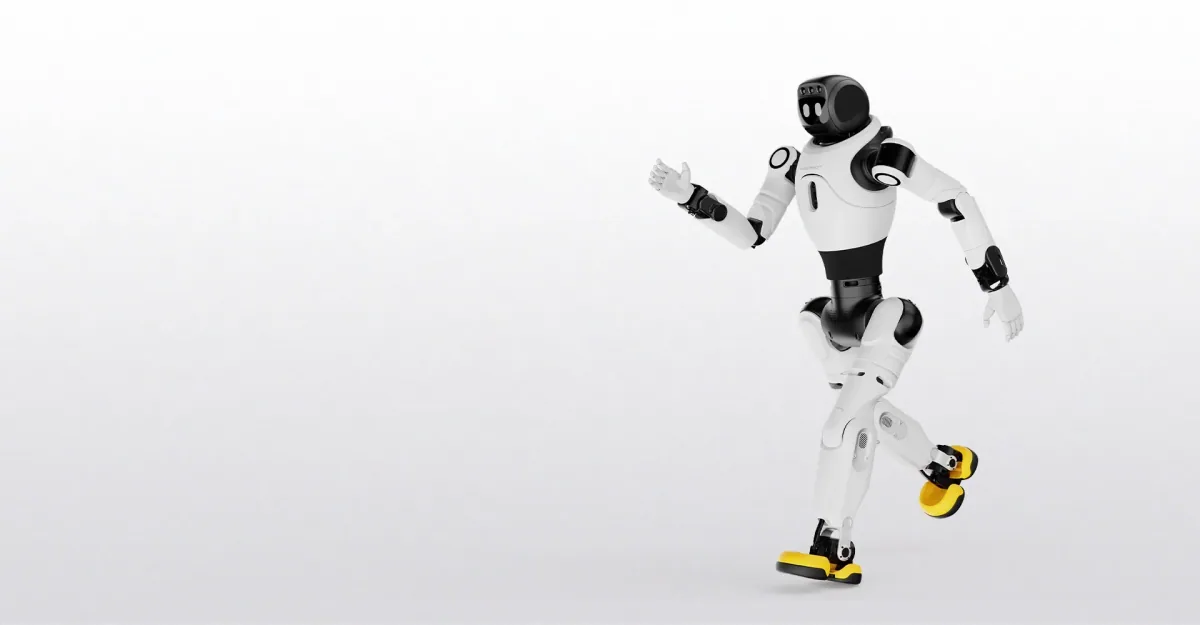
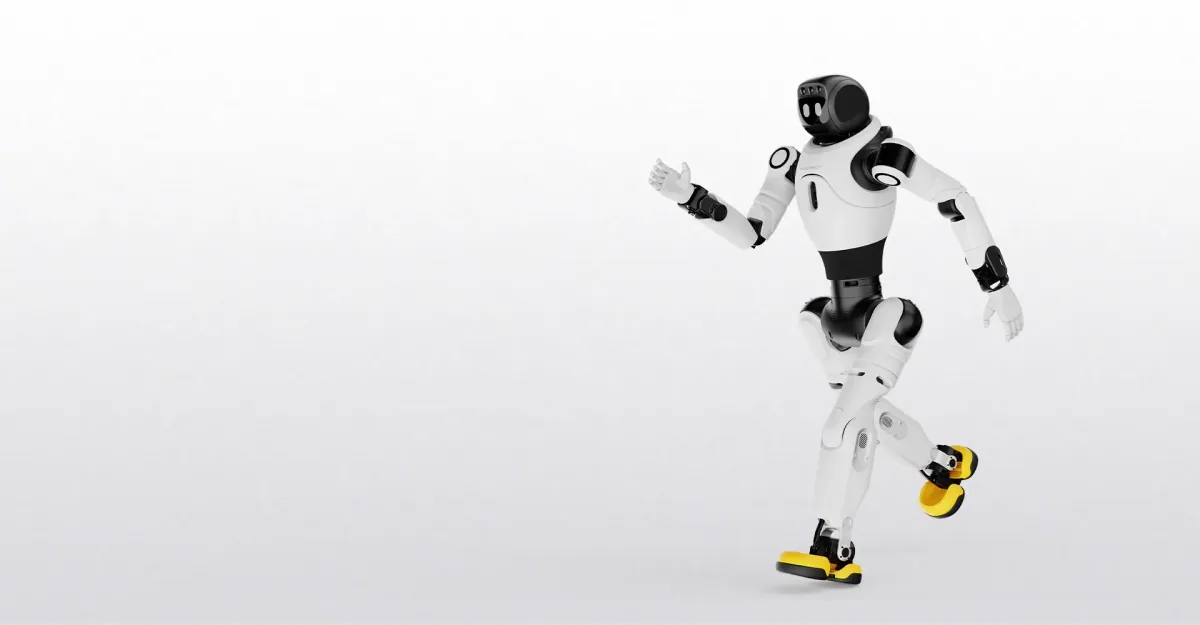
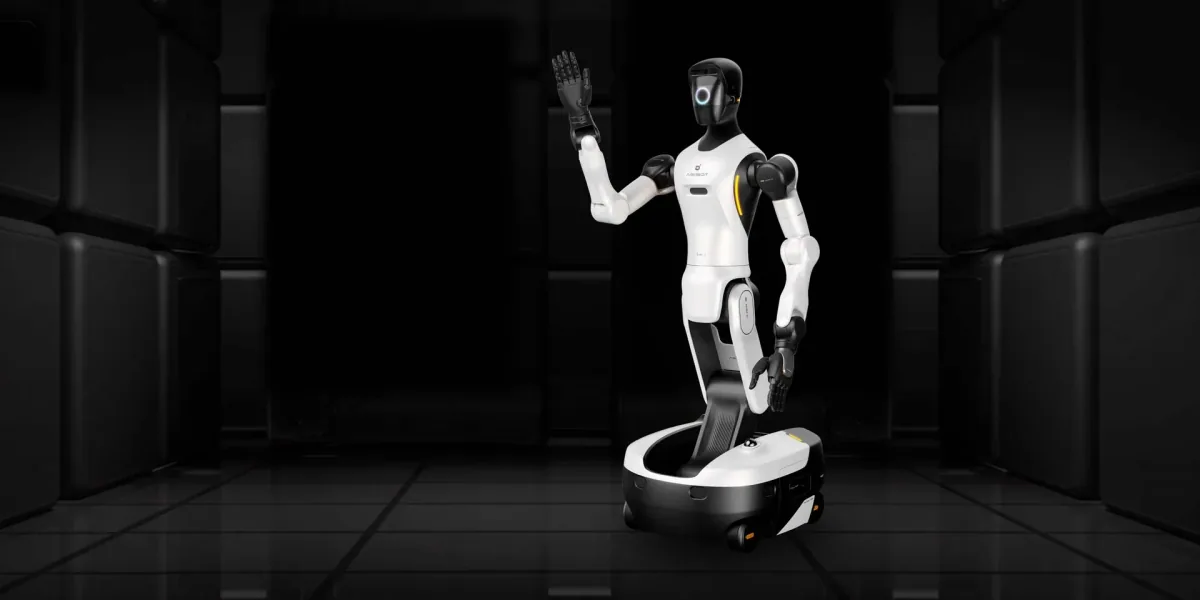
- What none of the other ideas can do is put the next chapter in front of guests. For a company that makes, services or sells anything technical, a humanoid at the end of the timeline wall turns what comes next into something guests can look at, photograph and ask a question of. Height decides how it is used. At about 131 cm the X2 is photographed from above, which suits children and a seated crowd, from the edge of its marked safety area; the A2 Ultra at 169 cm meets a standing adult at eye level. AGIBOT's manuals list more than 20 actions the X2 performs on a voice command, and its X2 page names complex dance routines among what it supports; a routine timed to your own music is engineering agreed before the day, not a setting. What the robot adds is a focal point in the arrival hour, when guests have not yet found anyone to talk to.
- Where it does not fit.
- It does not give the speech or the toast, and it does not carry glasses through a crowd. In a seated dinner it stays at one marked place and guests come to it between courses, because a walking machine among plates and chairs is a risk. Nor does it last the evening on one battery: the A2 Ultra publishes about 3 h standing and 1.5 h or more walking, the X2 Ultra about 2 h at 0.5 m/s with up to 1.5 h to charge, so the evening runs in blocks with a charge or a pack change in a real gap. And think about what it says to guests whose own work it resembles. At the entrance, with nothing explained, a humanoid can be read as an answer to the question of what happens to that work. Beside the timeline, introduced as the next chapter, it starts a conversation instead.
The milestone changes the weighting. A tenth year is usually about growth, often with the founders still in the room. A 25th or 30th is two generations at one table. A fiftieth is heritage, with families and retired colleagues, and the robot shrinks to a short coda at the end. Send us the date, the venue, the programme and who is invited, and ask what is free on that date: you get a figure against your dates.