
Peak joint torque predicts a lift, and the heavier robot is not always the stronger one
A taller or heavier platform reads as the stronger one on a showroom floor, and the torque figures on the spec sheet do not always agree with that impression.
- Torque, not size, is what predicts whether a joint can actually lift or push against resistance.
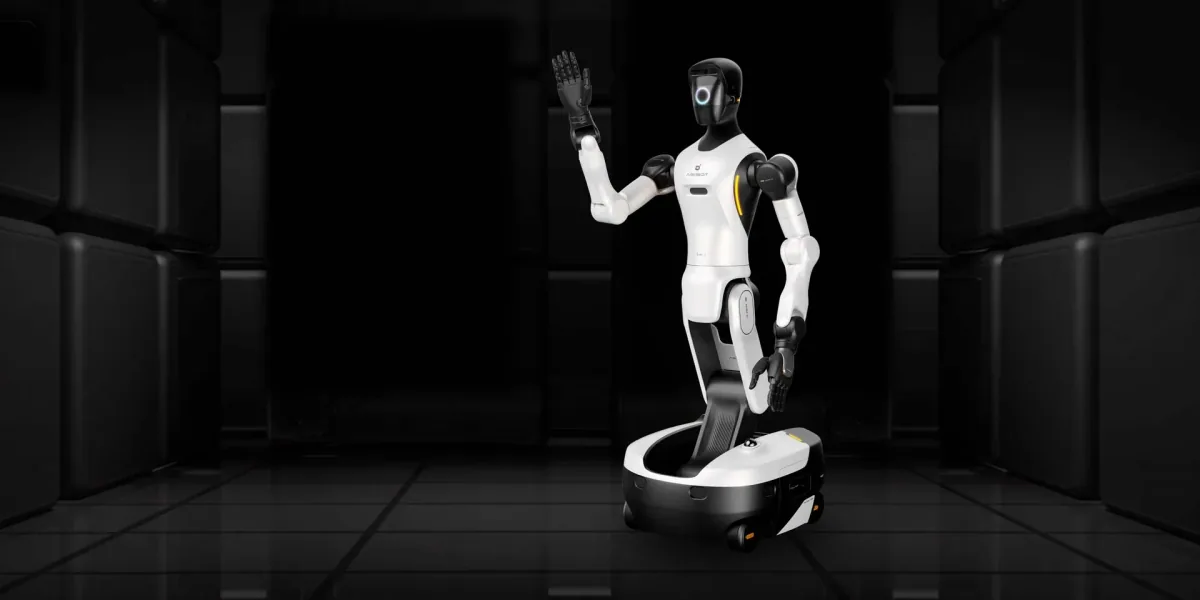
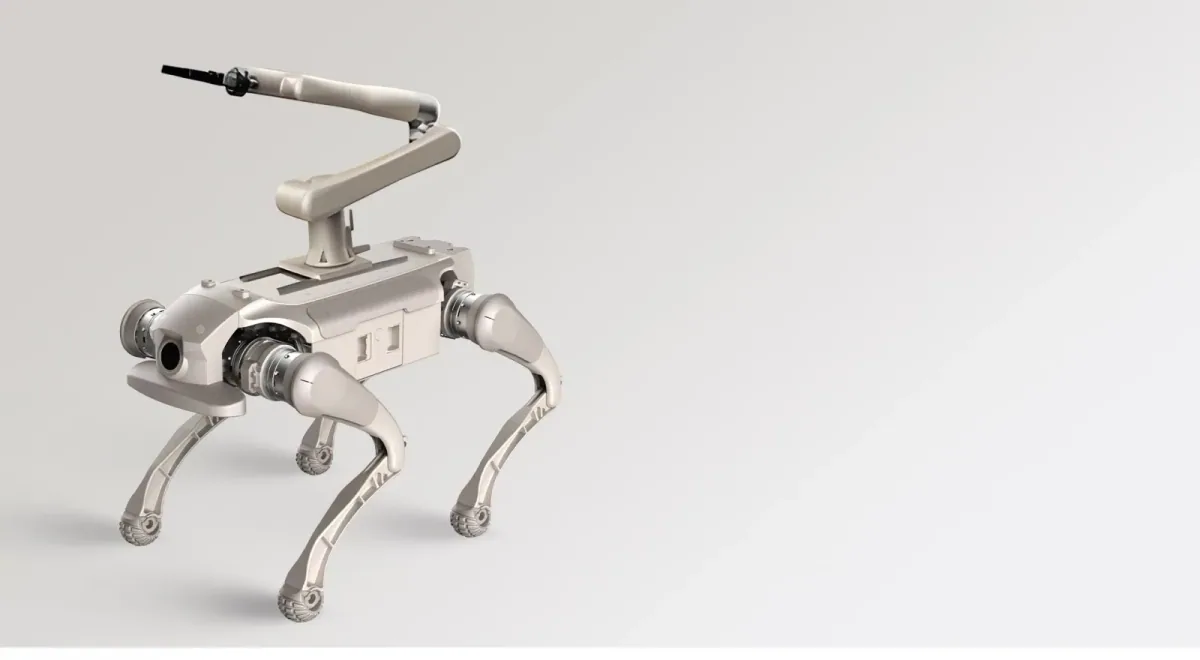
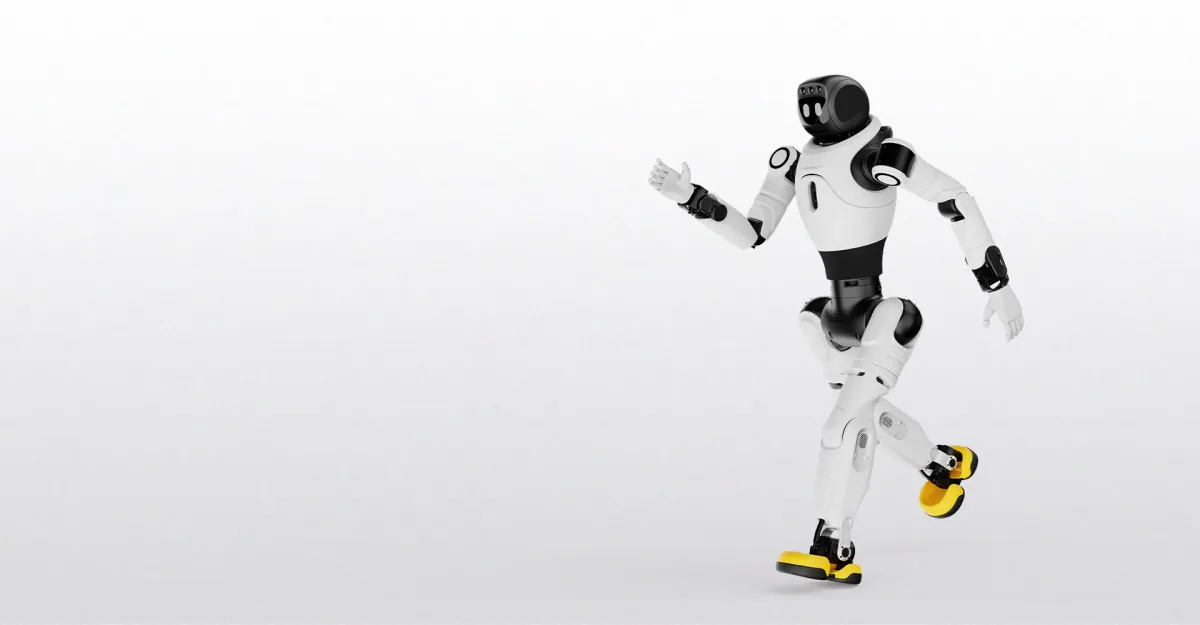
- The A2 Ultra's peak knee torque is 270 N·m. The A3 and A3 Ultra, built on a different chassis, both peak at 320 N·m, higher than the A2 Ultra. The X2 Basic, a smaller bipedal platform, peaks at 120 N·m, and the D1 Ultra, a 16 kg quadruped, peaks at 48 N·m at each leg joint. Height happens to put these machines in the same order; weight does not, because the A2 Ultra, at 69 kg, outweighs the 55 kg A3 and still peaks lower. Torque depends on the actuator built into a given joint, not on how much machine surrounds it.
- A humanoid comparison by torque alone also compares apples to a different fruit.
- The A2 Ultra and the A3 pair publish a single peak figure for their strongest joint, usually the knee, while a full accounting of what a platform can lift depends on which joint is doing the work and at what angle, information a headline torque number does not carry on its own. Reading "270 N·m" as "this one lifts more than a 120 N·m platform" is usually right; reading it as a precise predictor of payload without checking the joint it applies to is not.
- The quadruped figure looks small next to the humanoids and is answering a different question entirely.
- The D1 Ultra's 48 N·m is a per-leg joint torque on a 16 kg platform built for locomotion over rough ground, not for lifting a load in a fixed position, so setting it directly against a humanoid's knee torque compares two joints doing entirely different jobs.
The number worth asking for, before any of the above, is which joint the published torque figure describes and what task it is meant to perform. A peak figure without that context is a number, not yet an answer.