What sensors are actually equipped before a robot gets called 'autonomous'
"Autonomous" on a spec sheet is a claim about software sitting on top of a specific, checkable parts list, and the list is shorter than the word implies on more than one AGIBOT platform.
- LiDAR and RGB-D are the Ultra-tier option on the X2 and A3 lines, not the standard one.
- The X2 Basic ships with neither, by AGIBOT's own listing; the X2 Ultra adds 3D LiDAR, an RGB-D camera and front and rear cameras. The base A3 ships with two RGB cameras, GPS and UWB positioning and no LiDAR or RGB-D at all; the A3 Ultra adds LiDAR, RGB-D and GPS-RTK to that same camera pair. Buying "the A3" or "the X2" without checking which trim is on the order is how a spec sheet's autonomy claim and the crate that actually arrives come to disagree.
- The two platforms this catalogue lists in a single trim carry LiDAR and RGB-D as standard.
- The A2 Ultra is the only A2 listed here, and its sensor line reads: LiDAR, RGB-D, a fisheye camera, stereo cameras, a microphone array, force and torque sensing and an IMU. The G2 is the other platform listed here in a single trim, and its own listing counts two 3D LiDAR units, three fisheye cameras, a binocular camera, three RGB-D cameras, eight ultrasonic sensors, an IMU and a four-microphone array. Neither is listed here as a bare version, but AGIBOT's own table sets the A2 Ultra beside an A2 Lite with no LiDAR, RGB-D camera or fisheye camera, so check the model name on an A2 order as well.
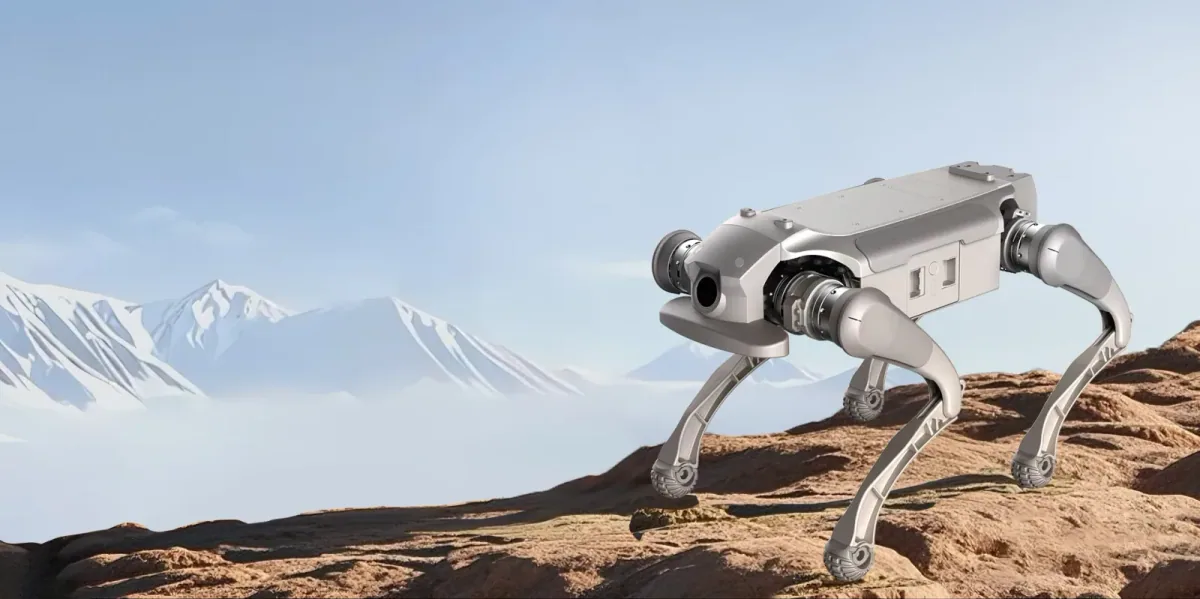
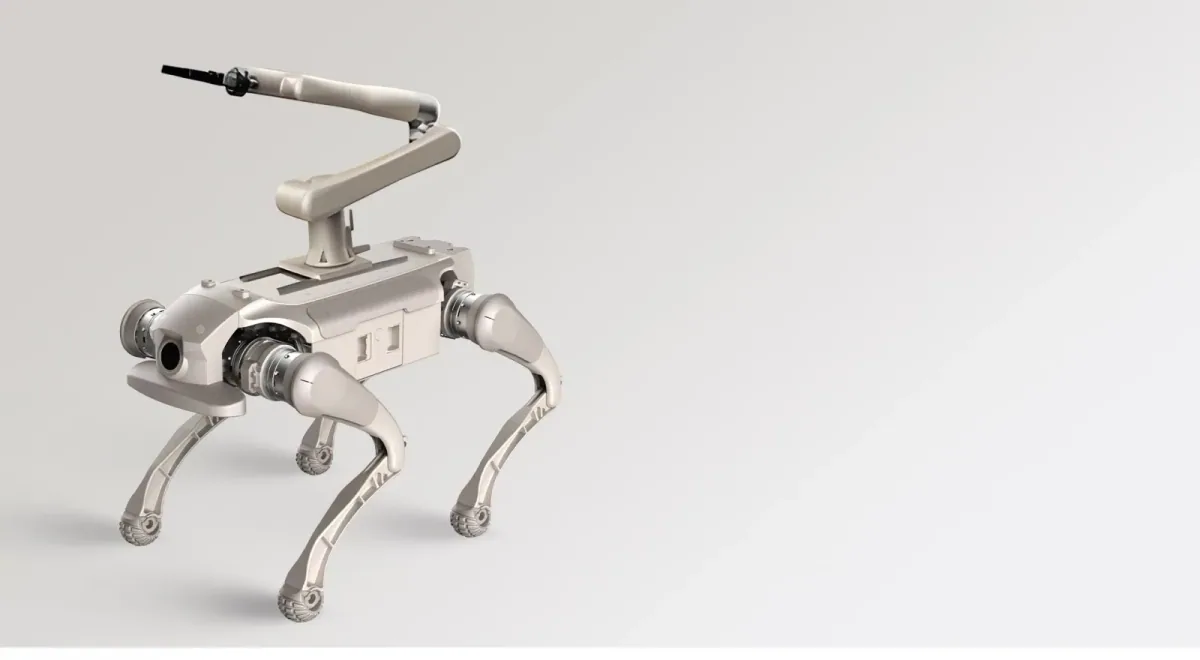
- The quadrupeds' camera and LiDAR specs trade off against each other, and the D1 Max and the D1 MaxPro make different trades.
- The D1 Max carries two 96-line LiDAR units, front and rear, covering a 120 m diameter across a 360-by-90-degree field, alongside GNSS-RTK, ultrasonic sensing to 5 m and four auxiliary lights, plus two FPV cameras at 8 megapixels with a comparatively narrow field of view. The D1 MaxPro keeps the same line count on a single front unit but states an accuracy figure the D1 Max's own listing does not, 1.5 cm, and swaps the D1 Max's narrower cameras for two wide-angle 2-megapixel units instead. Neither spec sheet is simply better than the other: one buys two-sensor coverage and camera resolution, the other buys a wider field of view and a stated accuracy number, and which trade matters depends on whether the job is spotting a small defect or covering a wide approach.
- LiDAR and depth sensing are what let a platform find something nobody showed it, not what let it move.
- A platform with neither, like the X2 Basic, still walks where a person sends it and plays back a routine of movement and speech composed in advance; what it does not do is find its own way, and AGIBOT's X2 page says this trim does not support autonomous navigation or proactive obstacle avoidance. That is the actual line the sensor list draws, and it is a cheaper question to ask before an order than after a robot arrives unable to do the one thing a proposal assumed it could.
Ask for the sensor line item by item, by platform and by trim, before "autonomous" or "AI-powered" gets treated as a specification on its own. On this range it names a parts list, and the list is not the same on every SKU that shares a platform's name.