Humanoid robot for research labs: the AGIBOT X2
A lab buying a humanoid is not buying a demo. It is buying an instrument that students will write code against for three or four years, that a PhD project will still be running experiments on after the grant that paid for it has closed, and that has to survive being handed to a different research group every semester. That changes what matters. A machine that looks impressive doing a fixed routine is worth nothing to a lab if nobody in the building can get inside it.
- The SDK decides whether it is a platform at all.
- AGIBOT publishes the X2's control layer, AimDK_X2, in both Python and C++, and its table marks customer-side development as supported on the X2 Ultra and not supported on the X2 Basic. That is the difference between a robot a lab can build coursework and papers on and a robot that performs a fixed set of tricks nobody can extend. Python gets a masters student from a working idea to a running experiment in an afternoon; C++ is what a lab needs when the experiment becomes a real-time control loop, and having both in one SDK means the same machine serves an introductory HRI course and a locomotion PhD without a rewrite in between. A closed stack with a demo mode answers neither question, however good the demo looks.
- Degrees of freedom and reach are what decide the research questions the platform can actually support
- , not a specification to admire. The X2 Basic runs 25 active degrees of freedom at 35 kg; the X2 Ultra runs 30 active degrees of freedom at 39 kg. Both publish an arm reach of 558 mm and a payload of up to 3 kg in specific postures and 1 kg or less across the full range. A lab running human-robot interaction studies on the behaviour it ships with is asking questions the Basic's 25 degrees of freedom answer directly. A lab whose research is manipulation, grasping under a learned policy, bimanual coordination, needs the Ultra's extra five degrees of freedom to even pose the experiment: fewer actuated joints is not a smaller version of the same study, it is a different study.

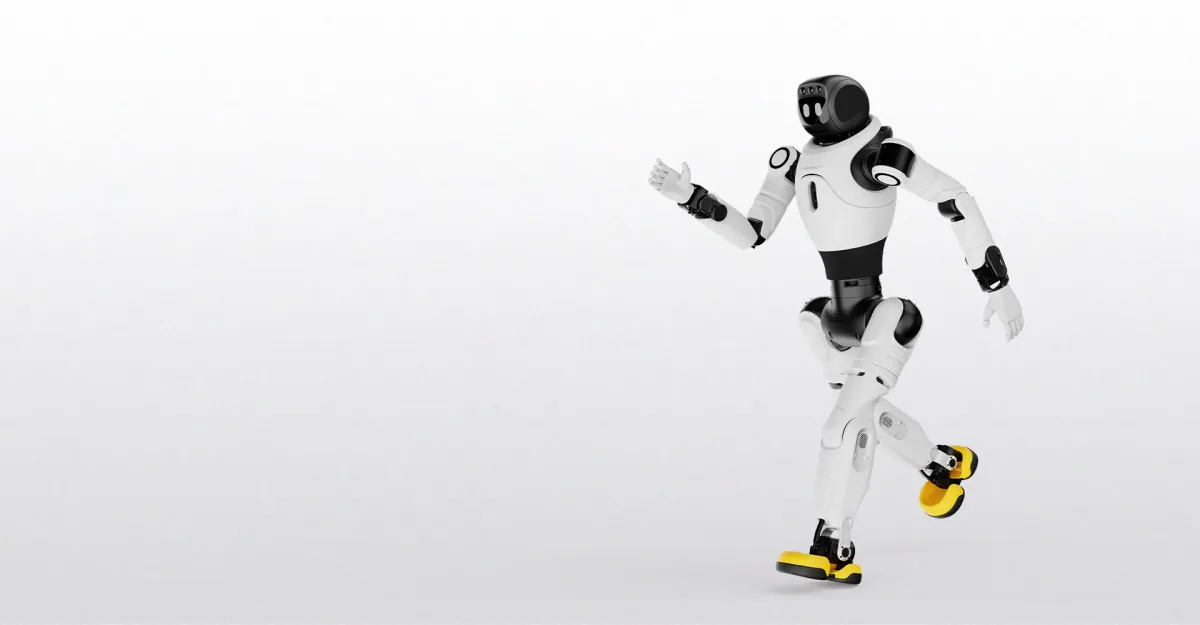
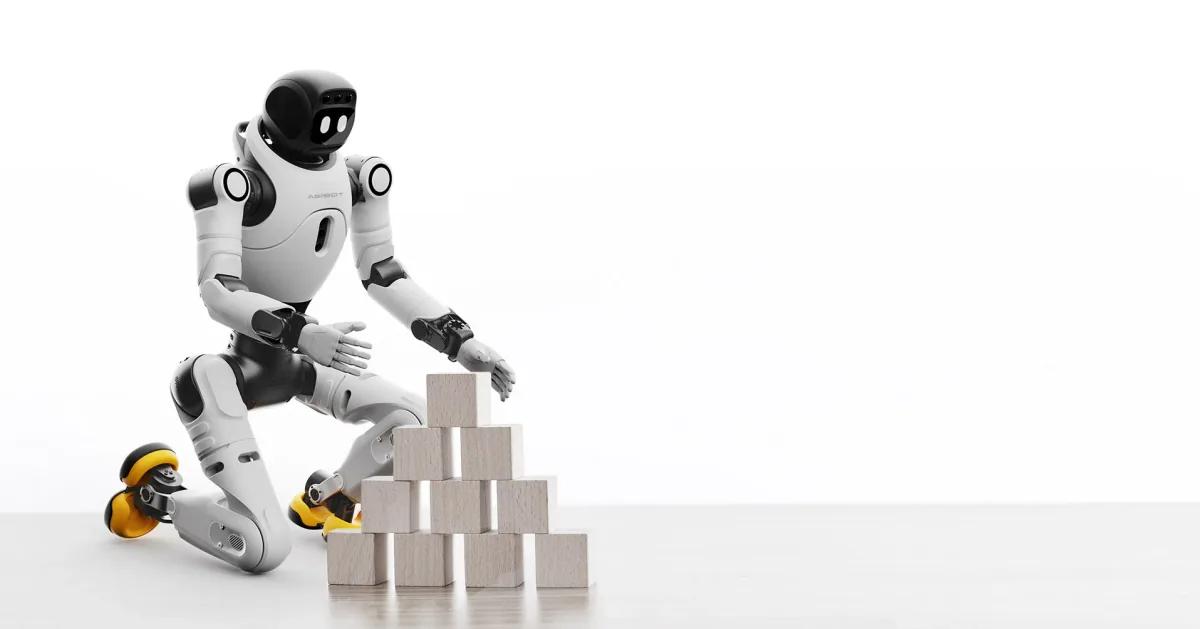
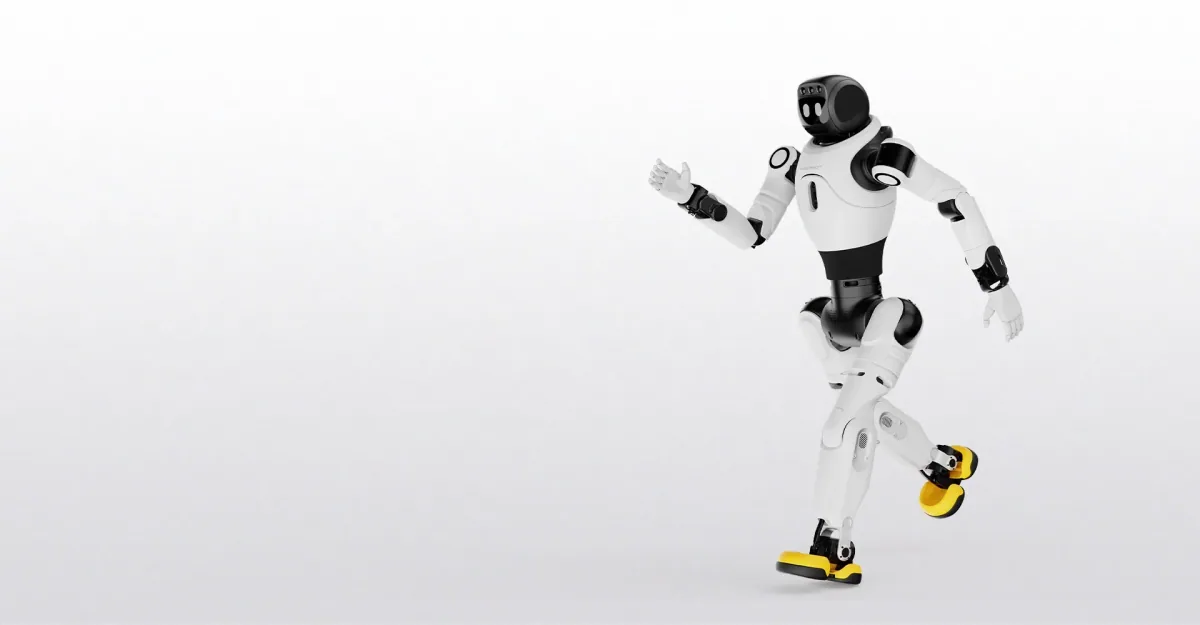
A synthesised cinematic move around AGIBOT's own X2 render, made from a single still. It is not footage of the robot working: the pose is frozen and only the camera moves. It shows the machine this post is about, not a task it performed.
- The two tiers map onto two kinds of lab, and that is the first decision to get right.
- The Basic pairs with demonstration and HRI work that runs on what it ships with. Customer-side development is not supported on it, so a course in which students program the robot needs the Ultra. The Ultra pairs with perception and manipulation research that runs a learned policy onboard, on the NVIDIA Orin NX at 157 TOPS, walking at up to 1.8 m/s. If a lab's roadmap has a policy running inference on the robot rather than on a bench PC feeding commands over a link, the Orin NX budget is the number that decides whether the Ultra can carry it.
- What the catalogue does not publish is worth naming.
- AGIBOT's X2 manuals list more than 20 preset actions the robot performs on a voice command, and those exist for demonstration, not for a research programme; a lab building a thesis on top of a preset routine has built it on the wrong layer of the stack. There is also no published benchmark for either tier's manipulation success rate or grasp reliability on arbitrary objects: that number does not exist in any source available here, and a lab that needs it has to generate it itself, which is exactly what the SDK is for.
Two questions settle which tier and how many units a lab actually needs: does anyone need to run their own code on the robot, which AGIBOT's table supports on the Ultra only, and does the curriculum need one unit shared across a semester or several running in parallel. A one-week rental answers both before a purchase order is written: the Basic rents at 1500 EUR per week, the Ultra at 2500 EUR per week. That is cheaper than guessing, and faster than waiting on a specification sheet to answer a question it was not written to answer.