What a one-day, on-site robot workshop actually covers
A one-day workshop is cheap enough to book on a hunch and short enough to answer a narrow question honestly, provided that question is the one it can actually answer.
- What a day settles well is whether the idea survives contact with the actual floor.
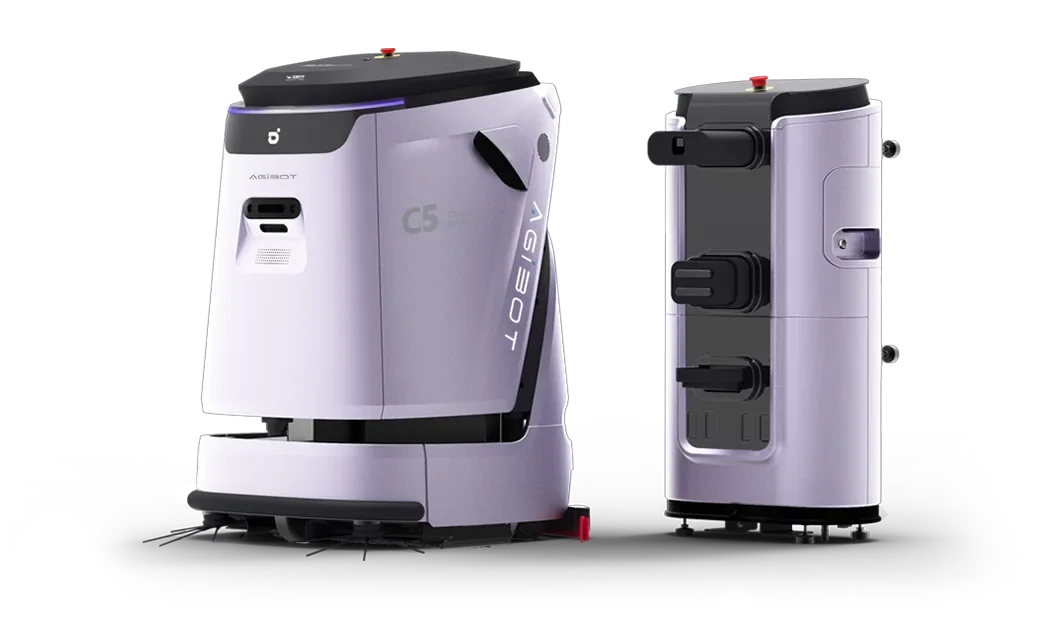
- Seeing a platform move through the actual space, near the actual bench or shelf, with the people who would work alongside it, answers questions a video demo or a spec sheet cannot: does it physically fit, does the layout need to change, does the task look as simple in person as it did on paper. That is a real, useful answer from one day.
- What it cannot settle is anything that needs repetition to prove.
- A single day does not establish a success rate, a cycle time under real variation, or how the task holds up on the thirteenth part instead of the third. Those need a proof of concept measured over days or weeks, not a single site visit, and treating a workshop's clean run as evidence of either is asking one day to answer a different, longer question.
- Engineering time beyond the day itself is billed at the same standing rate as everything else in this catalogue, 825 EUR per engineering day.
- A workshop that surfaces a real task worth pursuing usually leads to scoped engineering work next, priced the same way a proof of concept or a post-warranty support task is, which is worth knowing before the day is booked rather than after it ends with a recommendation to keep going.
- A workshop is a decision tool, not a sales demo, when it is used honestly.
- The useful outcome of a workshop is sometimes "this task is not a good fit," and that answer is worth exactly as much as a positive one: it is a day spent finding out before a much larger engineering budget would have found out the same thing later.
Book a workshop for the question it can actually answer, whether a task survives contact with the real floor, and treat anything about long-run reliability as a separate, longer piece of work it was never meant to settle.