
What a two-week proof of concept can settle, and what it cannot
A two-week proof of concept is short enough to fund on a hunch and long enough to answer a real question, provided the question asked of it is the one it can actually answer.
- What a short PoC settles well is whether the task is technically possible at all, on the actual parts, in the actual space.
- Can the platform reach the part, grip it reliably, place it within tolerance, and repeat that enough times in a row to call it a pattern rather than luck. That is a yes-or-no question a two-week window answers honestly, because it does not require the machine to run long enough to reveal anything about wear.
- What it cannot settle is anything that only shows up over months, and mean time between failures is the clearest example.
- MTBF is a statistic built from failures accumulating across a fleet over a service life, not from two weeks of one unit running in a controlled trial. A PoC that runs clean for its whole duration says nothing about reliability at six months, because six months of operation never happened inside it, and treating a clean short trial as evidence of long-run reliability is asking the test to answer a question outside its own timeframe.
- A standard configuration takes 12 to 16 weeks to deliver from a firm order, which is worth knowing before the PoC starts, not after it succeeds.
- A PoC that proves the task and then discovers the production unit is three months away has proven the wrong thing first; the lead time and the technical proof are two separate clocks, and running them in sequence rather than in parallel is the most common way a successful trial still delays a launch.

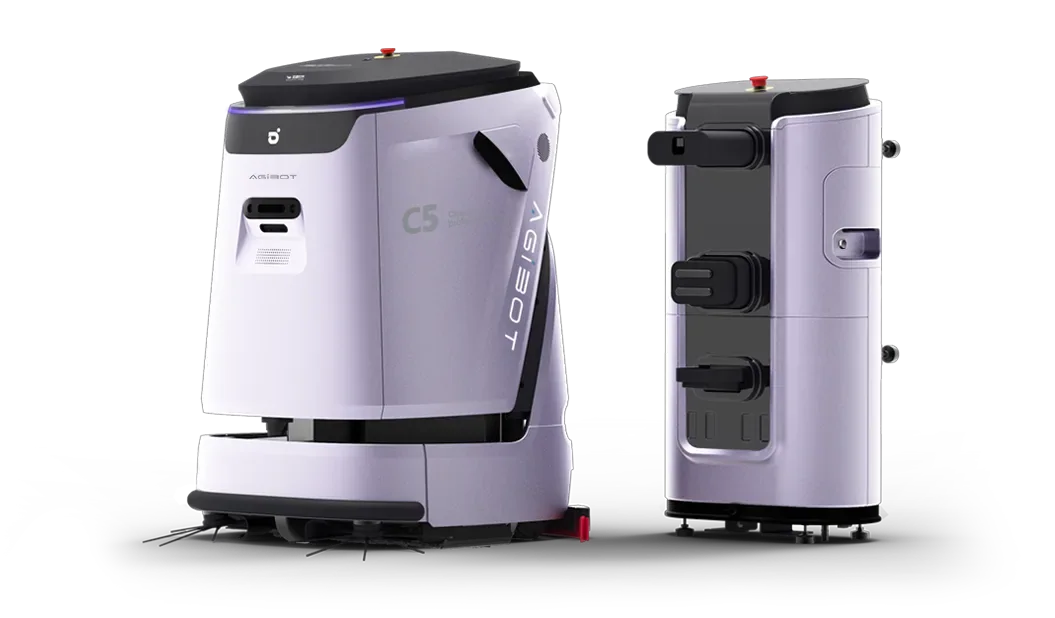
The A3 comes out of its shipping case and sits up: what arrives before the two-week clock starts, not what proves anything about the six months after.
- Engineering time on top of the PoC is billed at 825 EUR per day, and knowing that figure before the trial starts is what keeps a successful PoC from becoming an unplanned invoice.
- A PoC proving the task is possible does not include the engineering to make it repeatable in production, and the two are different amounts of work billed on different terms.
A short PoC is a real answer to a real question, not a smaller version of a longer one. Ask it what it can actually tell you, order the lead time in parallel rather than after, and it earns its two weeks.