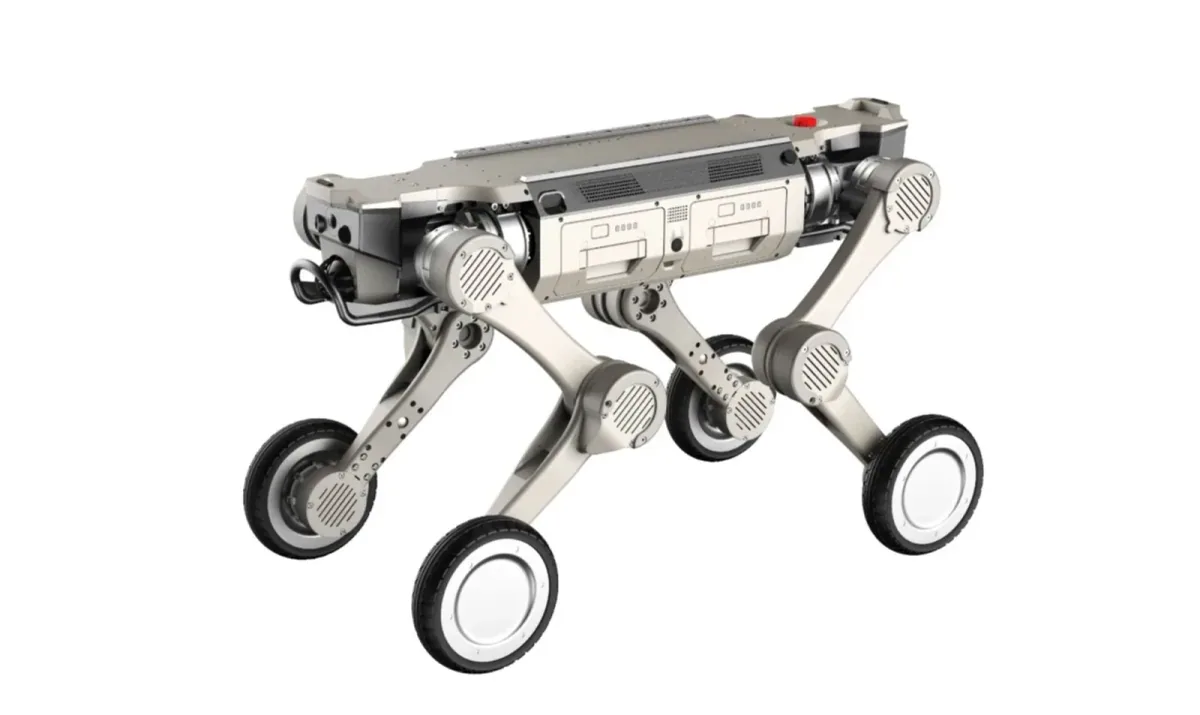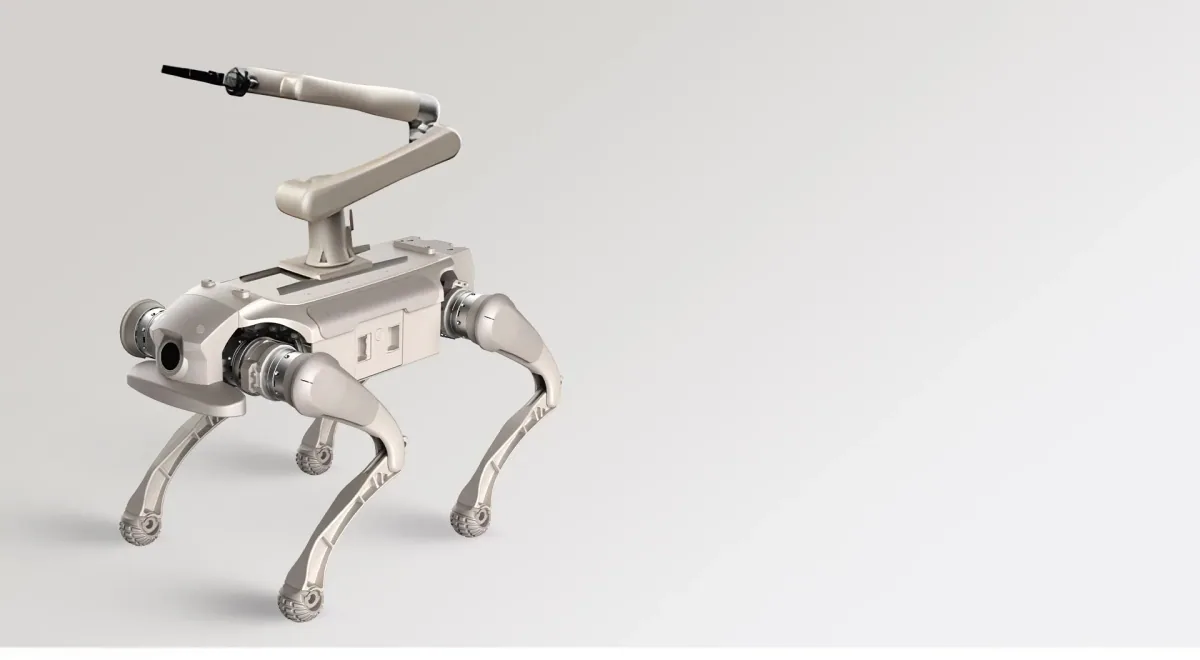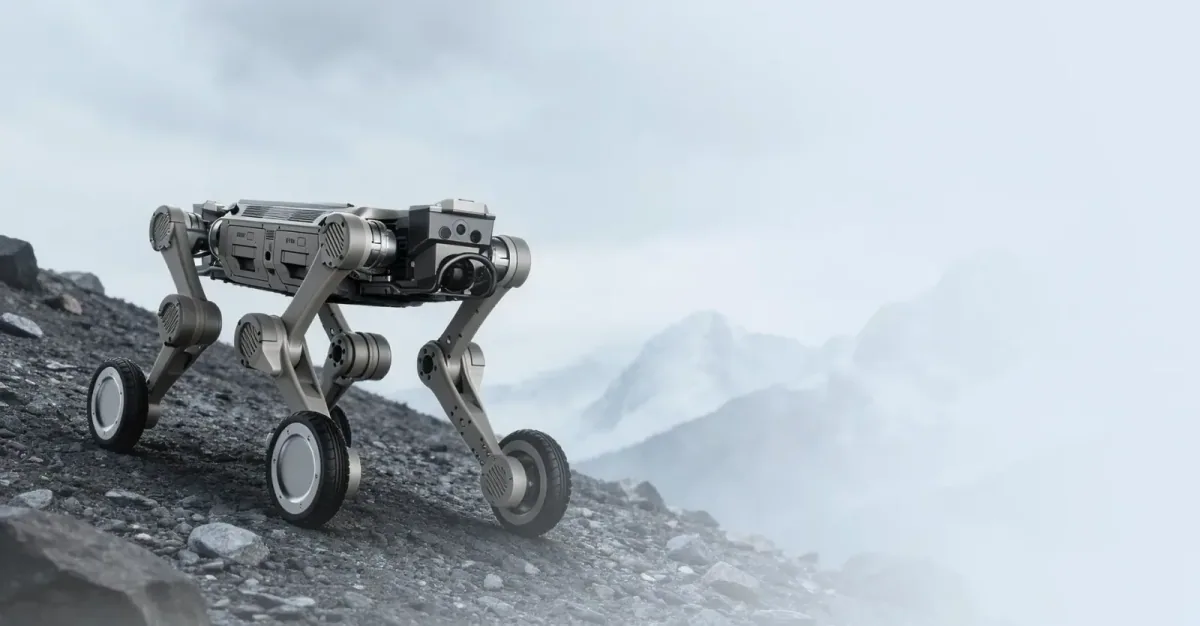
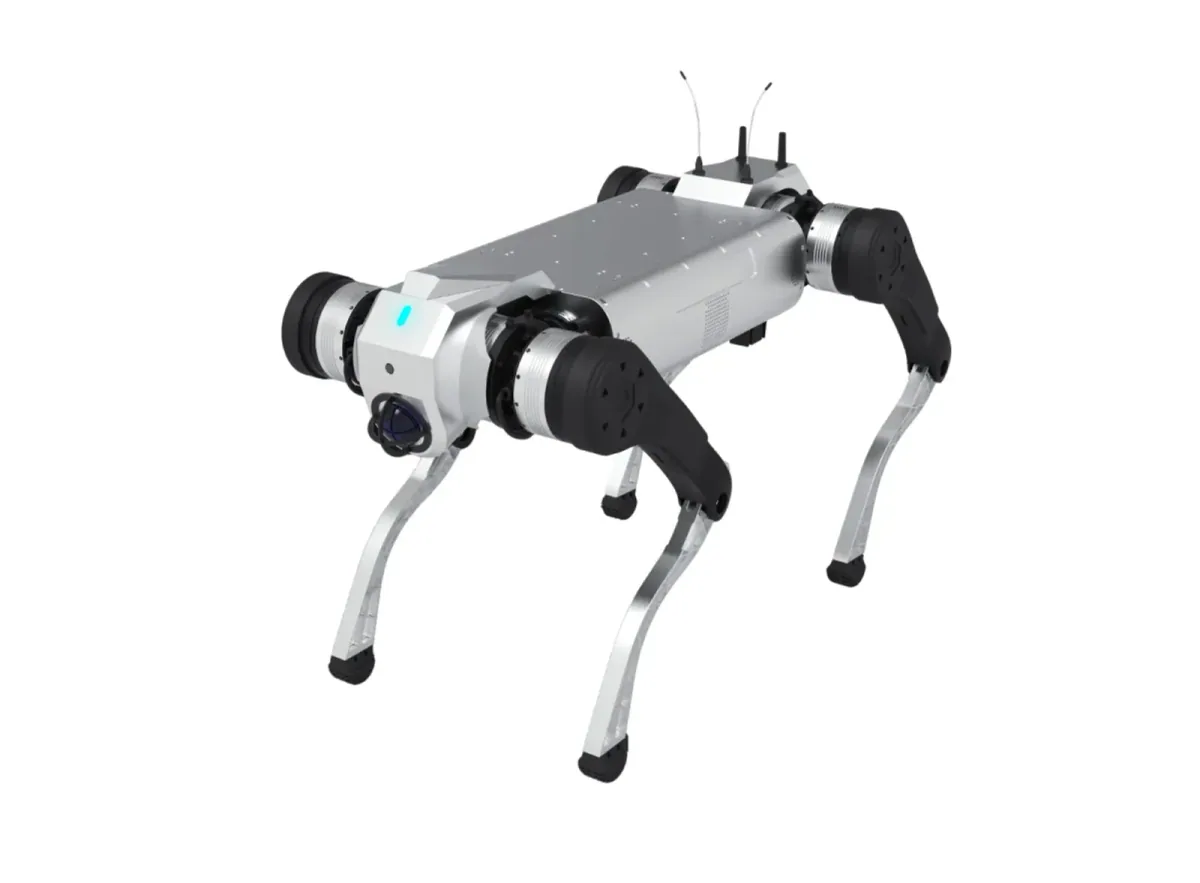
The D1 MaxPro is a different payload class, not a bigger version of the same robot
Quadruped payload figures get compared as if they sit on one scale. They do not. A machine rated to carry a few kilograms of sensors is answering a different question than one rated to carry a crate, and the D1 MaxPro sits on the far side of that line.
- One number, and what it is for.
- AGIBOT rates the D1 MaxPro for a 50 kg payload, and its own product page calls that a sustained load. The D1 MaxPro user manual quotes one higher figure and calls it a standing load; the SDK guide gives the same figure as an instantaneous load. So 50 kg, which the manual gives as a continuous load on flat terrain, is what the platform is designed to carry through a full working cycle, and neither document rates it to carry more than that continuously. A buyer who specs a route above that figure is asking the machine to work outside anything the manufacturer states, and a route designed at 50 kg every cycle is already using the whole rating.
- What a payload class actually changes.
- A robot rated to carry a sensor pod and one rated to carry 50 kg stable are not the same tool wearing a different label. Below that threshold, the job is inspection: walk a route, watch, report, and payload is whatever the sensors weigh. Above it, the job becomes transport: the robot is now a load-bearing part of a material flow, not an observer of one. That is a different integration, a different risk assessment, and a different question to ask a supplier. If your task is carrying rather than watching, a platform's inspection credentials tell you nothing about whether it will hold a load through the step height it publishes.
- The step height is the payload spec, not a separate one.
- A 30 cm continuous step height sounds like a mobility figure until you ask what happens to it under 50 kg. Clearing a step, a kerb or a loading dock lip is a mechanical event, not a walking one, and it is the load-bearing joints that take that event, not the sensor mounts. Any platform can publish a step height with nothing on its back. The number that matters for a transport job is whether that step height is rated with the working load already on it, and the D1 MaxPro manual answers it: the 50 kg is a flat-terrain load, excluding stair climbing, rubble and steep ladders.
- Where the catalogue is silent, and why that is worth naming.
- AGIBOT publishes two points for the D1 MaxPro, 5.5 h with no load and 2 h or more under a 50 kg load, and nothing between them: no payload-derated runtime curve that would tell you how battery life changes as the load rises from nothing to 50 kg. Manufacturers publish payload and they publish runtime, and buyers assume the two combine linearly. They rarely do on a legged platform, where carrying a load changes gait and joint loading in ways that are not proportional. Until that curve is published, the honest position is that nobody outside the manufacturer's own test floor knows the real number, and a proof of concept on your own route is the only way to get one.
- The job this class should be doing.
- A platform in this payload bracket is suited to fixed-route material transport between stations, carrying tote-scale loads on flat ground, and to inspection tasks that also need to carry test equipment rather than just a camera. It is not suited to being specified like an inspection-class quadruped with a bigger number attached, because the structure, the joint loading and the integration question are all different once the payload is real weight rather than a sensor pod.
If your route involves carrying rather than watching, the rated 50 kg is the figure to design around, and any stairs or rubble on the route are the question worth putting to us before anything else is specified.