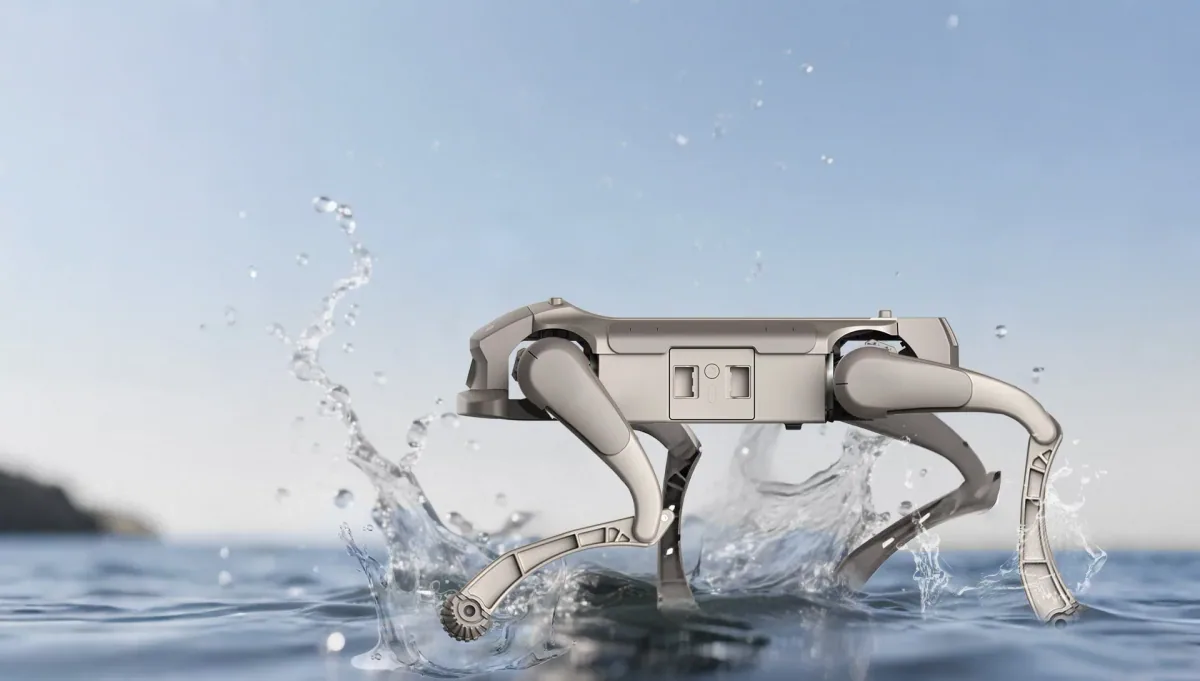
Robot dog: a toy or a working machine?
A robot dog is either a toy or a working machine, and the listing tells you which. A working robot dog publishes six things a business can check: what it carries, how well it is sealed, how long it runs, whether you can program it, what it senses, and who repairs it. If a listing cannot answer those, it is a toy, however much it costs.
| Check | D1 Pro | D1 Ultra | D1 Max |
|---|---|---|---|
| Payload | 5 kg | 5 kg | 25 kg |
| Sealing | No IP rating published | IP54 | IP67 |
| Runtime per charge | 1–2 h | 1–2 h | about 5 h unloaded |
| SDK | Not supported | Supported | Supported |
| Sensors | Camera, IMU | Camera, IMU | Two LiDAR units, GNSS-RTK, ultrasonic, two cameras |
All figures are AGIBOT's own, from its store, its spec tables and its D1 Max parameter sheet.
Why is a search for "robot dog" full of toys?
Because that is most of what gets sold under the name. In every market this site serves, people type their own word for "robot dog" rather than any technical term, and the results fill with toys: pet robots such as Loona, kit-built dogs such as Petoi's, and toy-shop and marketplace listings. Nothing is wrong with them. They answer a question about play, and a facilities manager, a security firm or a university lab is asking a different one.
Is the cheapest AGIBOT D1 a toy?
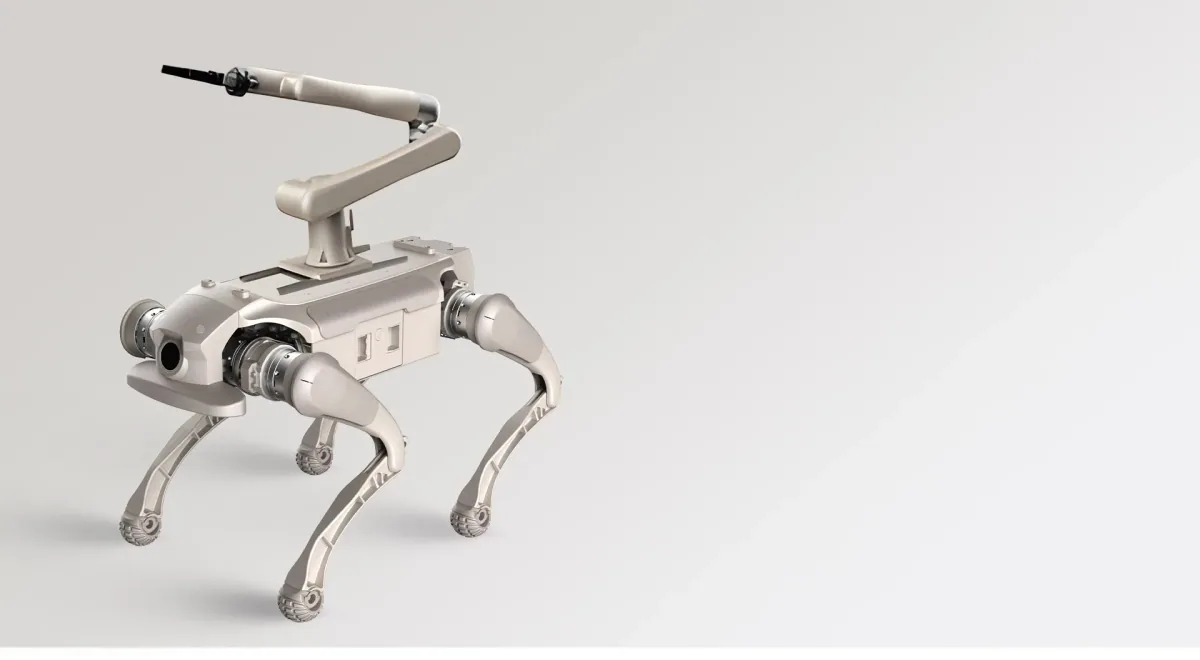
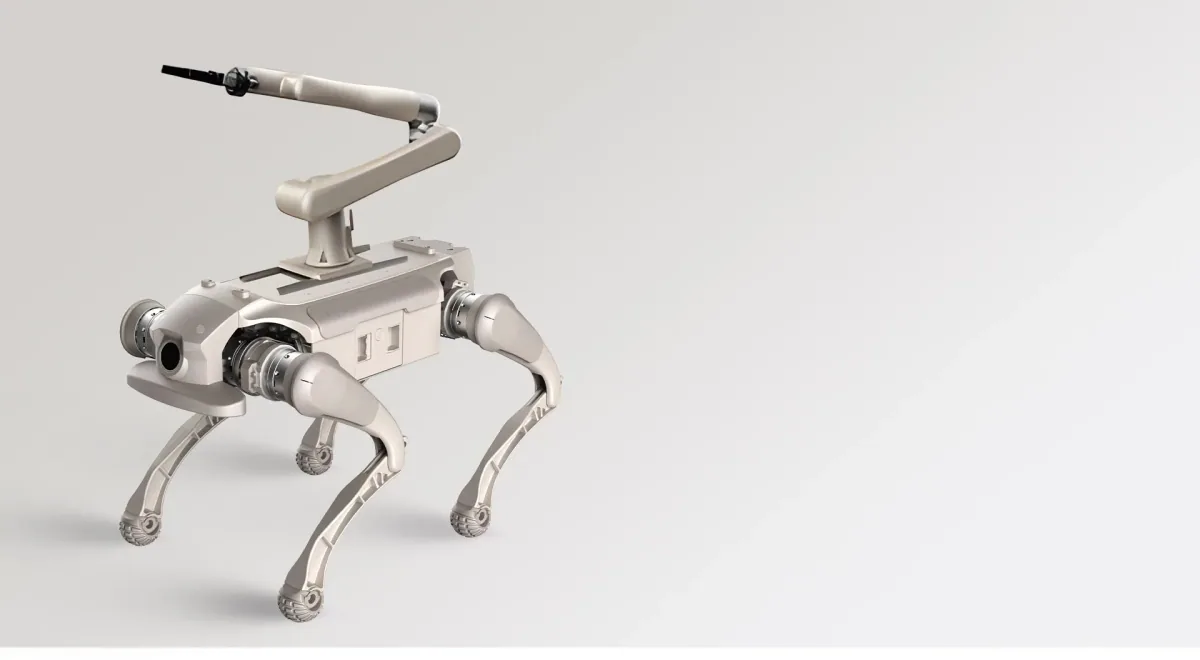
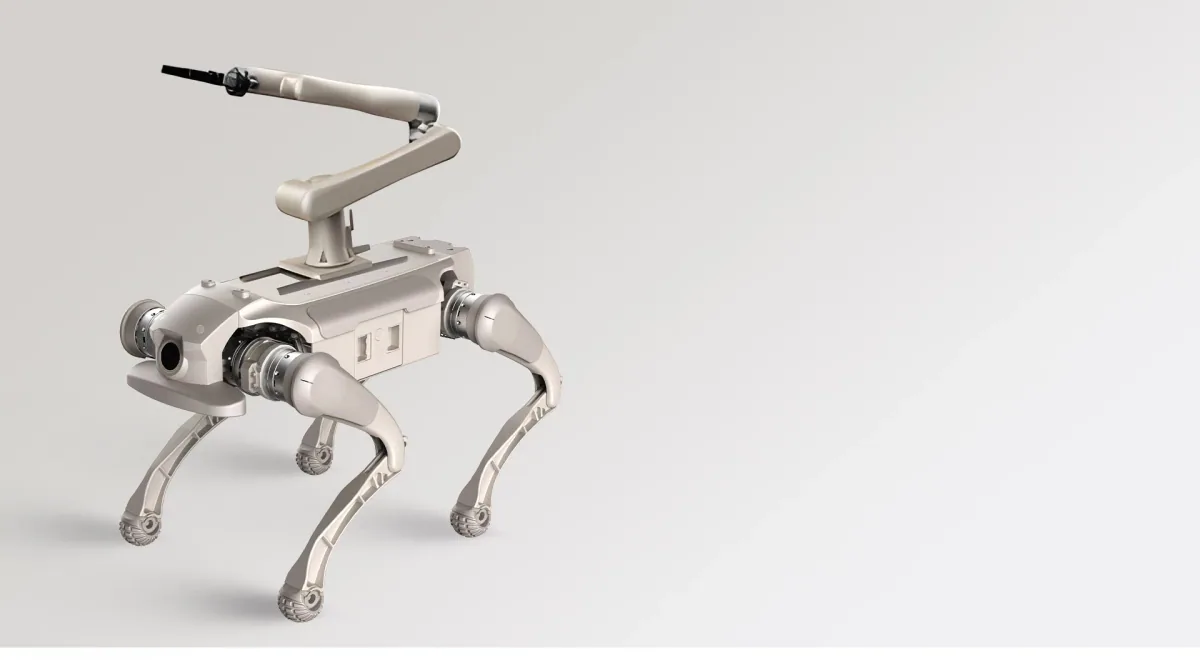
Not a toy, but it sits closest to the line, and it is worth being honest about that. AGIBOT sells the D1 Pro for performances, research and teaching. It has real motors and reaches 3.5 m/s, but it publishes no IP rating, lists secondary development as not supported and has no expansion ports. The line between toy and working machine runs through the D1 range rather than around it. The D1 Edu is the same body with the SDK and ports added. The D1 Ultra adds IP54 sealing, and AGIBOT names security patrol among its uses. The D1 Max is the model built as a platform for jobs: sealed to IP67, carrying 25 kg, running about 5 hours unloaded.
What turns a robot dog into a working machine?
Each row of the table is a question a job asks. Payload decides whether the robot can carry a thermal camera, a gas sensor or a small arm as well as itself. Sealing decides whether it can go out in rain, dust or standing water. Runtime decides whether one charge covers the round. The SDK decides whether your own software can send it on a route and read what it sees, or whether it only walks where a person steers it. Sensors decide whether it can map and place itself without a person steering, and two LiDAR units plus satellite positioning are what let the D1 Max do that outdoors.
An SDK also needs a licence you can build on. AGIBOT's D1 Edu-Ultra resources are BSD-3-Clause, which allows commercial use. The D1 Max SDK repository ships with no licence file, so ask before committing engineering time to it.
Who fixes a robot dog when it stops?
For a toy, the shop. For a machine a business depends on, this is the row that matters most after purchase. AGIBOT's own store FAQ says a direct purchase comes with a hardware warranty only and that technical issues must be resolved by the user. Robotoplus supplies the D1 range with commissioning, an operator briefing and a 12-month warranty handled inside the EU, and a named engineer answers the same working day.
If you are not sure which side of the line your job sits on, rent before you buy. The D1 Ultra and D1 Max rent on request, so the robot can walk your own route for a week. Ask us for a rental quote, or for a delivered price on the D1 model that fits the job.