EU Machinery Regulation 2027 and AI Act 2028 for robots
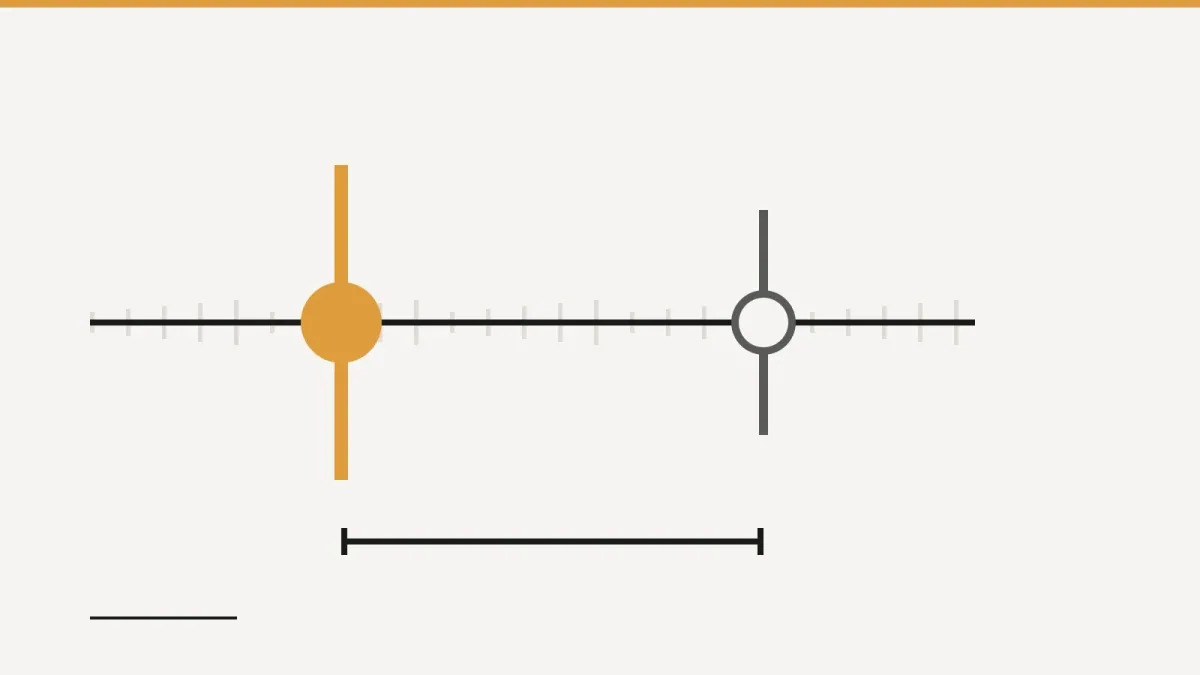
Two European dates matter to anyone buying an industrial or service robot, they sit roughly eighteen months apart, and in conversation they collapse into a single deadline that is neither of them. One of the two moved recently. The other did not, and the one that did not is the one almost every buyer meets first.
- 20 January 2027 is the Machinery Regulation, and it did not move.
- Regulation (EU) 2023/1230 replaces Directive 2006/42/EC and applies from that date, with no transition period for placing non-compliant machinery on the EU market afterwards. What attaches on that date attaches to the machine: its design, its risk assessment, its technical file and the instructions that ship with it. The practical consequence is a discontinuity rather than a ramp. A machine placed on the market in December 2026 and the same machine placed on the market in February 2027 are being placed under two different instruments, and the second one has no grace period behind it.
- 2 August 2028 is the AI Act, and it is the date that moved.
- The European Commission's own summary of the AI Act's timeline states that the rules for high-risk AI systems embedded into regulated products listed in the Act's Annex I have an extended transition period until 2 August 2028, and attributes the extension to the political agreement on the proposal to simplify the AI Act, known as the AI Omnibus. The original date was 2 August 2027. Machinery is one of those Annex I product classes, so an AI system acting as a safety component of a robot now sits against the later date. Worth naming the absence here: secondary sources give the Omnibus an Official Journal number and publication dates, the Commission page carries neither, and no primary text has been read for this site, so none of those are quoted in this post.
- They are two different obligations, and they do not stack the way people assume.
- The Machinery Regulation is about the machine as a product. The AI Act's high-risk regime is about a specific AI system inside a regulated product, and it engages where that system performs a safety function or where the product already has to go through third-party conformity assessment. A robot whose AI does perception and task planning but sits behind an independent safety layer is a different case from one where the model is the safety layer. This site has read the Commission's public summary and the Regulation's application date, not the legal texts in full, so where a specific machine falls is a question for the supplier's documentation and your own advisers rather than something to settle from a blog post.
- Which one you meet first, and what to do about it in the next few months.
- January 2027 arrives first for almost every buyer, and the lead time is what makes it real. A purchase order runs 12 to 16 weeks before the machine exists in your building, so an order placed in late 2026 is delivered on the other side of that date. Two questions settle it in writing: which instrument is the machine being placed on the market under, and what is the date of placing on the market, which is not the same as the delivery date and is the date the obligation attaches to. Ask both before the order, not after. If the answer to the first is the older Directive and delivery is after January 2027, that is a conversation to have while it is still cheap.
Neither date is a reason to delay a project and neither is a reason to rush one. They are two published dates with different subjects, and the useful move is to know which of the two your machine actually meets, in writing, from the party placing it on the market. Who that party is, and what the role carries, is a separate question with its own answer on this site.