Inspection robot dog: D1 EDU vs D1 MaxPro compared
An inspection round is walked at whatever pace lets the sensors do their job, so the number on a spec sheet that looks like it should decide a purchase, top speed, is usually the least useful one on it.
- Range decides how much ground one charge actually covers.
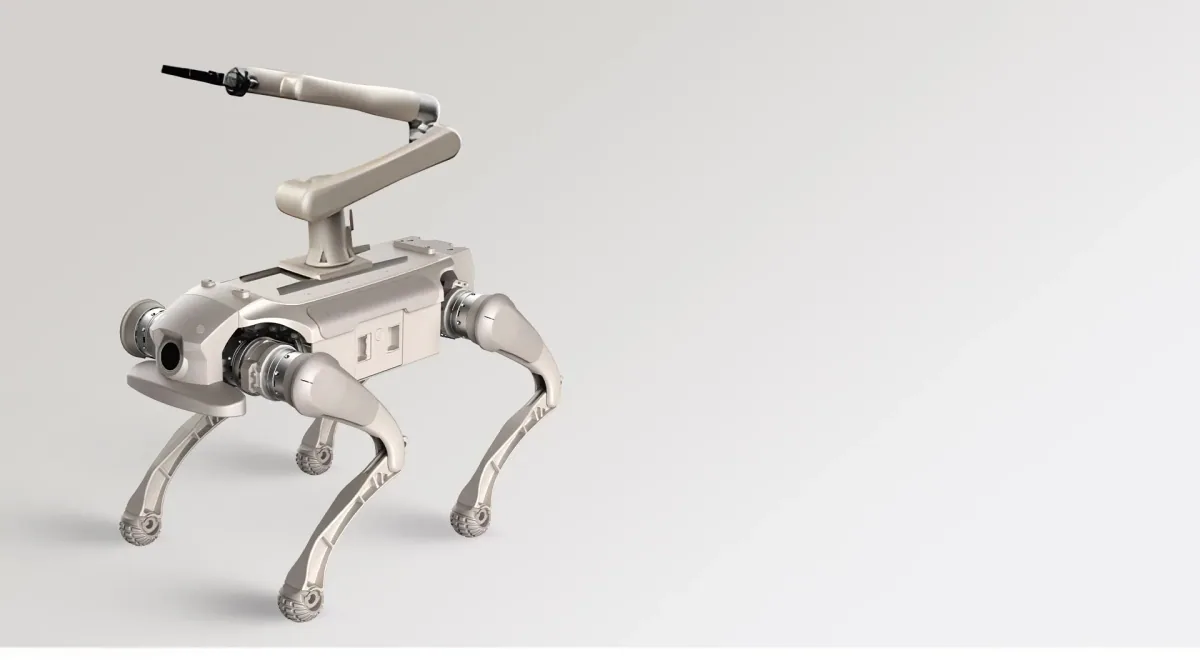
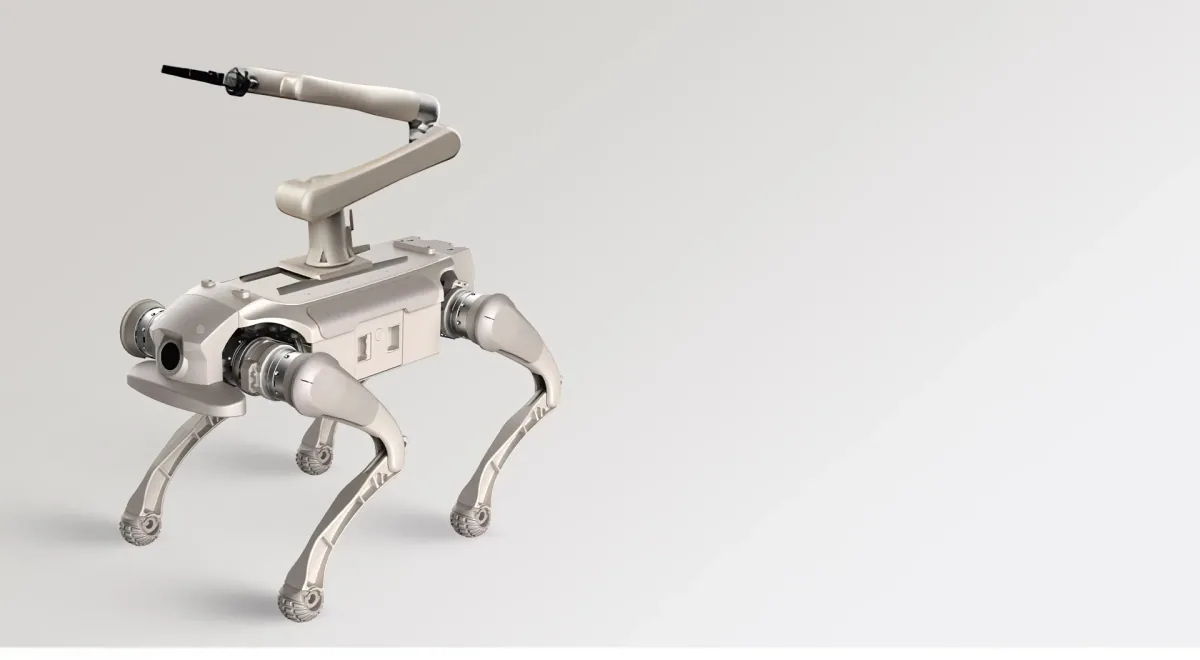
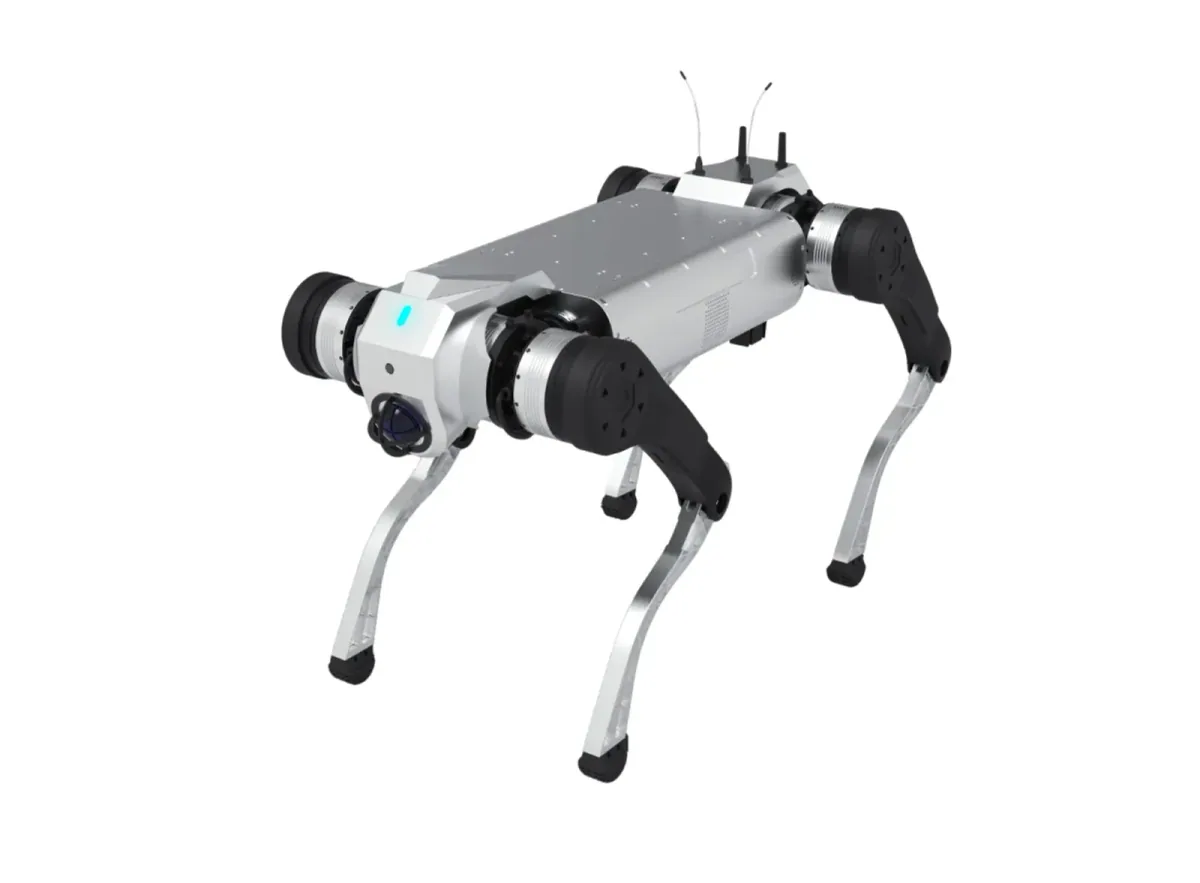
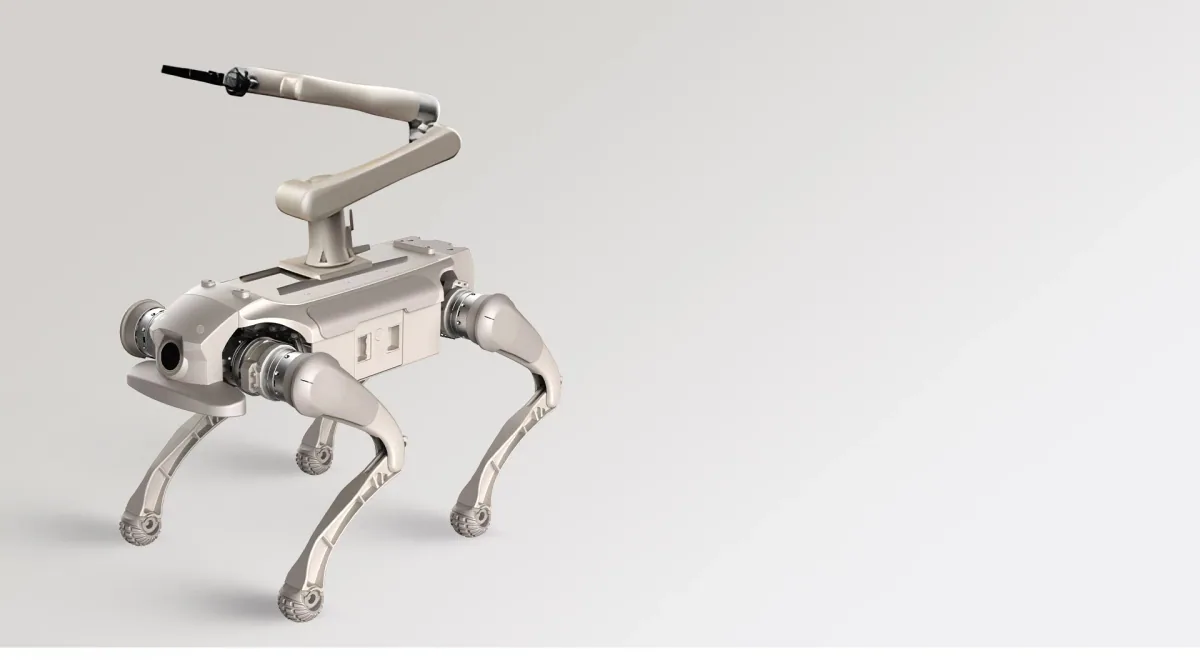
- The D1 EDU covers 6 km ± 1 km on a charge; the D1 MaxPro, a heavier-duty platform rated for a 50 kg payload, covers 21 ± 1 km unloaded and 11 ± 1 km fully loaded. A route walked twice a shift either fits inside one of those numbers with margin, or it needs the other platform, and that arithmetic is worth doing against the actual route length before anything else is compared.
- Payload decides what the round can actually carry.
- The D1 EDU is rated for 5 kg of effective payload, which covers a camera, a gas sensor or a small sensor pod comfortably and not much more. Add a second sensor, a longer-range radio or a sampling arm and the number to check is not the platform's top speed, it is whether 5 kg still covers what the round is meant to carry.
- Top speed is the number worth reading past.
- The D1 EDU is rated for a 3.5 m/s top speed, and nothing on its sheet distinguishes that from a sustained walking pace. The D1 MaxPro publishes both figures separately: a sustained walking speed of up to 1.2 m/s and a maximum of 3 m/s, with a footnote that delivered units are capped at 2 m/s in software. The gap between them is the more honest number for planning a round, because a route is walked at the sustained figure, not the peak one. A platform that only publishes a maximum leaves that distinction for the buyer to assume rather than read.
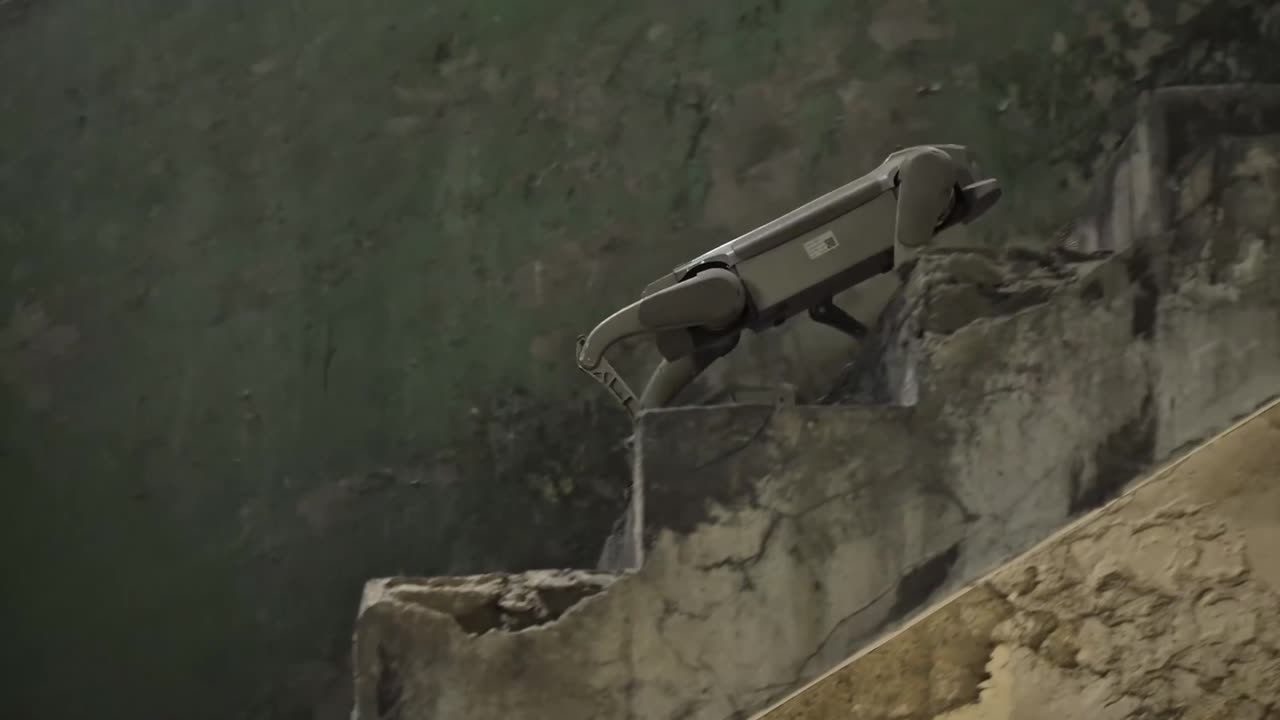
A D1 Ultra climbs and descends a flight of stairs: the kind of route step an inspection round can include, and one of the two facts on the spec sheet worth checking before top speed.
None of this replaces walking the actual route with a stopwatch. What it does is narrow the choice to the two questions that decide it before a platform is picked: does the round fit inside the range with margin, and does the payload still cover the sensor load once everything the round actually needs is added up.